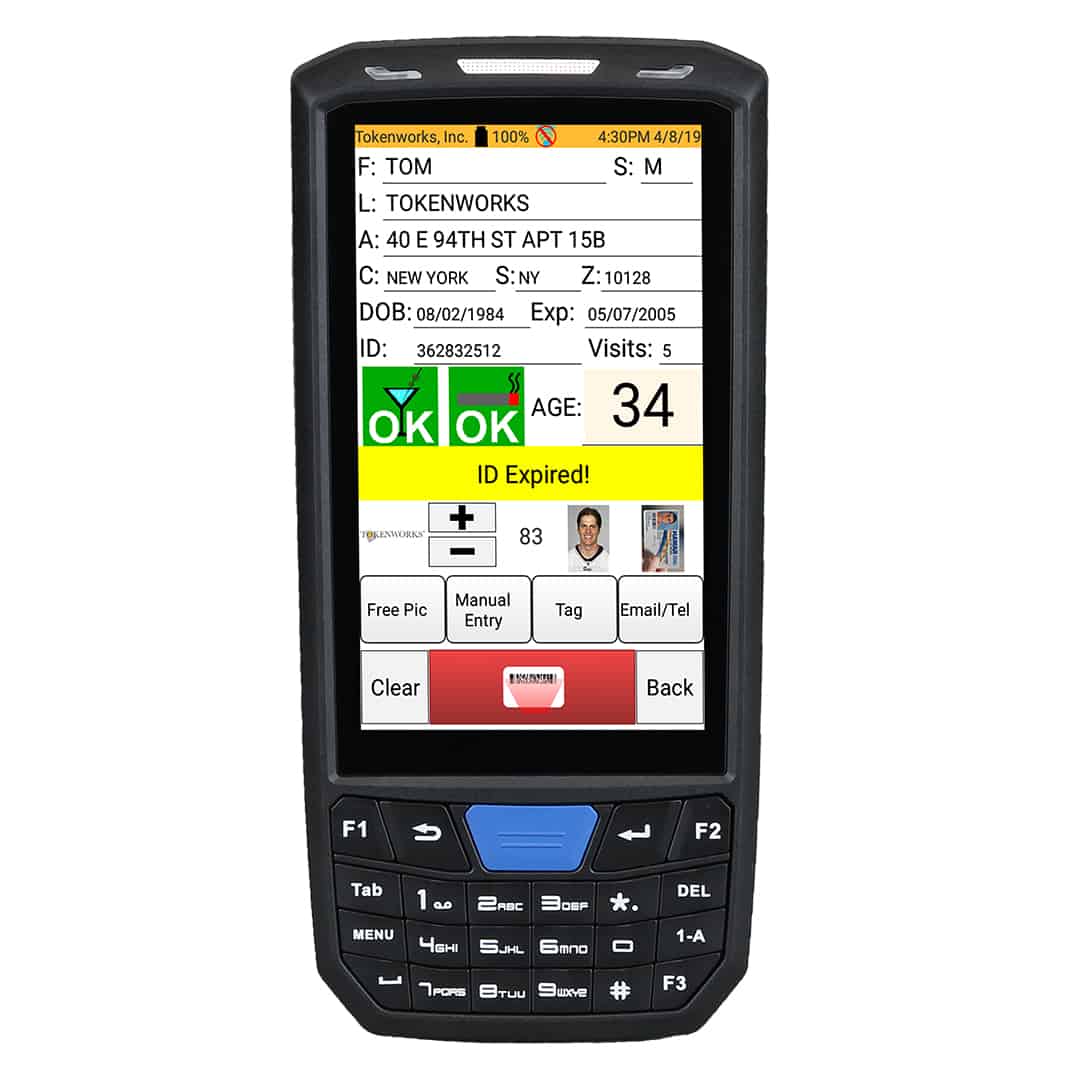
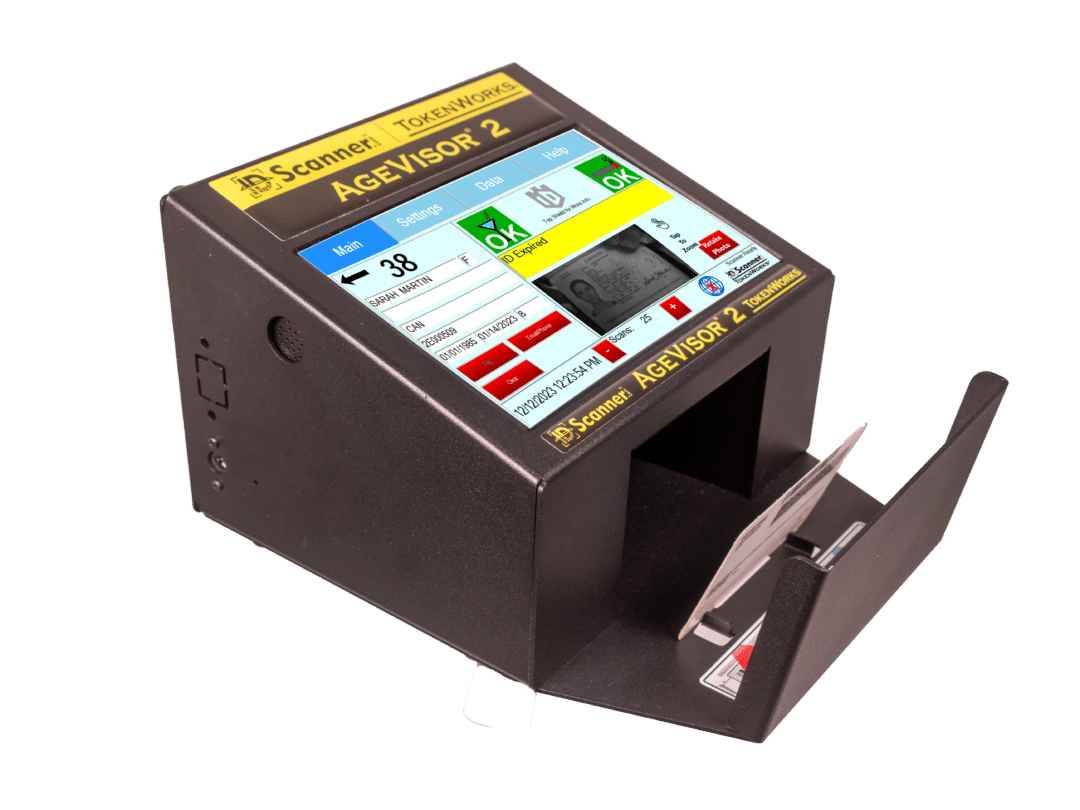
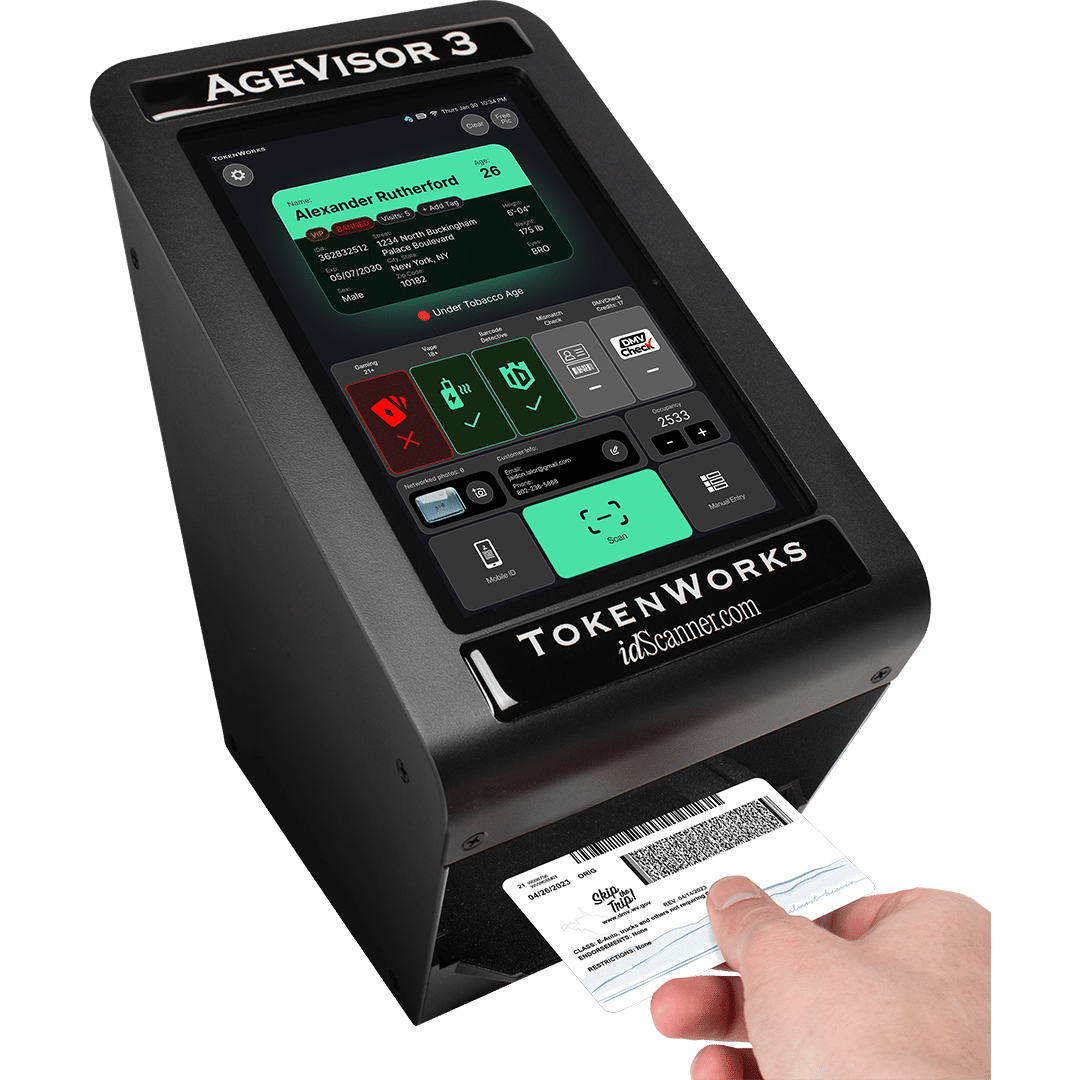
Washington gives liquor licensees one of the strongest seller protections in the country, but it is built on paper, not technology: a licensee who checks a customer’s ID and has the customer sign a certification card cannot be prosecuted criminally or sued over that sale (RCW 66.20.210). In 2026, Washington also added its first electronic scanning mandate. Since June 11, 2026, movie theaters that hold a spirits, beer, and wine theater license and admit minors must use electronic ID scanners at every alcohol point of sale and check ID for every alcohol purchase, regardless of the customer’s age (ESHB 2476; WAC 314-02-087). Tobacco retailers face penalties of up to $10,000 per violation, and cannabis stores are restricted to customers 21 and older with valid, unexpired ID.
Washington makes it a gross misdemeanor to sell, give, or otherwise supply liquor to anyone under 21, or to allow anyone under 21 to drink on premises you control (RCW 66.44.270(1)).
For sales by a licensed business or its employees, the Liquor and Cannabis Board (LCB) may instead impose a civil penalty: $200 for a first violation, $400 for a second within three years, and $500 for a third or later within three years. When the Board takes that route, no criminal citation may be issued for the same violation, though intentional sales and knowing furnishing can still be prosecuted (RCW 66.44.270(2)).
Any business licensed to sell alcohol in Washington, including bars, nightclubs, restaurants, hotels, liquor stores, grocery stores, convenience stores, movie theaters, and event venues.
Every alcohol server at an on-premises licensee must obtain a Mandatory Alcohol Server Training (MAST) permit within 60 days of hire. Employees 18 to 20 may take orders for, serve, and sell alcohol at certain licensed businesses, but not in lounges or bars, and they may not work as bartenders.
Lending your ID to someone to buy alcohol, or using someone else’s ID, is a misdemeanor with a minimum fine of $250.
The LCB designates certain licensed premises, or parts of them, as off-limits to anyone under 21, such as bars and lounges. It is a misdemeanor to serve or allow a person under 21 to remain in an off-limits area. It is also a misdemeanor for a minor to enter or remain in one, or to falsely claim to be 21 or older to buy liquor or get in.
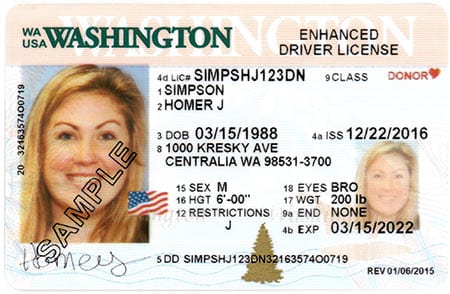
Washington’s acceptable ID rule was updated effective November 8, 2025. To be accepted for alcohol, an ID must be unexpired and show the customer’s photo, date of birth, and signature (federal IDs do not need a visible signature). Acceptable IDs are:
Expired IDs are not acceptable. If an ID has an expiration date, it cannot be used to verify age after that date. Global Entry cards and Permanent Resident cards were added in the 2025 update.
Washington does not offer a scanner-based affirmative defense like the states in our affirmative defense guide. Instead, it uses the term immunity, which is stronger than a defense: a licensee who qualifies cannot be prosecuted or sued at all.
A licensee may accept a card of identification as evidence of legal age, and a customer must show it when a licensee or officer asks (RCW 66.20.170, 66.20.180). If the licensee still has doubts about the customer’s age, the customer must sign a certification card, a 5-by-8-inch card on which the licensee also records a description of the ID and its serial number. Certification cards must be filed alphabetically by the close of business and kept open to inspection (RCW 66.20.190).
An ID scanner does not replace the certification card, but it helps you decide when to use one. A scan confirms the ID’s data reads correctly, flags an expired ID, and shows whether the date of birth is 21 or older, which helps staff identify the customers whose age is in doubt.
Senate Bill 6179 (2024) would have let liquor licensees use optional, consent-based biometric age verification systems and allowed the LCB to treat their use as a mitigating circumstance. It was not enacted. It received a House committee hearing in February 2024 but did not pass before the 2023-24 session ended, and we are not aware of a later version becoming law.
Washington’s spirits, beer, and wine theater license (RCW 66.24.655) allows movie theaters to serve alcohol. When the theater will be frequented by minors, it must operate under an LCB-approved alcohol control plan. ESHB 2476, effective June 11, 2026, raised the license’s seating limit from 120 to 200 seats per screen and added two requirements to that control plan:
The LCB’s updated rule (WAC 314-02-087, effective July 1, 2026) carries these requirements forward, removes the old practice of carding only patrons who appear 30 or younger, and requires lighting at the point of sale bright enough to confirm the ID.
These changes apply to the spirits, beer, and wine theater license only. Theaters with a beer and wine theater license (RCW 66.24.650; WAC 314-02-082) were not covered by ESHB 2476.
We are not aware of a Washington statute that limits what a business may record from an ID scan for age verification or how long it may keep the data. That does not mean scan data is unregulated.
The practical approach is to keep only what you need, secure it, and decide in advance how long you will retain it.
Whether you run a bar, restaurant, hotel, liquor store, grocery store, convenience store, movie theater, or event venue, Washington rewards a documented ID check.
The certification card is what turns an ID check into immunity from prosecution and civil suits. Keep cards stocked at every register and train staff on when to use them.
Washington does not accept expired IDs for alcohol or cannabis, even when the date of birth is clearly 21 or older.
If you hold a spirits, beer, and wine theater license and admit minors, electronic ID scanners at every alcohol point of sale and an ID check for every purchase are now part of your required alcohol control plan.
A first sale to a minor typically means a 5-day license suspension or a $500 monetary option, and a fourth within two years means cancellation (WAC 314-29-020).
Washington prohibits selling or giving cigars, cigarettes, cigarette papers or wrappers, tobacco in any form, alternative nicotine products, or vapor products to anyone under 21. A violation is a gross misdemeanor. Washington raised the age from 18 to 21 effective January 1, 2020, matching the federal Tobacco 21 minimum.
Where there may be a question about a customer’s age, the retailer must require ID showing the customer’s age, signature, and photograph. Acceptable IDs for tobacco are:
Washington’s vapor product law has a parallel ID requirement (RCW 70.345.120). Federal regulations also require retailers to check photo ID for any customer under 30.
It is a defense to a prosecution under RCW 26.28.080 that the seller reasonably relied on one of these IDs (RCW 70.155.090(2)). The LCB must also waive a license suspension or revocation if the licensee clearly establishes that it acted in good faith and with due diligence.
Since July 23, 2023, tobacco retailers face steeper penalties for sales to anyone under 21 within any three-year period:
Vapor product retailers face a similar escalating schedule of penalties, suspensions, and revocation under RCW 70.345.180 and LCB rules.
Businesses that sell vapor products for delivery to Washington consumers must hold a delivery sale license and, before accepting an order:
Order forms and shipping documents must state that sales to anyone under 21 are prohibited. A knowing violation is a class C felony.
Licensed cannabis retailers may not sell to, employ, or allow on the premises anyone under 21 (RCW 69.50.357(2); WAC 314-55-079). The one exception: qualifying patients 18 to 20 who hold a medical cannabis recognition card may enter and buy at a retailer with a medical cannabis endorsement. Retail staff must be trained on identifying persons under 21.
The ID must be unexpired.
Since July 23, 2023, any product containing THC that is intended for human consumption, including hemp-derived THC products, is treated as a cannabis product and may be made or sold only under an LCB or Pharmacy Commission license (E2SSB 5367). In practice, that limits these products to licensed outlets with the same 21-and-over rules.
Businesses that rent vehicles may rent only to properly licensed drivers. Before renting, the business must inspect the renter’s driver’s license and compare the signature on it with one the renter writes in its presence. The business must keep a record of the vehicle’s license plate number, the renter’s name and address, and the driver’s license number, place of issue, and date of issue, open to inspection by law enforcement.
Washington’s protections depend on a documented ID check, and theaters are now required to scan. ID scanners help you:
With tobacco retailer penalties reaching $10,000 per violation, the cost of a scanner is small compared with the cost of a single failed compliance check.
Only for movie theaters that hold a spirits, beer, and wine theater license and admit minors. Since June 11, 2026, those theaters must use electronic ID scanners at every alcohol point of sale and check ID for every purchase (ESHB 2476; WAC 314-02-087). Other alcohol, tobacco, and cannabis retailers, including beer and wine theater licensees, are not required to scan.
Washington goes further and uses the term immunity. A licensee or employee who checked a customer’s ID and had the customer sign a certification card cannot be prosecuted criminally or sued over the sale (RCW 66.20.210). In LCB proceedings, the certification card may be offered as a defense and as evidence of good faith.
An unexpired driver’s license, instruction permit, or ID card from any U.S. state, territory, D.C., or Canadian province; a Washington identicard; a U.S. armed forces ID; a passport, passport card, NEXUS card, Global Entry card, or Permanent Resident card; a Merchant Marine card; or an LCB-approved tribal enrollment card (WAC 314-11-025).
No. For alcohol, an ID with an expiration date cannot be used to verify age after it expires (WAC 314-11-025(2)). Cannabis retailers also must reject expired IDs.
Washington’s acceptable ID rule (WAC 314-11-025) does not list mobile or digital IDs. Until the LCB says otherwise, ask for a physical ID.
Yes. It is a defense to a prosecution for selling to someone under 21 that the seller reasonably relied on an acceptable ID, and the LCB must waive a license suspension or revocation if the licensee shows good faith and due diligence (RCW 70.155.090).
Cannabis retailers may not employ anyone under 21. For alcohol, employees 18 to 20 may serve and sell at certain licensed businesses outside of lounges and bars, but may not bartend (RCW 66.44.350).
No. SB 6179 (2024) would have allowed optional biometric age verification for liquor licensees, but it was not enacted.
We are not aware of a Washington statute that limits what alcohol, tobacco, or cannabis retailers may record from an ID scan. General laws still apply: a stored name with a driver’s license number triggers breach notification duties (RCW 19.255.010), and biometric features may bring in the state’s biometric and health data laws.
Furnishing Liquor to Minors (RCW 66.44.270)
Makes selling or supplying liquor to anyone under 21 a gross misdemeanor and lets the LCB issue civil penalties to licensees and employees instead.
Status: Active
Amended: 2024
Minors in Off-Limits Areas (RCW 66.44.310)
Makes it a misdemeanor to serve or allow anyone under 21 in an area the LCB has designated off-limits to minors.
Status: Active
Amended: 2007
Acceptable Forms of ID for Alcohol (WAC 314-11-025)
Lists the IDs that may be accepted for alcohol, requires a photo, date of birth, and signature, and prohibits accepting expired IDs.
Status: Active
Amended: 2025 (effective November 8, 2025)
Certification Card Immunity (RCW 66.20.190, 66.20.210)
Protects licensees and employees from criminal prosecution and civil suits when the customer presented ID and signed a certification card, and allows the card as evidence of good faith in LCB proceedings.
Status: Active
Amended: 2016
Movie Theater ID Scanning (RCW 66.24.655; WAC 314-02-087)
Requires theaters with a spirits, beer, and wine theater license that admit minors to use electronic ID scanners at all alcohol points of sale and check ID for every alcohol purchase.
Status: Active
Effective: June 11, 2026
Sale of Tobacco and Vapor Products to Persons Under 21 (RCW 26.28.080; RCW 70.155.090)
Prohibits selling tobacco, alternative nicotine, and vapor products to anyone under 21, requires ID when age is in question, and provides a defense for reasonable reliance on acceptable ID.
Status: Active
Effective: January 1, 2020
Amended: 2026
Cannabis Retail Age Verification (RCW 69.50.357; WAC 314-55-150)
Restricts cannabis retail outlets to customers 21 and older, with an exception for qualifying medical patients 18 to 20 at endorsed stores, and lists the acceptable forms of unexpired ID.
Status: Active
Amended: 2025
Vehicle Rental Records (RCW 46.20.220)
Requires vehicle rental businesses to inspect the renter’s driver’s license, compare signatures, and keep a record of the license information open to law enforcement.
Status: Active
Amended: 2010
Important Notes: Washington does not require electronic ID scanning except at movie theaters with a spirits, beer, and wine theater license that admit minors, which since June 11, 2026 must scan IDs at every alcohol point of sale and check ID for every purchase. For other alcohol licensees, the strongest protection is the certification card: a customer who presented ID and signed one gives the licensee immunity from criminal prosecution and civil suits over the sale. Expired IDs are not accepted for alcohol or cannabis, tobacco sellers have a defense for reasonable reliance on acceptable ID, and cannabis retailers are limited to customers 21 and older except qualifying medical patients at endorsed stores.
IDscanner.com by TokenWorks is not a legal organization, nor should anything on this page constitute legal guidance. It is meant to be a list of resources and helpful links. Please consult your attorney before making any decisions related to scanning IDs in your state.