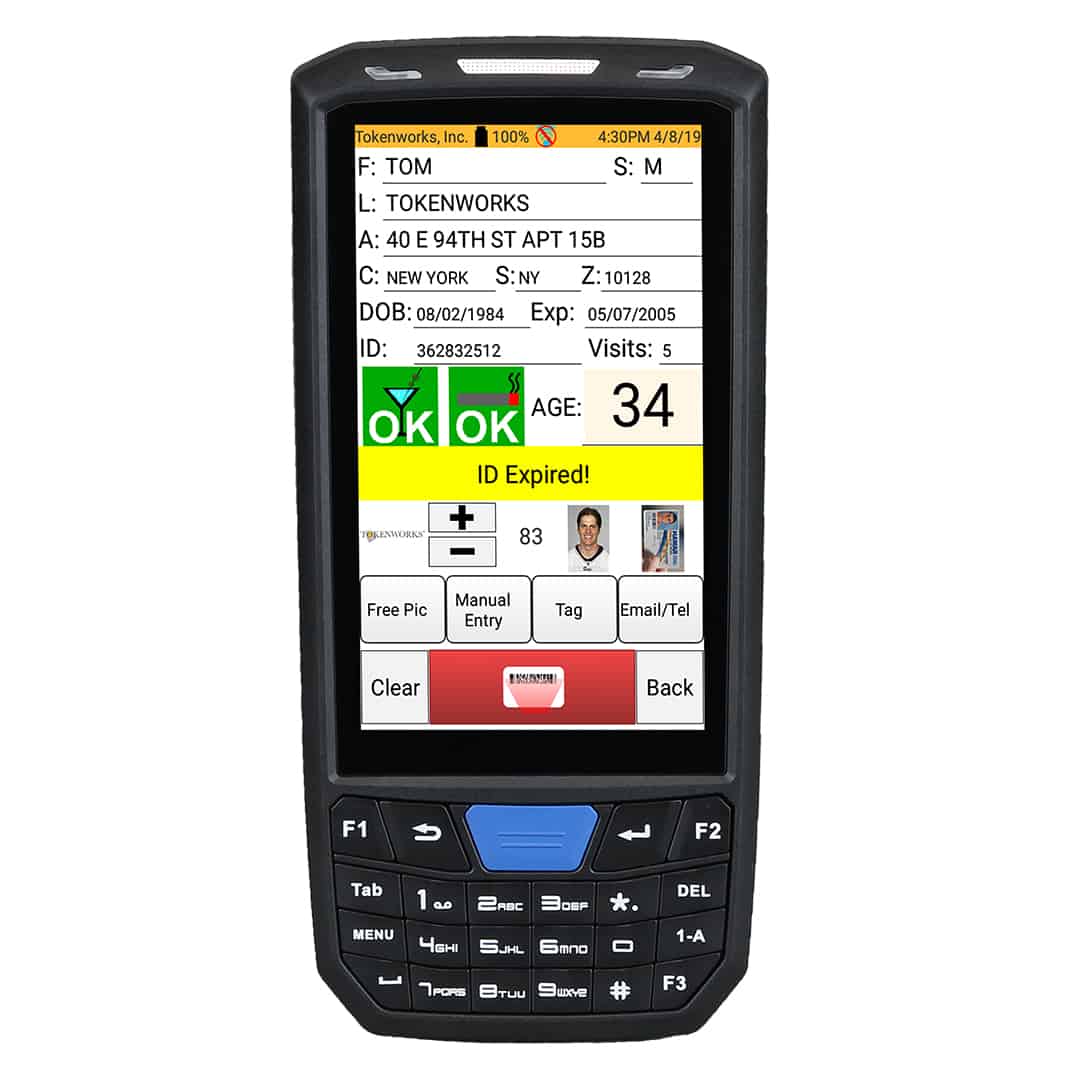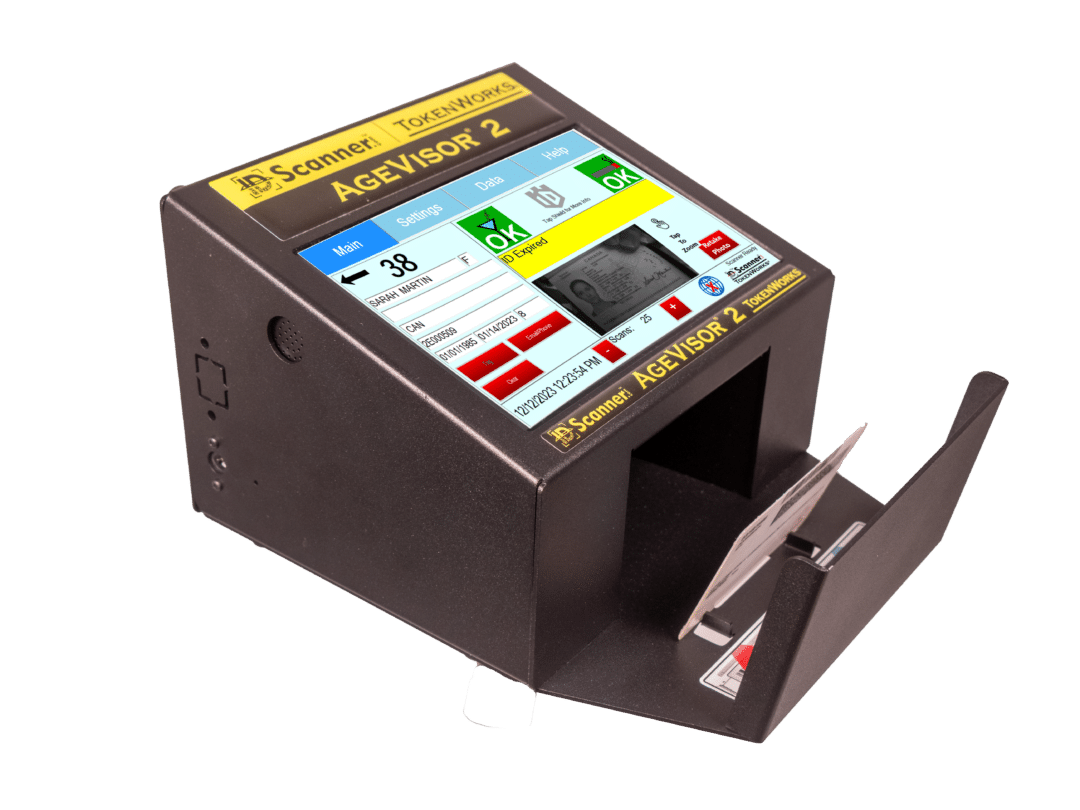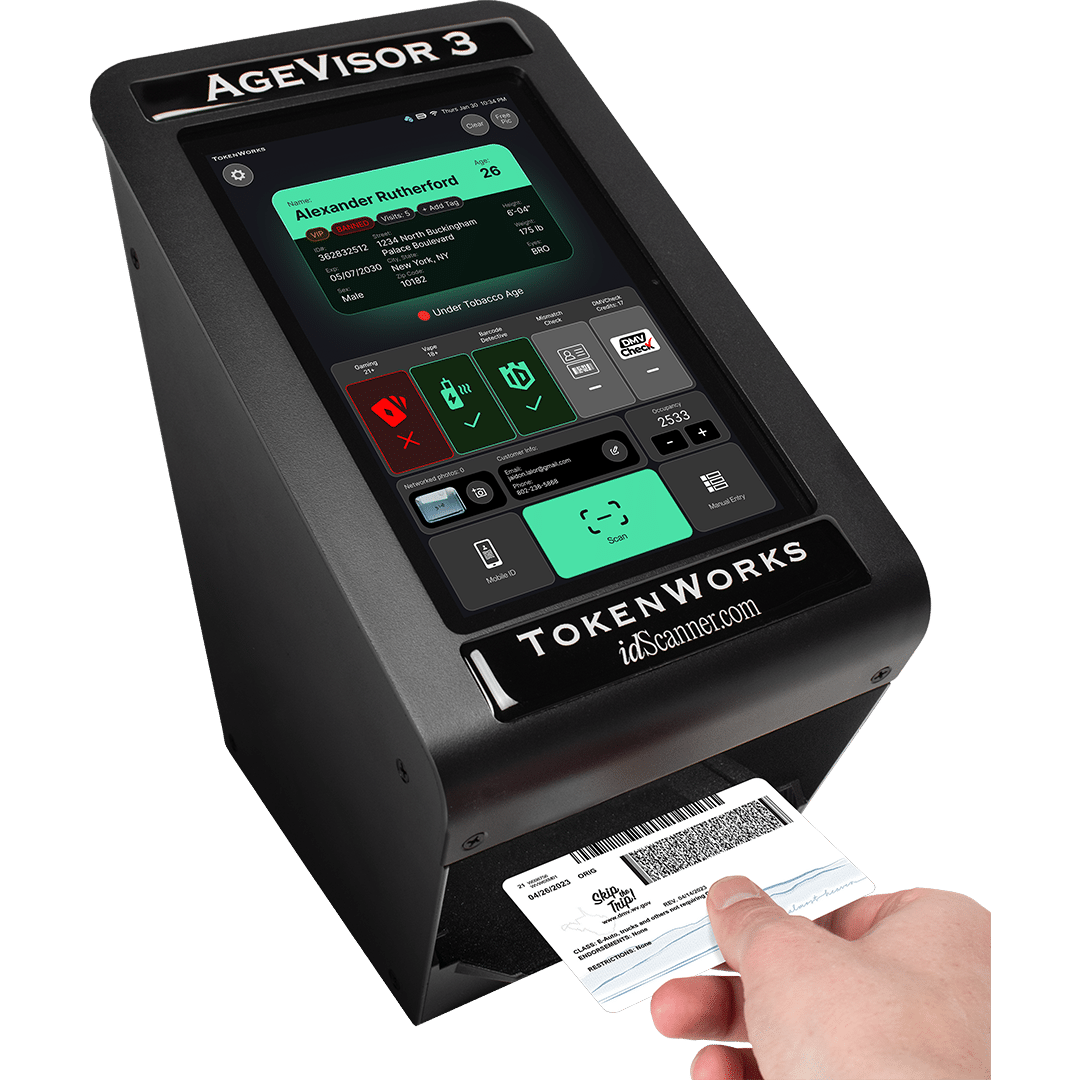


Wisconsin has one of the most unusual ID scanning frameworks in the country. The state provides a four-element absolute defense for alcohol sales to minors (confirmed by Wisconsin Court of Appeals case law), gives retailers the statutory right to sue underage persons for $1,000 in damages, but explicitly prohibits municipalities from providing ID scanners to retail licensees. This prohibition, enacted in 2013 after police departments loaned scanners to bars and used the collected data to identify patrons with outstanding warrants, reflects Wisconsin’s privacy-first approach to scanning technology. Businesses may still purchase their own scanners, and the prohibition does not extend to counties.
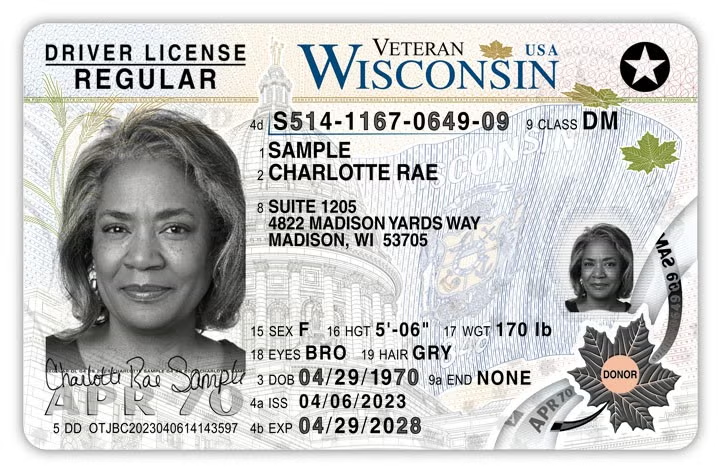
Wisconsin law prohibits any person from procuring for, selling, dispensing, or giving away any alcohol beverages to any underage person (under 21) not accompanied by a parent, guardian, or spouse who has attained the legal drinking age.
Any person or business holding a license or permit for the retail sale of alcohol beverages in Wisconsin. This includes bars, restaurants, taverns, hotels, liquor stores, grocery stores, convenience stores, event venues, and any other establishment operating under a Wisconsin alcohol beverage license or permit.
Wisconsin allows underage persons to consume alcohol when accompanied by a parent, guardian, or spouse of legal drinking age on licensed premises. This is one of the broadest parental exceptions in the country. Licensees may require a parent or guardian to present identification establishing that they are the underage person’s parent, guardian, or spouse of legal drinking age.
Wisconsin takes a broad approach to acceptable identification. Licensees and permittees may require a person to present:
The statute explicitly provides that nothing requires a licensee or permittee to accept any form of identification that does not appear to be valid or authentic or appears altered.
Wisconsin provides two lines of defense for licensees charged with selling to an underage person.
In determining whether a licensee has violated the underage sale provisions, all relevant circumstances surrounding the presence of the underage person or the sale of alcohol beverages may be considered, including the specific circumstances listed in the statute.
In addition, proof of all of the following facts by a seller constitutes a defense to any prosecution for a violation:
Per the Wisconsin Court of Appeals in City of Oshkosh v. Abitz (187 Wis. 2d 202, 1994), proof of all four elements constitutes an absolute defense — not merely a mitigating factor. This is the strongest form of statutory defense available.
Wisconsin provides one of the most detailed statutory frameworks for licensees to pursue civil action against underage persons who violate the law on their premises.
If an underage person engages in conduct that violates §125.07(4)(a) (procuring, possessing, or consuming alcohol) on the premises of a licensee, the licensee may bring a civil action against the underage person.
If judgment is entered in favor of the licensee, the court shall award $1,000 in statutory damages plus the costs of the action. This is a fixed statutory amount, not a variable damages claim.
If the underage person is less than 18 years of age and is not an emancipated minor, the licensee may bring the civil action against the underage person’s parent instead.
No municipality (defined as a city, village, or town under §125.02(11)) may provide to any retail licensee any device capable of scanning an official identification card.
This provision was enacted in 2013 (Act 106) in response to incidents where Wisconsin police departments loaned ID scanners to bars and then used the data collected from those scanners to identify and arrest bar patrons who were violating probation or parole or had outstanding warrants. The legislature determined this was an improper use of scanning technology and prohibited municipalities from providing scanners to licensees.
No licensee or permittee may sell, vend, deal, or traffic in alcohol beverages to any underage person or to any person who is intoxicated. Violation is punishable by a fine of not less than $100 nor more than $500 or imprisonment for not more than 60 days, or both.
If a person provides alcohol to a minor under 18 in violation of §125.07(1)(a) and knew or should have known the person was underage, and the minor dies or suffers great bodily harm as a result, the provider may be charged with:
The same four-element defense structure applies: false representation, appearance, good faith, and supporting documentation.
Whether you operate a bar, restaurant, hotel, liquor store, grocery store, or event venue, understanding Wisconsin’s unique framework is essential.
Per the Oshkosh v. Abitz ruling, proving all four elements is not just a mitigating factor — it’s a complete defense. The fourth element requires that the minor supported their false representation with documentation, meaning the defense works best when staff checked an ID that appeared valid.
Municipalities cannot provide scanners to licensees. If you want electronic verification, you must purchase or lease the equipment independently. Counties may not be covered by this prohibition.
Wisconsin’s civil action provision gives licensees a concrete recovery mechanism: $1,000 in statutory damages plus costs. For minors under 18, the action can be brought against the parent. This adds a financial deterrent beyond criminal penalties.
When an underage person claims to be accompanied by a parent, guardian, or spouse of legal drinking age, licensees should verify the accompanying adult’s identity and age. The licensee can record identification information in a book maintained for this purpose (§125.07(7)).
Wisconsin raised its tobacco purchase age to 21 effective January 1, 2020.
Wisconsin’s four-element absolute defense requires proof that the minor supported their false representation with documentation. ID scanners help you:
Even with the municipality scanner prohibition, privately acquired scanners remain legal and provide significant compliance value.
Wisconsin imposes escalating penalties for alcohol violations.
No. Wisconsin does not mandate electronic scanning. The four-element absolute defense under §125.07(6) does not require scanning, but using a scanner supports the documentation element (element 4) by verifying the ID was electronically readable and appeared legitimate.
No. §125.09(7) prohibits any municipality (city, village, or town) from providing ID scanning devices to retail licensees. This law was enacted in 2013 after police departments used loaned scanners to mine patron data for law enforcement purposes. You must purchase or lease your own equipment.
Probably not under current law. The statute’s definition of “municipality” under §125.02(11) includes only cities, villages, and towns. However, the legislative intent behind the prohibition suggests caution.
Yes. §125.07(6) provides an absolute defense if all four elements are proven: (1) false representation of age, (2) appearance consistent with legal age, (3) good-faith sale in reliance on representation and appearance, and (4) documentation supporting the representation. Per City of Oshkosh v. Abitz, proving all four elements is an absolute defense.
Yes. Under §125.07(4)(f), licensees may bring a civil action for $1,000 in statutory damages plus costs. For minors under 18, the action may be brought against the parent. You must provide 15 days written notice before filing and must have reported the conduct to law enforcement.
Yes. Wisconsin allows underage persons to consume alcohol on licensed premises when accompanied by a parent, guardian, or spouse who has attained the legal drinking age. This is one of the broadest parental exceptions in the country.
Wisconsin gives licensees broad discretion. You may accept: the Wisconsin official identification card (DOT-issued), documentary proof of age, out-of-state operator’s licenses, or any other form of identification acceptable to you. You are not required to accept any ID that doesn’t appear valid or authentic.
Sale to Underage Persons / Four-Element Absolute Defense (§125.07)
Prohibits sale of alcohol to underage persons. Four-element absolute defense (confirmed by Court of Appeals in City of Oshkosh v. Abitz). Civil action against underage persons for $1,000 statutory damages.
Status: Active
Amended: 2025
Proof of Age / Acceptable Identification (§125.085)
Defines official identification card. Broad discretion for licensees to accept any form of identification. No requirement to accept IDs that appear invalid or altered.
Status: Active
Municipality Scanner Prohibition (§125.09(7))
Prohibits cities, villages, and towns from providing ID scanning devices to retail alcohol licensees. Enacted 2013 in response to law enforcement data collection practices.
Status: Active
Effective: 2013
Injury or Death from Providing to Minor Under 18 (§125.075)
Class H or Class G felony for providing alcohol to a minor under 18 when death or great bodily harm results.
Status: Active
Important Notes: Wisconsin provides a four-element absolute defense for alcohol sales (per City of Oshkosh v. Abitz, 1994) and gives licensees the statutory right to sue underage persons for $1,000 in damages. Municipalities are prohibited from providing ID scanners to licensees, but businesses may purchase their own. Wisconsin’s parental exception allows underage persons to consume alcohol on licensed premises when accompanied by a parent, guardian, or spouse of legal drinking age.
IDscanner.com by TokenWorks is not a legal organization, nor should anything on this page constitute legal guidance. It is meant to be a list of resources and helpful links. Please consult your attorney before making any decisions related to scanning IDs in your state.