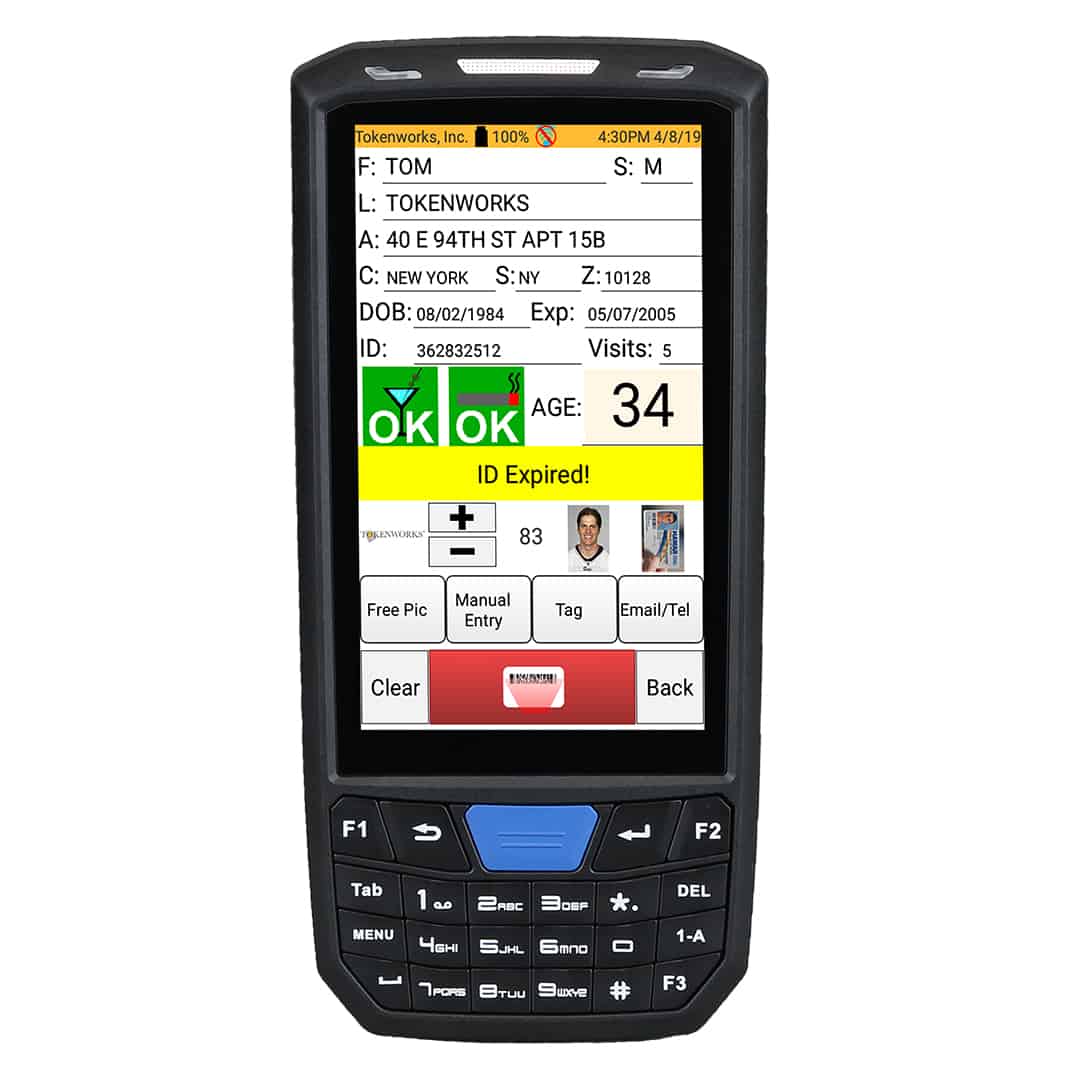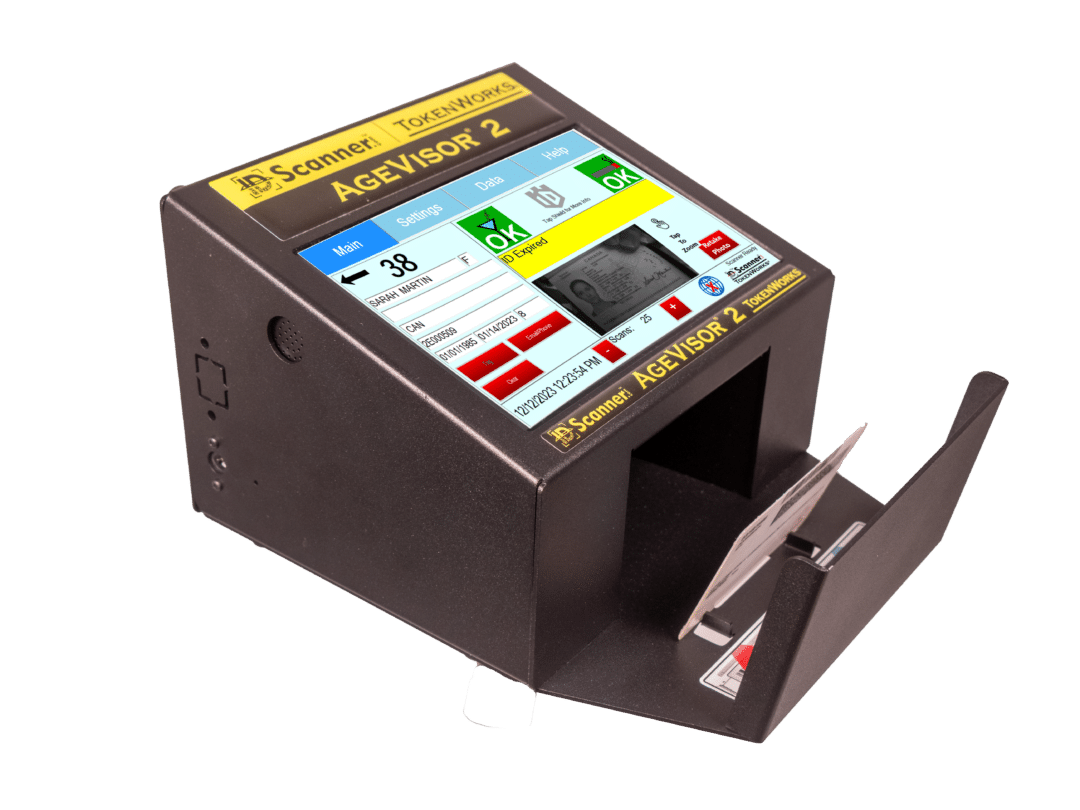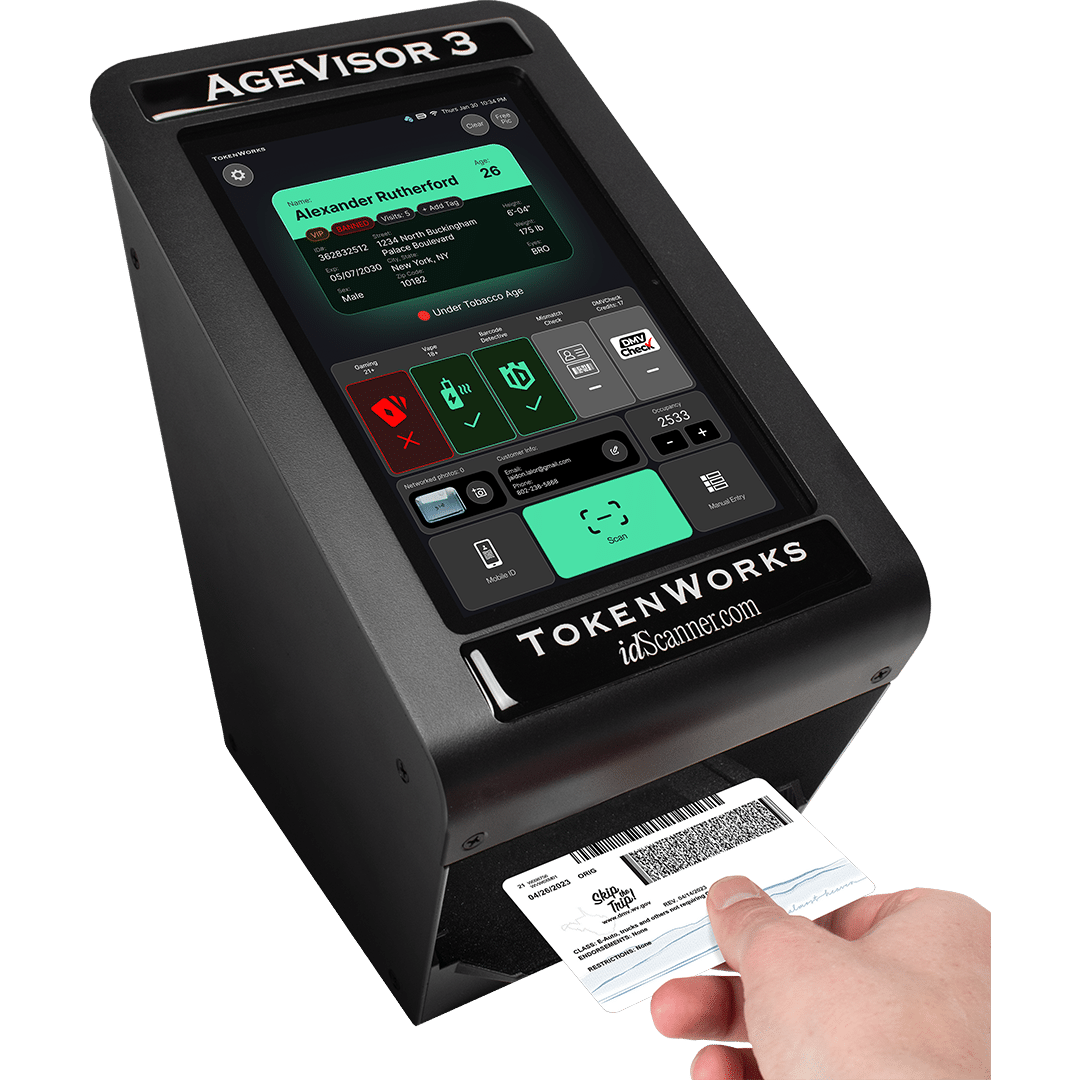


Oregon takes a distinctive approach to ID verification that combines strong seller protections with strict data privacy rules. The state’s defense framework essentially presumes a licensee innocent if they checked ID in good faith, unless a reasonable person would have caught the fraud. Oregon also offers a unique incentive: the Liquor and Cannabis Commission may allow licensees who sell to a minor to acquire and use age verification equipment in lieu of penalties. However, Oregon’s ID scanning privacy law (ORS 807.750) explicitly prohibits storing personal information collected from swiping an ID for age verification. This creates an unusual dynamic where scanning is authorized and encouraged, but data retention is not.
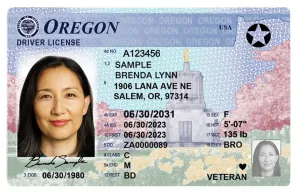
Oregon law makes it unlawful to sell, give, or otherwise make available any alcoholic liquor to a person under 21 years of age. The statute applies to licensees, permittees, and any person who provides alcohol to a minor. Penalties escalate with repeat offenses.
Any person or business licensed or permitted by the Oregon Liquor and Cannabis Commission (OLCC). This includes bars, restaurants, taverns, hotels, liquor stores, grocery stores, convenience stores, brewpubs, wineries, distilleries, event venues, and any other establishment operating under an OLCC license or permit.
Oregon requires all licensees and permittees to verify the age of any person about whom there is any reasonable doubt of having reached 21 years of age before selling or serving alcoholic liquor.
If a person does not have any of the above forms of ID, the licensee may require the person to make a written statement of age on a form furnished or approved by the OLCC. This signed statement becomes part of the defense framework.
Oregon provides a strong statutory defense for licensees who verify age in good faith.
If a written statement of age and the information about the identification exhibited at the time the statement was made are offered as evidence in any administrative or criminal prosecution for sale to an underage person, the licensee shall be found to have committed no crime or other wrong unless it is demonstrated that a reasonable person would have determined that the identification exhibited was altered or did not accurately describe the person to whom the alcohol was sold or served.
The burden falls on the prosecution: they must prove that a reasonable person would have caught the fraud. If the ID appeared legitimate and the licensee checked it in good faith, the licensee is presumed to have done nothing wrong. This is among the strongest seller protections in the country.
Oregon offers a unique incentive for electronic ID verification. Upon finding that a retail licensee or employee has sold alcohol to a minor, or has failed to properly verify identification, the OLCC may allow the licensee to acquire and use equipment designed to prevent sales to minors in lieu of a civil penalty or denial, suspension, or cancellation of the license.
This means that if you’re caught selling to a minor, the OLCC may give you the option to invest in ID scanning equipment instead of paying a fine or losing your license. This provision creates a direct, state-sanctioned incentive for businesses to adopt electronic verification technology.
Oregon’s privacy law governs when and how businesses may electronically scan (or “swipe”) a driver’s license or identification card.
A private entity may swipe an individual’s driver’s license or identification card only for specific purposes, including:
A private entity that swipes an individual’s ID for age verification or identity verification purposes may not store, sell, or share personal information collected from the swipe. This prohibition applies to the personal information encoded on the magnetic strip or bar code.
Under ORS 807.750, personal information includes an individual’s name, address, date of birth, photograph, fingerprint, biometric data, driver’s license number, identification card number, or any other unique personal identifier or number.
Oregon explicitly allows scanning an ID for age verification, but prohibits retaining the scanned data. This means you can use a scanner to verify that an ID is valid and the person is 21+ at the point of sale, but you cannot build a database of customer information from those scans. Your scanner should be configured to verify and clear, not verify and store.
Oregon’s responsible vendor program provides additional protections and reduced penalties for licensees who maintain training compliance.
The OLCC conducts uniform minor decoy operations to test compliance. The statute requires the commission to establish uniform standards for these operations.
Whether you operate a bar, restaurant, hotel, liquor store, grocery store, brewpub, winery, or event venue, Oregon’s legal framework provides clear reasons to verify IDs consistently.
Oregon’s ORS 471.135 defense essentially presumes you innocent if you checked ID and it appeared legitimate. But the defense only works if you actually checked. Skipping the ID check eliminates this protection entirely.
ORS 471.342 gives the OLCC discretion to allow licensees to acquire age verification equipment instead of facing fines or license actions. This means the state explicitly views scanning technology as a compliance solution, not just a business tool.
ORS 807.750 allows scanning for age verification but prohibits storing the personal information collected. Configure your scanner to verify and clear. Do not build customer databases from scan data.
ORS 471.341 requires mandatory clerk training courses for employees of off-premises sales licensees. Combined with the responsible vendor program, consistent training strengthens your compliance position.
Oregon prohibits the sale of tobacco products and inhalant delivery systems to persons under 21 years of age.
ORS 807.750 authorizes scanning an ID to verify age for any age-restricted good or service where there is reasonable doubt the person is 21. This includes tobacco. The same no-storage restriction applies.
Oregon requires scrap metal businesses to maintain extensive identification and transaction records for all purchases of nonferrous metal property and private metal property.
Oregon’s legal framework uniquely positions ID scanners as both a compliance tool and a penalty alternative. ID scanners help you:
Even with the ORS 807.750 no-storage requirement, scanners provide real-time verification value at the point of sale. The scan confirms the ID is valid, the encoded data matches the printed data, and the person is 21 or older, all before the transaction is completed.
Oregon imposes escalating criminal and administrative penalties for alcohol violations.
Swiping an ID for a purpose not authorized by statute, or storing data from an age verification swipe, is a violation of ORS 807.750
No. Oregon does not mandate electronic ID scanning. However, ORS 471.342 allows the OLCC to require licensees who sell to a minor to acquire age verification equipment in lieu of other penalties. Scanning is authorized under ORS 807.750 for age verification purposes.
Yes. Under ORS 471.135, a licensee who checks ID is presumed to have committed no wrong unless the prosecution demonstrates that a reasonable person would have determined the ID was altered or did not accurately describe the person. This is among the strongest seller protections in the country.
No. ORS 807.750 explicitly prohibits a private entity from storing, selling, or sharing personal information collected from swiping a driver’s license or identification card for age verification purposes. Scanners should be configured to verify and clear.
Oregon accepts a broad range: passport (U.S. or foreign), motor vehicle operator’s license (any state), Oregon state ID, ID or driver’s license from any U.S. state/territory or Canadian province/territory (with photo, name, DOB, and physical description), armed forces ID, SENTRI/NEXUS program cards, and other forms defined by commission rule.
Under ORS 471.342, when a licensee is found to have sold to a minor or failed to verify ID, the OLCC may allow the licensee to acquire and use age verification equipment instead of imposing a civil penalty or suspending/canceling the license. This creates a direct incentive for businesses to invest in scanning technology.
Penalties escalate with repeat offenses: first offense is a Class A violation, second is an $860 fine, third is a Class A misdemeanor with a mandatory $1,000 fine, and fourth or subsequent offenses carry a mandatory $1,000 fine plus 30 days imprisonment.
Yes. ORS 807.750 authorizes scanning for any age-restricted good or service where there is reasonable doubt the person is 21. The same no-storage restriction applies to tobacco as to alcohol.
Required Identification / Statement of Age Defense (ORS 471.130, 471.135)
Requires age verification for purchasers about whom there is reasonable doubt. Strong defense: licensee presumed innocent unless a reasonable person would have caught the fraud.
Status: Active
Age Verification Equipment in Lieu of Penalty (ORS 471.342)
OLCC may allow licensees to acquire age verification equipment instead of facing civil penalties or license suspension/cancellation for selling to a minor.
Status: Active
Amended: 2021
ID Scanning Privacy Restrictions (ORS 807.750)
Authorizes swiping IDs for age verification. Prohibits storing, selling, or sharing personal information collected from the swipe.
Status: Active
Amended: 2022
Providing Liquor to Persons Under 21 (ORS 471.410)
Escalating penalties for selling alcohol to minors: Class A violation for first offense up to Class A misdemeanor with mandatory imprisonment for fourth offense.
Status: Active
Amended: 2023
Scrap Metal Business Records (ORS 165.116-165.117)
Requires ID photocopying, facial photography/video, signed declarations, payment restrictions, and record retention for scrap metal transactions.
Status: Active
Amended: 2016
Important Notes: Oregon provides one of the strongest seller defense frameworks in the country under ORS 471.135 and uniquely allows age verification equipment as an alternative to penalties under ORS 471.342. However, ORS 807.750 prohibits storing personal information from ID scans conducted for age verification. Scanners must be configured to verify and clear.
IDscanner.com by TokenWorks is not a legal organization, nor should anything on this page constitute legal guidance. It is meant to be a list of resources and helpful links. Please consult your attorney before making any decisions related to scanning IDs in your state.