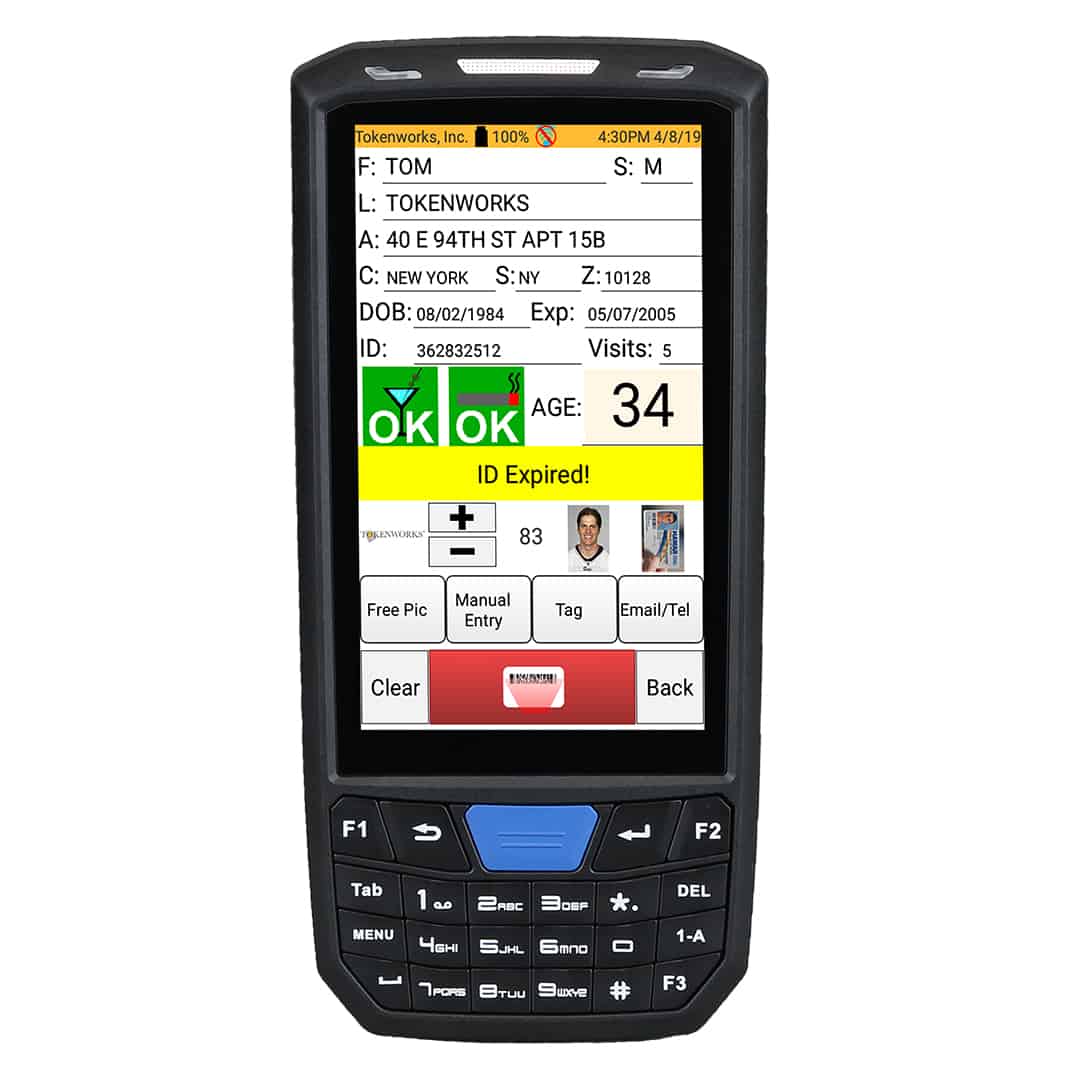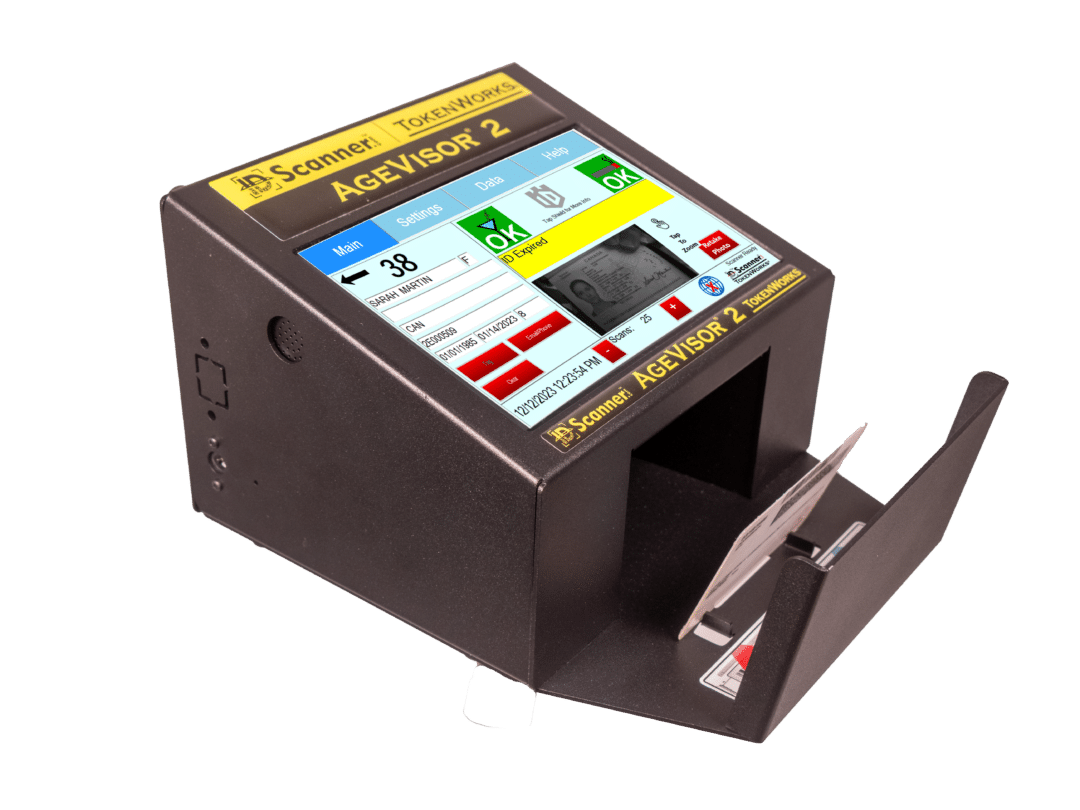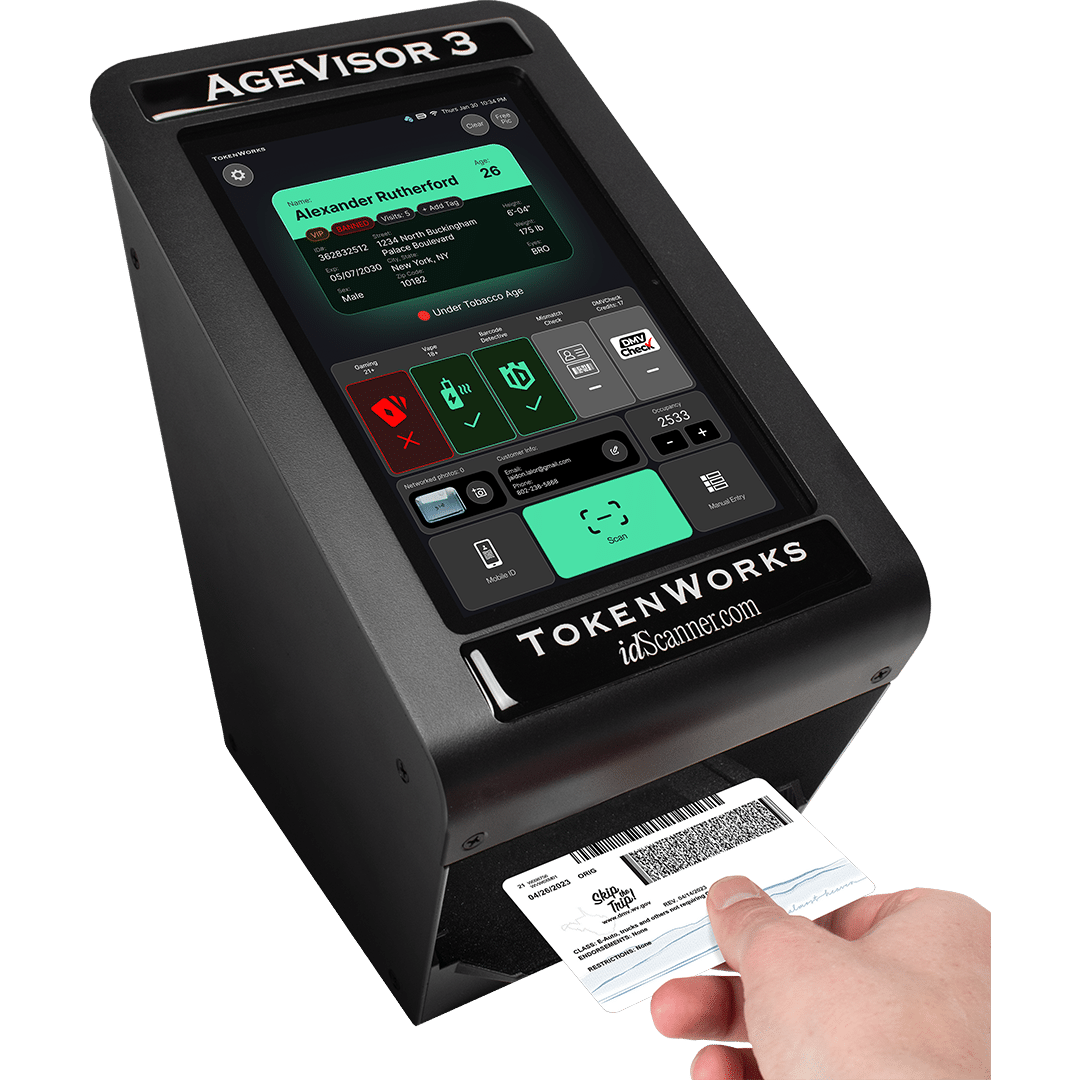


California provides one of the most well-established affirmative defense frameworks in the country for alcohol sales. Under Business and Professions Code §25660, licensees who demand, are shown, and reasonably rely on “bona fide evidence” of age are protected against both criminal prosecution and ABC license proceedings. Recent amendments have expanded the law to explicitly include biometric systems and age verification software, making California one of the most scanner-friendly states from a legal standpoint. Between the ABC’s strict enforcement through undercover decoy operations, the STAKE Act’s tobacco requirements, and cannabis dispensary ID mandates, businesses across all age-restricted industries need a clear ID verification strategy.

California law makes it a misdemeanor for any person to sell, furnish, give, or cause to be sold, furnished, or given away any alcoholic beverage to a person under 21 years of age. This is a strict liability offense, meaning the prosecution does not need to prove that the seller knew the buyer was underage.
Any person or business licensed to sell alcoholic beverages in California. This includes bars, nightclubs, restaurants, hotels, liquor stores, grocery stores, event venues, convenience stores, and any other establishment holding an ABC license.
Every person who sells alcoholic beverages in a licensed establishment must read, understand, and sign a Clerk’s Affidavit. The signed affidavits must be kept on the licensed premises and made available for ABC inspection. Licensees must also post a sign at the entrance, point of sale, or other visible location informing customers and employees of the law. Failure to comply may result in license suspension or revocation.
Section 25660 is the foundation of California’s ID verification framework. It defines what constitutes “bona fide evidence” of age and provides the affirmative defense that protects licensees who properly verify identification.
Acceptable identification includes any document issued by a federal, state, county, or municipal government or subdivision or agency thereof. This includes, but is not limited to:
Licensees may refuse to sell or serve alcoholic beverages to any person who is unable to produce adequate written evidence that they are over 21 years of age.
California provides a robust affirmative defense that applies to both criminal prosecution and ABC administrative proceedings.
Proof that the defendant-licensee, or their employee or agent, demanded, was shown, and acted in reliance upon bona fide evidence in any transaction forbidden by §25658 (sale to minor), §25663 (minor on premises), or §25665 (minor in bar area) is a defense to criminal prosecution and to proceedings for license suspension or revocation.
The licensee bears the burden of proving this defense. Key requirements include:
The 2025 version of §25660 now explicitly includes biometric systems as an alternative path to affirmative defense. Proof that the licensee utilized a biometric system is a defense to criminal prosecution and license proceedings.
A qualifying biometric system must be based upon a review of bona fide evidence of majority and identity and must verify and authenticate the validity of that evidence. For purposes of §25660, “biometrics” means the unique characteristics of a person, including fingerprints, iris, face, or other similar biometric characteristics, or any combination thereof.
The use of active age verification software or an age verification device that fails to identify a false identification card is considered evidence in proceedings, provided that the identification is bona fide evidence as described in the statute, was physically inspected, appears legitimate, and matches the physical appearance of the customer.
California is known for aggressive enforcement through undercover decoy operations. The ABC and local law enforcement regularly send persons under 21 into licensed establishments to attempt to purchase alcoholic beverages. These operations are a primary enforcement tool and the most common source of §25658 violations.
Whether you operate a bar, restaurant, nightclub, hotel, liquor store, grocery store, convenience store, or event venue, California’s alcohol laws provide clear incentives for consistent ID verification.
The §25660 defense covers both criminal prosecution and ABC license proceedings. However, it’s an affirmative defense, meaning the burden falls on the licensee to prove every element. Simply having an ID scanner isn’t enough. Staff must demand the ID, physically inspect it, compare the photo and description to the person, and act in reasonable reliance on it.
California’s recent amendment to §25660 explicitly recognizes biometric systems and age verification software/devices. This gives businesses using electronic verification technology statutory backing for their compliance efforts.
Every employee who sells alcohol must sign a Clerk’s Affidavit confirming they understand the law. This isn’t optional, and failure to maintain signed affidavits on premises is independently sanctionable.
California’s ABC regularly conducts undercover operations. Having a consistent, documented ID verification process is your best protection when a decoy walks in.
California’s Stop Tobacco Access to Kids Enforcement Act (STAKE Act) regulates the sale of tobacco products to persons under 21.
California’s tobacco penalties escalate over a five-year window:
After the third violation, the department may also seek license suspension (90 days for third/fourth violations, revocation for fifth). Penalties are enforced against business owners, not employees.
Selling tobacco to a minor is also a misdemeanor under Penal Code §308. However, a person cannot be assessed both a civil penalty under §22958 and criminally prosecuted under §308 for the same incident.
California prohibits cannabis licensees from selling to persons under 21 and imposes strict ID verification requirements.
As with alcohol, peace officers may use persons under 21 as decoys to test cannabis retailer compliance. Minors acting under the direction of peace officers in these operations are immune from prosecution.
California’s legal framework directly rewards businesses that invest in consistent ID verification. The §25660 affirmative defense, now expanded to include biometric systems and age verification software, provides statutory backing for electronic verification. ID scanners help you:
California’s frequent decoy operations make consistent verification especially critical. When your defense depends on proving you demanded, inspected, and reasonably relied on the ID, having a documented scan record strengthens every element of that claim.
California imposes criminal, civil, and administrative penalties across alcohol, tobacco, and cannabis.
No. California does not mandate electronic ID scanning. However, the §25660 affirmative defense protects licensees who demand, inspect, and reasonably rely on bona fide evidence of age. Recent amendments now explicitly recognize biometric systems and age verification software, giving statutory backing to electronic verification.
Yes. Under B&P Code §25660(b), proof that the licensee demanded, was shown, and acted in reliance upon bona fide evidence is a defense to both criminal prosecution and ABC license proceedings. The defense now also covers biometric systems and age verification devices.
Any document issued by a federal, state, county, or municipal government or agency thereof, including a driver’s license, military ID (with name, date of birth, and photo), or valid U.S. or foreign passport. The issuing authority must be located within the United States.
Yes. Unlike some states where the defense only applies to administrative proceedings, California’s §25660 defense applies to both criminal prosecution and ABC administrative proceedings (license suspension/revocation).
Under §25660(c), a “biometric system” means technology that links the identity of a person to that person’s biometrics (fingerprints, iris, face, or other characteristics). A qualifying system must verify and authenticate the validity of bona fide evidence of identity.
Yes. Under B&P Code §26140, no cannabis may be sold unless the purchaser first presents valid government-issued identification showing they are 21 or older. Retailers must confirm age and identity before allowing access to the retail area and again at point of sale.
Civil penalties start at $400-$600 for a first violation and escalate to $5,000-$6,000 for a fifth violation within five years. License suspension or revocation may follow third or subsequent violations. Alternatively, criminal misdemeanor charges may be brought under Penal Code §308.
Under §25658.4, every person who sells alcohol in a licensed establishment must read, understand, and sign a Clerk’s Affidavit. The signed affidavits must be maintained on premises and available for ABC inspection. A sign must also be posted at the entrance or point of sale.
Documentary Evidence of Age / Affirmative Defense (B&P Code §25660)
Defines bona fide evidence of age and identity. Establishes affirmative defense for licensees who demand, inspect, and rely on valid identification. Now includes biometric systems and age verification software.
Status: Active
Amended: 2025
Sale to Persons Under 21 (B&P Code §25658)
Prohibits sale of alcohol to persons under 21. Strict liability offense. Clerk’s Affidavit requirement under §25658.4.
Status: Active
STAKE Act / Tobacco Sales (B&P Code §§22950-22964)
Prohibits sale of tobacco to persons under 21. Civil penalties escalating from $400 to $6,000. ID check required for purchasers appearing under 21.
Status: Active
Amended: 2016
Cannabis Protection of Minors (B&P Code §26140)
Prohibits cannabis sales to persons under 21. Mandatory government-issued ID verification before sale. No persons under 21 on adult-use premises.
Status: Active
Amended: 2021
Important Notes: California provides one of the strongest affirmative defense frameworks in the country, covering both criminal prosecution and ABC administrative proceedings. Recent amendments to §25660 now explicitly recognize biometric systems and age verification software/devices. California’s ABC regularly conducts undercover decoy operations, making consistent ID verification essential.
IDscanner.com by TokenWorks is not a legal organization, nor should anything on this page constitute legal guidance. It is meant to be a list of resources and helpful links. Please consult your attorney before making any decisions related to scanning IDs in your state.