

Massachusetts takes a unique approach to alcohol age verification. While the state doesn’t mandate electronic ID scanning, it provides a powerful incentive through its “reasonable reliance” presumption: licensees who reasonably rely on approved forms of identification are presumed to have exercised due care and are shielded from license penalties and criminal liability for an underage sale. Combined with a dedicated liquor purchase identification card system, broad ID acceptance including Global Entry cards, and strict cannabis dispensary verification requirements, Massachusetts offers a compliance framework that rewards diligent ID checking.
Massachusetts law prohibits any person from selling, delivering, or furnishing any alcoholic beverage or alcohol to any person under 21 years of age. The statute applies broadly to licensees, patrons who procure drinks for minors in licensed establishments, and anyone who furnishes alcohol to a person under 21 (with limited exceptions for family members).
Any person or business licensed to sell alcoholic beverages in Massachusetts. This includes bars, restaurants, taverns, hotels, liquor stores, grocery stores, event venues, and any other establishment operating under an Alcoholic Beverages Control Commission (ABCC) license.
Section 34B is the centerpiece of Massachusetts’ ID verification framework. It establishes a state-issued liquor purchase identification card and, more importantly, creates a rebuttable presumption of due care for licensees who reasonably rely on approved forms of identification.
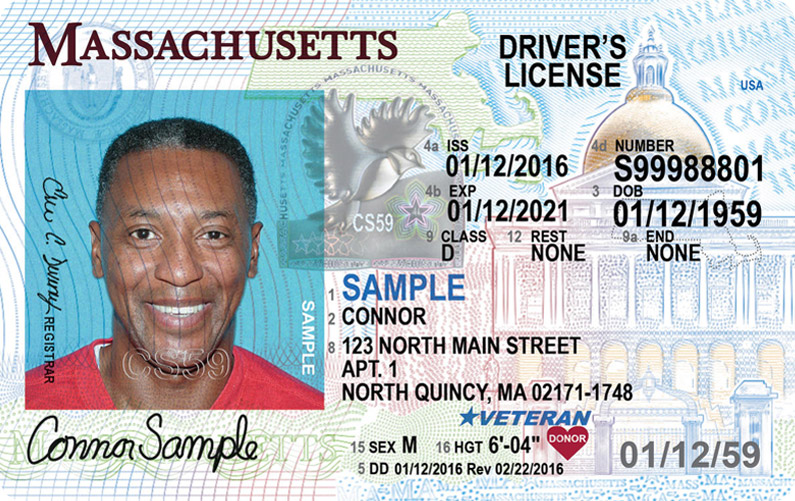
Massachusetts accepts a broad range of identification for alcohol sales:
This is the key protection Massachusetts provides. A licensee, or their agent or employee, who reasonably relies on any of the identification types listed above:
This presumption is rebuttable, meaning it can be challenged with evidence that the licensee did not actually exercise due care. However, the burden shifts to the party challenging the presumption, which provides meaningful legal protection for licensees who check IDs consistently.
While Massachusetts doesn’t use the term “affirmative defense,” the §34B reasonable reliance presumption functions similarly and may be even stronger in some respects. It provides both administrative (license) and criminal liability protection, which some states’ affirmative defenses do not. The key is that the licensee must “reasonably rely” on the ID presented, which means staff should still verify the photo matches the person, check the expiration date, and look for signs of tampering.
Selling, delivering, or furnishing alcohol to a person under 21 is a criminal offense. Penalties include fines and potential imprisonment. Employers may also face license sanctions through the ABCC.
Any person on a licensed premises who, upon request by an ABCC agent or local licensing authority, refuses to state their name, age, or address, or provides false information, is guilty of a misdemeanor punishable by a fine of up to $500.
Whether you operate a bar, restaurant, hotel, liquor store, grocery store, or event venue, understanding the §34B presumption is essential to protecting your business.
The §34B presumption of due care is your primary legal protection. But it only works if your staff consistently checks ID and uses the approved forms of identification. If your employee skips the ID check or accepts a form of ID not on the approved list, the presumption doesn’t apply.
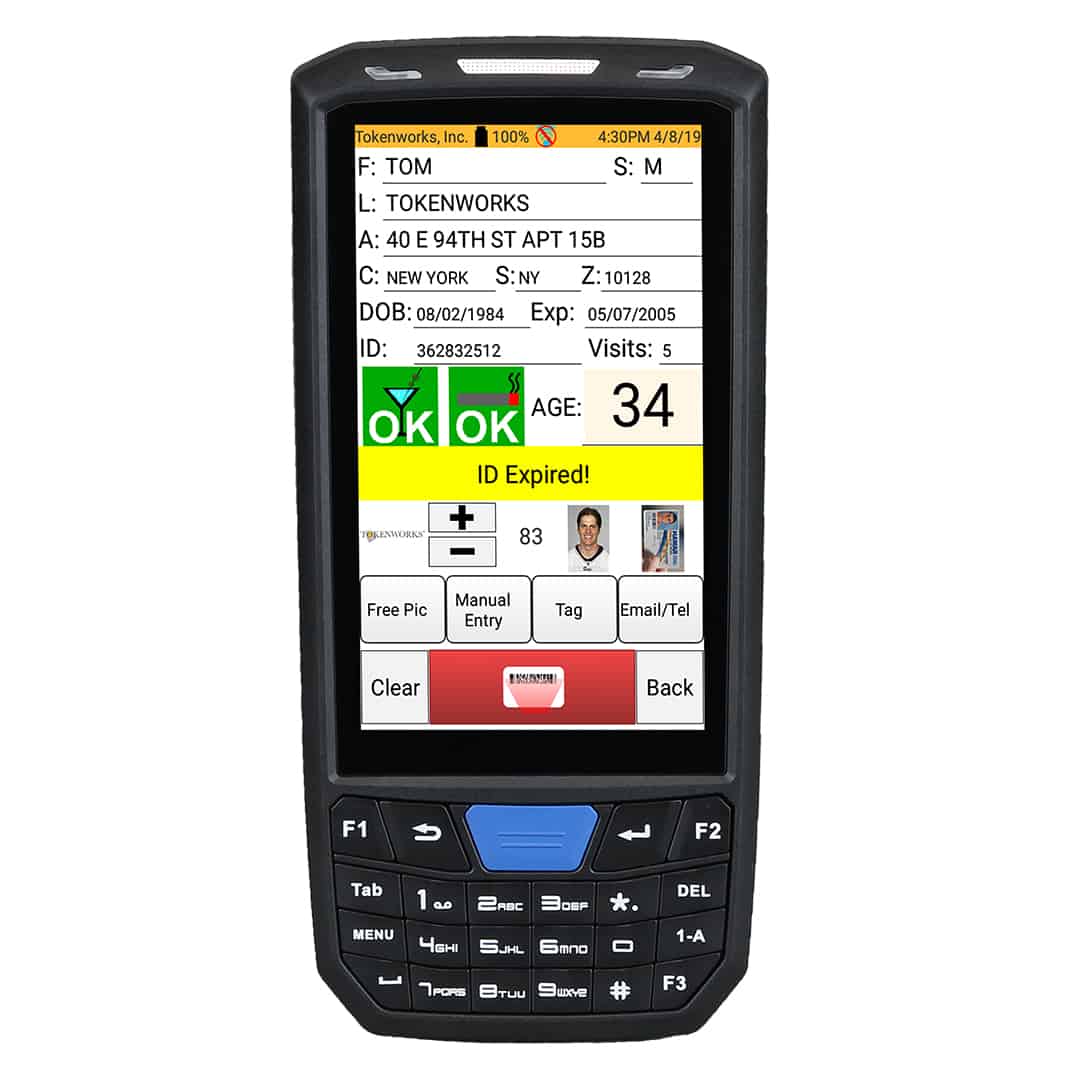
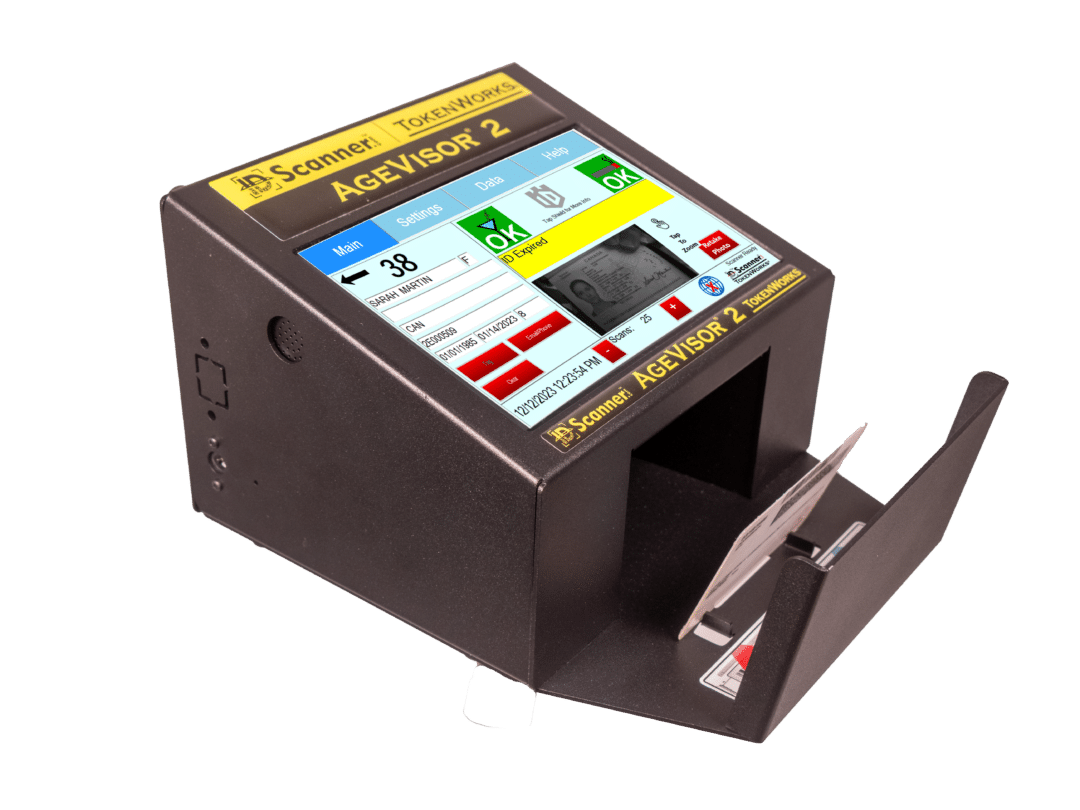
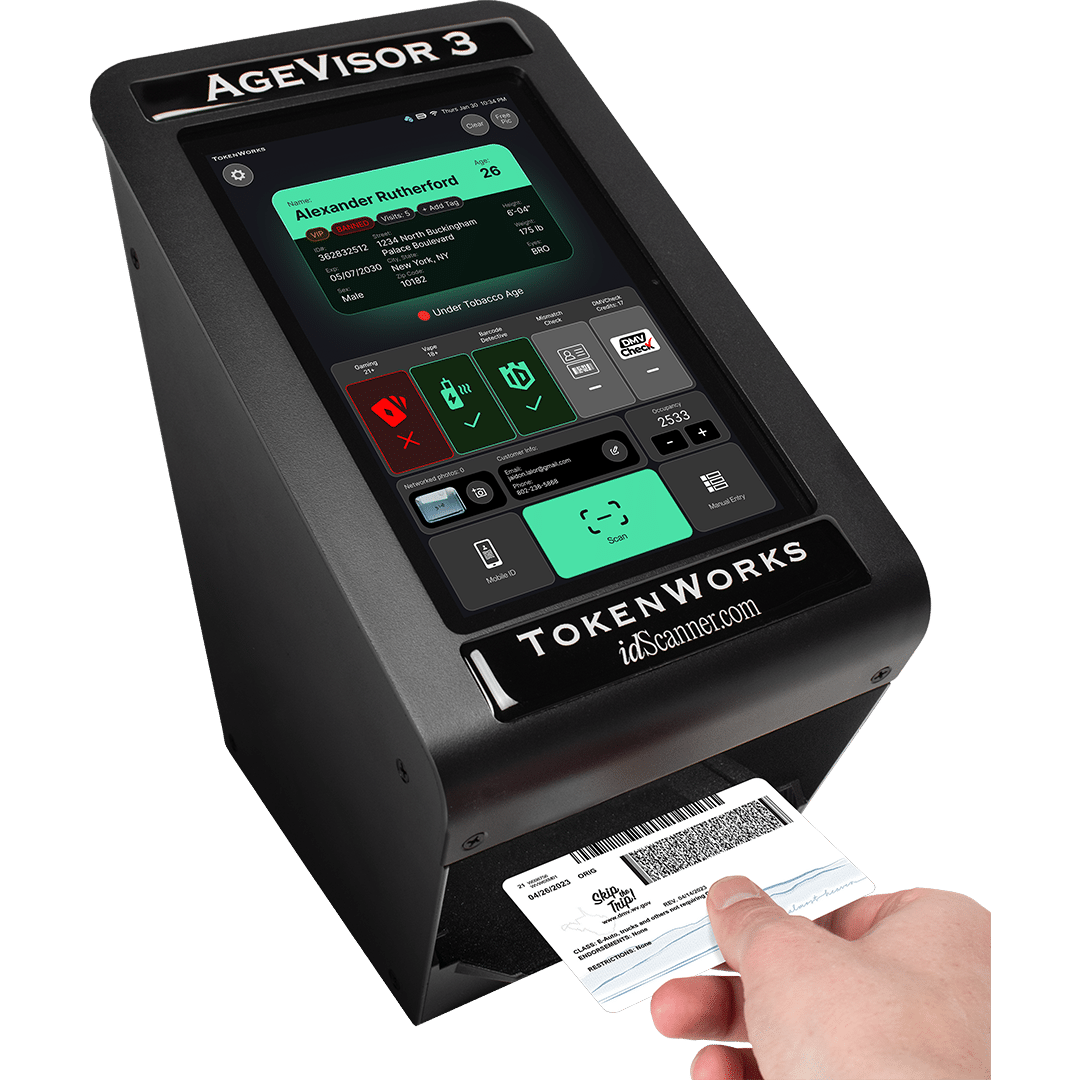
Massachusetts doesn’t mandate electronic scanning. However, using an ID scanner creates a documented, verifiable record of every ID check, which supports your claim of “reasonable reliance” if a transaction is ever questioned. When the presumption of due care is rebuttable, having scan records demonstrating consistent verification practices strengthens your position.
Massachusetts is one of the few states that explicitly lists Global Entry cards as acceptable identification for alcohol sales. Train your staff to recognize this form of ID.
Massachusetts permits licensees to employ persons 18 or older for the direct handling or selling of alcoholic beverages. Persons under 18 may be employed but may not directly handle, sell, mix, or serve alcohol.
Massachusetts prohibits the sale or provision of any tobacco product to a person under 21 years of age.
The tobacco penalties in Massachusetts are notably steeper than in many other states, starting at $1,000 for a first offense with no suspension option.
Massachusetts regulates recreational cannabis under Chapter 94G, with the Cannabis Control Commission (CCC) overseeing licensing and compliance. Cannabis establishments face strict ID verification requirements.
All marijuana establishments must secure every entrance so that access to areas containing marijuana is restricted to authorized personnel, commission agents, and law enforcement (§12). This means age verification at the door is not optional.
Massachusetts’ reasonable reliance presumption under §34B provides strong legal protection, but only when licensees can demonstrate that they actually relied on valid identification. ID scanners help you:
For cannabis dispensaries, where double verification is required at both entry and point of sale, ID scanners are particularly valuable. They streamline the dual-check process and create an audit trail demonstrating compliance with CCC regulations.
Massachusetts imposes criminal, civil, and administrative penalties for age verification violations across alcohol, tobacco, and cannabis.
No. Massachusetts does not mandate electronic ID scanning. However, using an ID scanner creates a documented verification record that supports your “reasonable reliance” claim under Chapter 138, §34B, which provides a presumption of due care and shields you from license penalties and criminal liability.
Massachusetts doesn’t use the term “affirmative defense,” but §34B provides a rebuttable presumption of due care for licensees who reasonably rely on approved forms of identification. This functions similarly to an affirmative defense and provides both administrative and criminal liability protection.
Massachusetts accepts a broad range: Massachusetts driver’s license, Massachusetts state ID, Massachusetts liquor purchase identification card, valid passport, out-of-state driver’s license, Global Entry card, and U.S. military identification card.
It’s a state-issued card available to persons 21 or older who do not hold a valid driver’s license. It’s issued by the Registry of Motor Vehicles, costs $25, and is valid for five years. It bears the holder’s name, signature, date of birth, address, and photograph.
The statute doesn’t mandate electronic scanning specifically, but Cannabis Control Commission regulations require marijuana establishments to verify customer age twice: once at entry and again at the point of sale. ID scanners are commonly used to meet this requirement efficiently.
Massachusetts imposes steep penalties: $1,000 for a first offense, $2,000 for a second offense, and $5,000 for a third or subsequent offense. These are among the highest tobacco violation fines in the country.
Persons 18 or older may handle or sell alcoholic beverages directly. Persons under 18 may be employed by a licensee but may not directly handle, sell, mix, or serve alcohol.
Yes. Under §34B, a licensee who reasonably relies on approved identification shall not suffer criminal liability for selling to a person under 21. This is a stronger protection than some states’ affirmative defenses, which may only apply to administrative proceedings.
Liquor Purchase ID Cards / Reasonable Reliance (Chapter 138, §34B)
Establishes acceptable ID forms, state-issued liquor purchase identification card, and rebuttable presumption of due care for licensees who reasonably rely on approved identification.
Status: Active
Amended: 2023
Sale to Persons Under 21 (Chapter 138, §34)
Prohibits sale, delivery, or furnishing of alcohol to persons under 21. Criminal penalties for violations.
Status: Active
Amended: 2020
Minors Purchasing Alcohol / False ID (Chapter 138, §34A)
Prohibits minors from purchasing alcohol or using false identification. $300 fine for purchase attempts.
Status: Active
Tobacco Sales (Chapter 270, §6)
Prohibits sale of tobacco products to persons under 21. Fines starting at $1,000 for first offense.
Status: Active
Amended: 2019
Cannabis Establishment Requirements (Chapter 94G, §§1, 2, 12, 13)
Defines consumer as 21+, requires dual age verification at entry and point of sale, prohibits sales to minors with criminal penalties.
Status: Active
Amended: 2017
Important Notes: Massachusetts provides a rebuttable presumption of due care under §34B for licensees who reasonably rely on approved identification. This protects against both license sanctions and criminal liability, making consistent ID verification essential. Cannabis establishments must verify age twice per customer visit.
IDscanner.com by TokenWorks is not a legal organization, nor should anything on this page constitute legal guidance. It is meant to be a list of resources and helpful links. Please consult your attorney before making any decisions related to scanning IDs in your state.