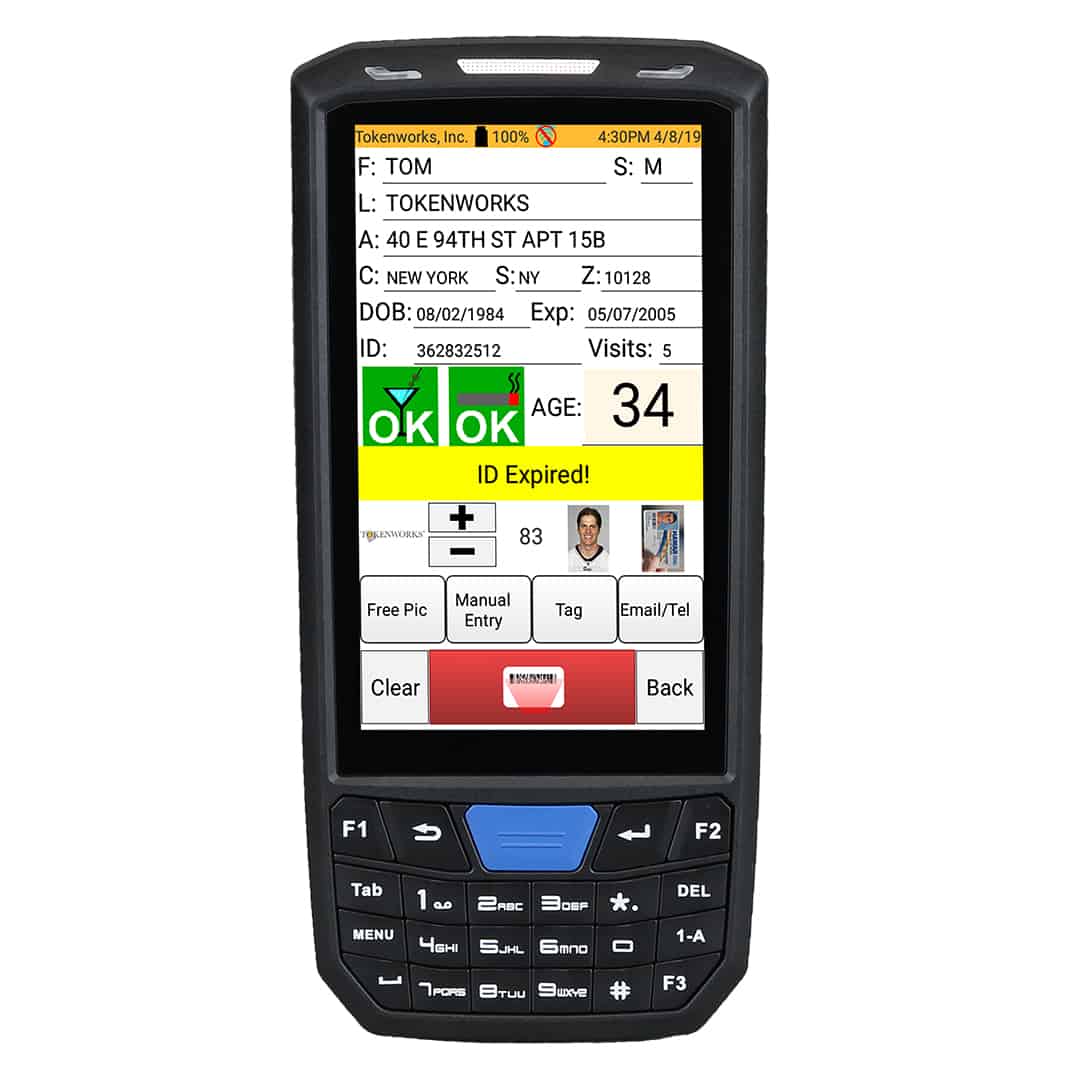
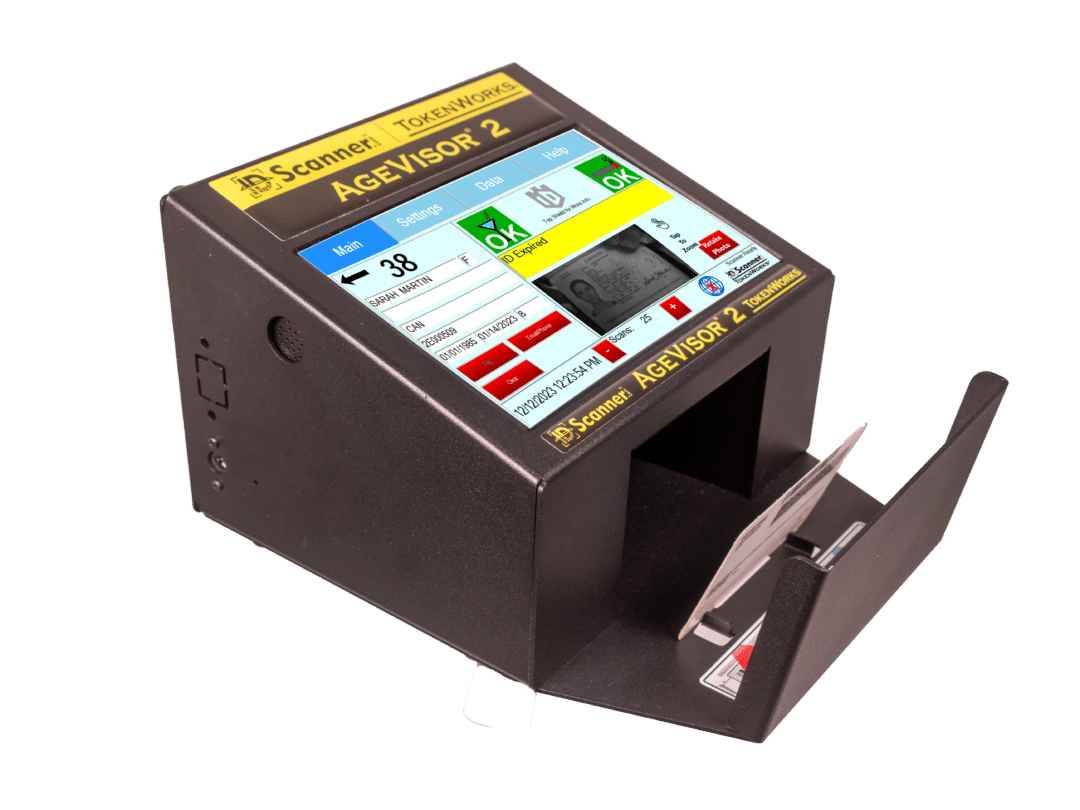
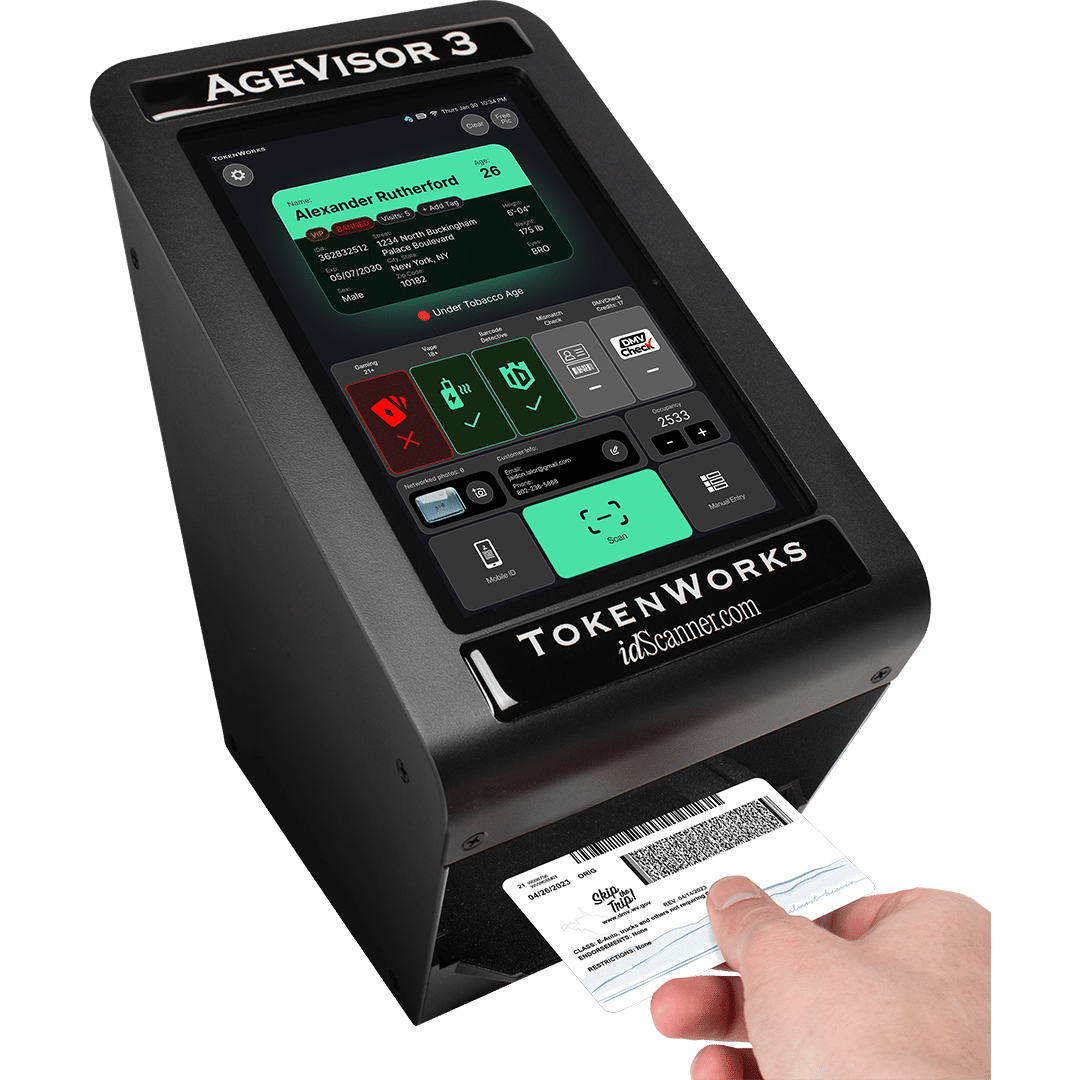
Nebraska does not require electronic ID scanning, but it sets some of the tightest limits in the country on what a business may keep from a scan. Retailers that sell alcohol, tobacco, or lottery tickets may scan a driver’s license or state ID card, but they may store only the customer’s age and ID number, must post a sign telling customers so, and may keep that data no longer than 18 months (Neb. Rev. Stat. §60-4,111.01). Storing more than the law allows is a Class IV felony. For alcohol, Nebraska gives licensees an absolute defense to a sale-to-minor charge when the buyer misrepresented their age in writing and backed it up with ID, or when the sale was made in cooperation with law enforcement (§53-180.07). For Nebraska businesses, protection comes from a careful ID check and a scanning setup that keeps only what the law allows.
Nebraska prohibits any person from selling, furnishing, giving away, exchanging, or delivering alcohol to anyone under 21, or permitting the sale, gift, or procuring of alcohol for them. A violation is a Class I misdemeanor (§53-180.05(1)). If the violation is knowing and intentional and a minor’s drinking results in serious bodily injury or death, it becomes a Class IIIA felony with a mandatory minimum of 30 days in jail (§53-180.05(2)).
Nebraska also makes it a Class I misdemeanor to knowingly make, create, or alter any form of identification to sell or deliver it to someone under 21 (§53-180.05(6)).
Any business licensed to sell alcohol in Nebraska, including bars, nightclubs, restaurants, hotels, liquor stores, grocery stores, convenience stores, and event venues.
Employees must be 19 or older to serve or sell alcohol. Employees 16 or older may handle alcohol and its containers, remove empties, and complete a sale transaction as long as they are not handling or serving the alcohol in that sale.
Every retail licensee must keep a printed warning card on display in a prominent place. The card must be at least 20 inches by 14 inches, with letters at least one-quarter inch high, and warn that persons under 21 face penalties for buying or possessing alcohol, that adults face penalties for buying alcohol for someone under 21, and that keg buyers must show proper identification and sign for the purchase.
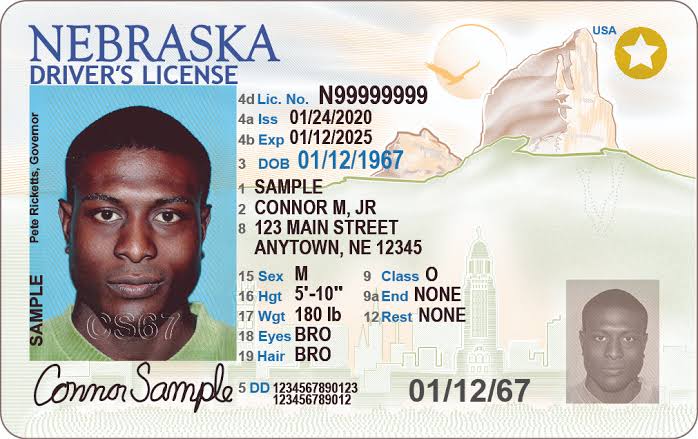
To establish proof of age to buy or drink alcohol, a person may present only one of the following:
Tribal enrollment cards were added to the list in 2024 (LB1288).
A retail licensee may keep a separate book recording each purchaser who presented proof of age. Each entry lists the purchaser’s name and address, the date of purchase, and a description of the ID, and must be signed by the purchaser. The Nebraska Liquor Control Commission publishes an Identification Register form for this purpose, which includes a purchaser certification that the ID is genuine and shows the purchaser’s true date of birth.
Retailers selling kegs of five gallons or more for off-premises use must record the date of sale, the keg identification number, and the buyer’s name, address, signature, and ID number. The buyer must present an operator’s license, state ID card, tribal enrollment card, or military ID with a photo. Records must be kept on the premises for at least six months.
Nebraska does not offer a scanner-based affirmative defense like the states in our affirmative defense guide. Instead, the statute gives licensees an absolute defense, meaning that if it is proven, it defeats the charge entirely. It applies in any prosecution of, or any proceeding against, a licensee charged with selling to a minor.
The licensee has two ways to establish the defense:
Here is what that means in practice:
An ID scanner does not create the written representation the defense requires, but it helps with the rest. A scan confirms the ID’s data reads correctly, flags an expired ID, and shows whether the date of birth is 21 or older, which supports a good-faith belief that the purchaser was of legal age.
This is the provision that makes Nebraska stand out. As a general rule, no one with use of or access to the machine-readable information on a driver’s license or state ID card may compile, store, preserve, trade, sell, or share it (§60-4,111.01(2)). The statute then carves out narrow exceptions.
A retailer that sells alcohol, tobacco products, or lottery tickets under a state license or contract may scan a license or ID card to comply with and enforce the age restrictions on those products. If it does:
Retailers must use software that stores only the information the law allows, and the software’s programmer must certify to the retailer that it does. Programming software to store more, intentionally or through gross negligence, or falsely certifying it, is a Class IV felony.
Outside these retail exceptions and the methamphetamine precursor rules described below, the only other exception covers businesses approving a check, electronic funds transfer, or similar payment. They may store license data to provide it to a check services company, or scan and store it only as needed to prevent fraud or unauthorized transactions or to resolve a dispute (§60-4,111.01(4)). Hotels, venues, and other businesses that scan IDs for other reasons should not store the data.
Whether you run a bar, restaurant, hotel, liquor store, grocery store, convenience store, or event venue, Nebraska rewards a careful ID check and punishes keeping too much data.
If your scanner or point-of-sale system stores names, dates of birth, or addresses, it is out of compliance. Confirm it keeps only age and ID number, get the programmer’s certification, and set data to clear within 18 months.
Any retailer that scans must post a sign at the point of sale. This is separate from the alcohol warning card required under §53-180.04.
The absolute defense depends on a written representation from the purchaser. Having young-looking customers sign the identification register is how you build that record.
Nebraska’s alcohol list is exclusive. Student IDs, employee badges, and other documents not on the list do not establish proof of age.
Nebraska prohibits selling, giving, or furnishing tobacco in any form, cigars, cigarettes, cigarette paper, electronic nicotine delivery systems (e-cigarettes and vapes), or alternative nicotine products to anyone under 21. Nebraska raised the age from 19 to 21 effective October 1, 2020 (LB1064), matching the federal Tobacco 21 minimum.
Nebraska’s tobacco statutes do not set their own ID check requirement or list of acceptable IDs, and we are not aware of a statutory defense for tobacco sellers who rely on an ID. Federal regulations require retailers to check photo ID for any customer under 30. Tobacco retailers that scan IDs are covered by the same data limits as alcohol retailers: age and ID number only, a posted sign, and 18-month retention (§60-4,111.01(3)(a), (3)(e)).
Tobacco and vape retailers must hold a license. A licensee who sells or furnishes these products to anyone under 21 commits a Class III misdemeanor, and the court may order the license revoked and forfeited.
Since 2024 (LB1204), Nebraska bans delivery sales of electronic nicotine delivery systems to Nebraska consumers, including sales by mail, online, by phone, or through any other electronic method. A violation is a Class I misdemeanor and a deceptive trade practice, and a retailer whose license is revoked for it cannot get a new license for five years (§28-1429).
Retailers selling pseudoephedrine and similar precursor products must keep them behind the counter and require the buyer to show a driver’s license, state ID card, military ID, alien registration card, or passport. Both the buyer and the seller must be at least 18. Before completing the sale, the seller must submit the buyer’s name, age, address, ID type, issuing agency, and ID number, along with the product and quantity, to the National Precursor Log Exchange (NPLEx), and may not complete a sale the system blocks.
Precursor sellers may scan IDs and store the buyer’s name, age, address, ID type, issuing agency, and ID number, and must post a sign stating what will be stored (§60-4,111.01(3)(b)).
No Nebraska lottery ticket may be sold to anyone under 19. Lottery retailers that scan IDs follow the same data limits as alcohol and tobacco retailers (§60-4,111.01(3)(a), (3)(e)).
Nebraska does not mandate scanning, but its laws reward accurate ID checks and limit what you can keep. ID scanners help you:
No. Nebraska does not require electronic ID scanning for alcohol, tobacco, or lottery sales. Retailers may choose to scan, but if they do, they must follow the data limits in §60-4,111.01.
Nebraska uses the term absolute defense. A licensee charged with selling to a minor has a complete defense if the purchaser falsely represented their age in writing with supporting ID, their appearance matched that ID, and the seller relied on it in good faith, or if the seller was cooperating with law enforcement (§53-180.07). The defense is not tied to scanning.
Only a valid driver’s or operator’s license, state ID card, military ID card, alien registration card, passport, or tribal enrollment card with a photo and date of birth (§53-180.06).
Alcohol, tobacco, and lottery retailers may store only the customer’s age and ID number, for no more than 18 months, and only after posting a sign at the point of sale. Storing anything more, or sharing or selling the data, is a Class IV felony (§60-4,111.01).
Yes. Retailers that scan must post a sign at the point of sale stating that the license or card will be scanned and that the age and ID number will be stored.
21, since October 1, 2020. The age applies to cigarettes, cigars, all forms of tobacco, e-cigarettes and vapes, and alternative nicotine products (§28-1419).
No. Since 2024, delivery sales of electronic nicotine delivery systems to Nebraska consumers, including online and phone orders, are prohibited (§28-1429.05).
Employees must be 19 or older to serve or sell alcohol. Employees 16 or older may complete a sale at the register if they are not handling or serving the alcohol (§53-168.06).
We are not aware of a Nebraska statute that authorizes retailers to seize a suspected fake ID. Refuse the sale and contact local law enforcement if you suspect fraud.
Sale of Alcohol to Minors (Neb. Rev. Stat. §53-180; §53-180.05)
Prohibits selling or furnishing alcohol to anyone under 21, making it a Class I misdemeanor, and makes creating a fake ID for someone under 21 a separate offense.
Status: Active
Amended: 2022
Proof of Age for Alcohol (Neb. Rev. Stat. §53-180.06)
Lists the only forms of ID that establish proof of age for alcohol and lets licensees keep a signed identification register of purchasers
Status: Active
Amended: 2024
Absolute Defense for Licensees (Neb. Rev. Stat. §53-180.07)
Gives licensees a complete defense to a sale-to-minor charge when the purchaser misrepresented their age in writing with supporting ID and the seller relied on it in good faith, or when the seller was cooperating with law enforcement.
Status: Active
Amended: 1993
ID Scan Data Restrictions (Neb. Rev. Stat. §60-4,111.01)
Prohibits storing data from a driver’s license or state ID card, except that alcohol, tobacco, and lottery retailers may store only age and ID number for up to 18 months with a posted sign. Violations are Class IV felonies.
Sale of Tobacco and Vapes to Persons Under 21 (Neb. Rev. Stat. §28-1419)
Prohibits selling tobacco, electronic nicotine delivery systems, and alternative nicotine products to anyone under 21.
Status: Active
Effective: 2020
Methamphetamine Precursor Sales (Neb. Rev. Stat. §§28-456, 28-459)
Requires precursor buyers to show ID and requires sellers to log each sale with the National Precursor Log Exchange before completing it.
Lottery Ticket Age Limit (Neb. Rev. Stat. §9-810)
Prohibits selling Nebraska lottery tickets to anyone under 19.
Status: Active
Amended: 2024
Important Notes: Nebraska does not require electronic ID scanning, but it strictly limits what a business may keep from a scan: alcohol, tobacco, and lottery retailers may store only age and ID number, must post a sign, and must delete the data within 18 months, and storing more is a Class IV felony. For alcohol, the approved ID list is exclusive, and licensees have an absolute defense when a buyer misrepresented their age in writing with supporting ID or when the sale was made in cooperation with law enforcement. The minimum age is 21 for alcohol and tobacco and 19 for lottery tickets.
IDscanner.com by TokenWorks is not a legal organization, nor should anything on this page constitute legal guidance. It is meant to be a list of resources and helpful links. Please consult your attorney before making any decisions related to scanning IDs in your state.