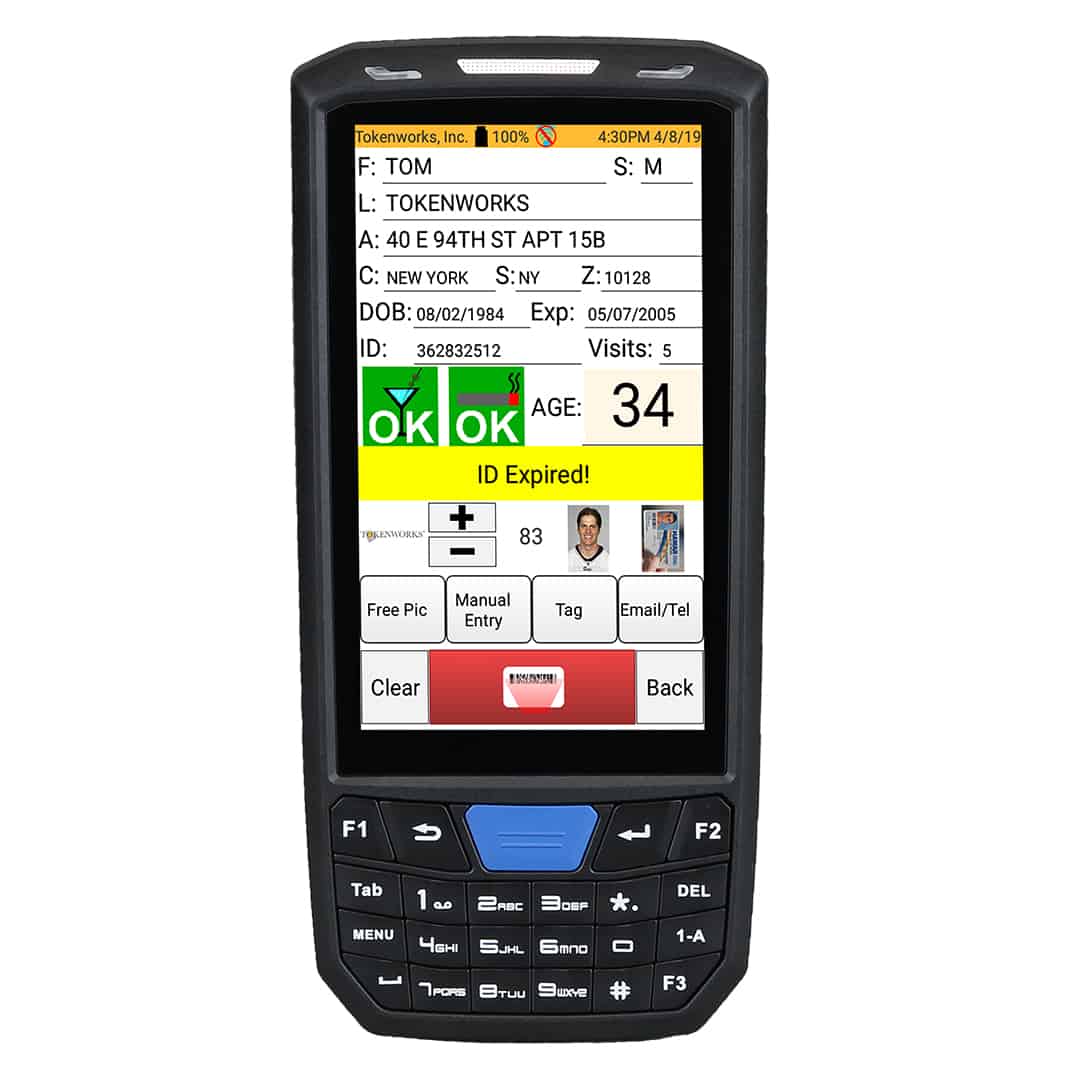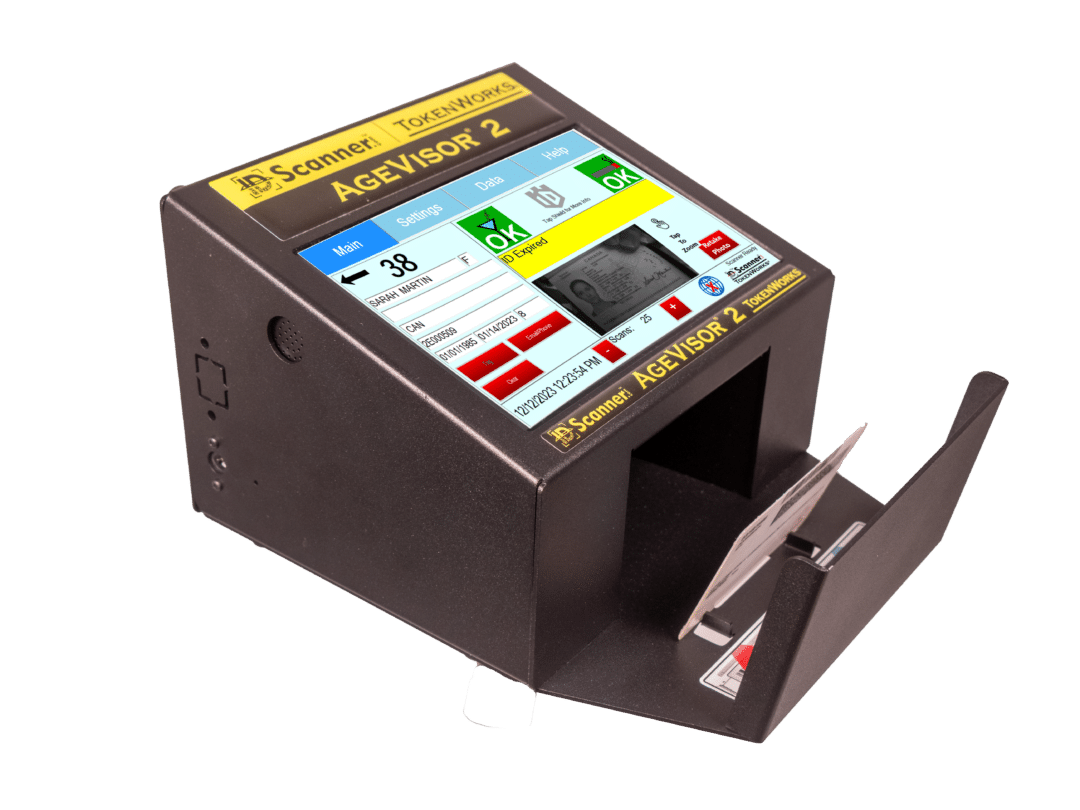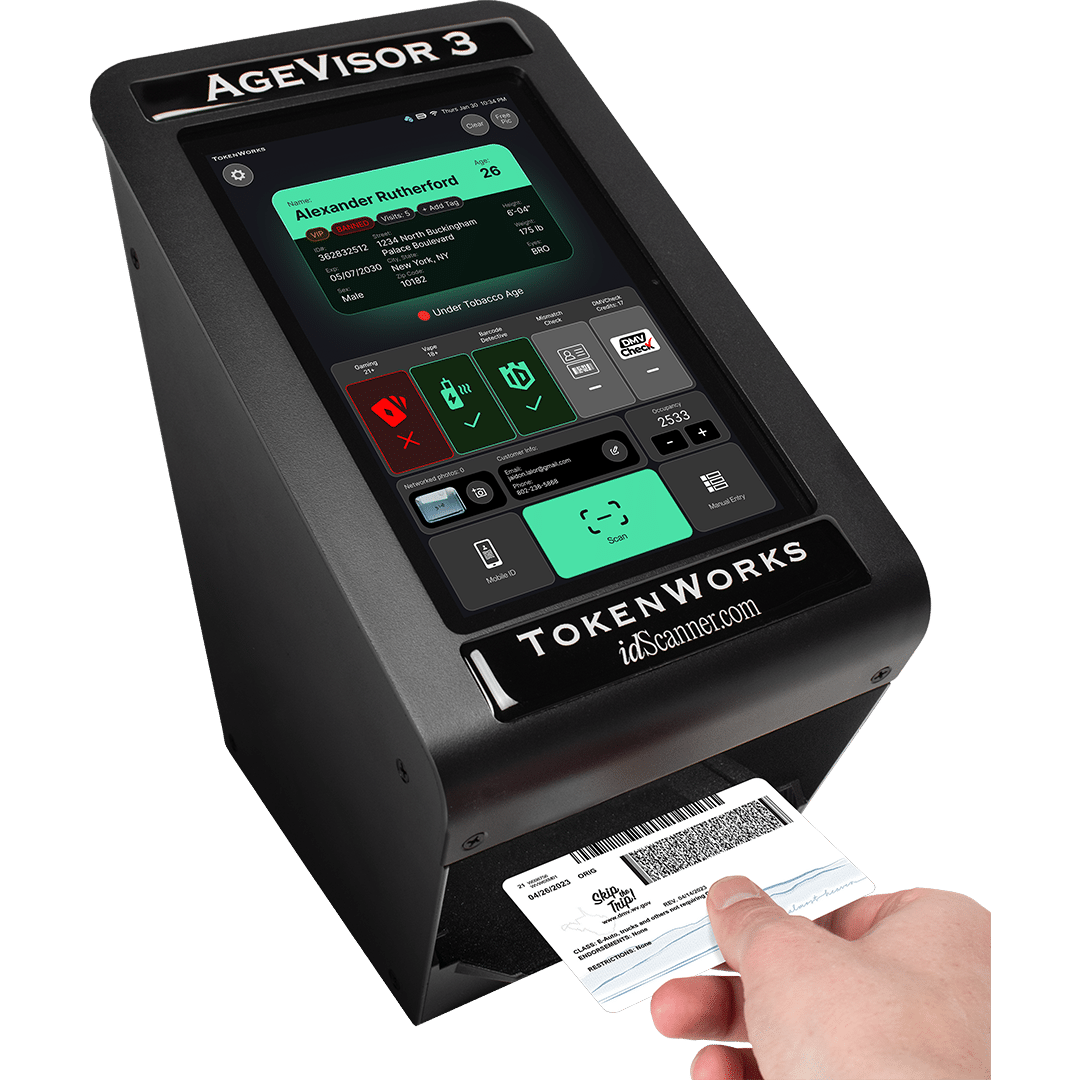


New Hampshire takes a privacy-conscious approach to ID scanning while still providing legal protections for businesses that verify age. The state allows electronic scanning of IDs for age verification and fraud prevention under administrative regulations, but restricts how that data can be used and shared. For alcohol and tobacco sales, New Hampshire establishes a “prima facie evidence of innocence” defense that protects sellers who check ID in good faith. While the state doesn’t have a dedicated transaction scan device statute like Ohio or New York, its combination of scanning authorization, data restrictions, and seller protections creates a workable compliance framework.
New Hampshire law prohibits any licensee, salesperson, direct shipper, common carrier, delivery agent, or other person from selling or giving away any liquor or beverage to a person under the age of 21. No licensee, manager, or person in charge of a licensed premises may allow or permit any individual under 21 to possess or consume any liquor or beverage on the licensed premises.
Any person or business licensed to sell alcoholic beverages in New Hampshire. This includes bars, restaurants, taverns, hotels, liquor stores, grocery stores, convenience stores, event venues, and any other establishment operating under a New Hampshire Liquor Commission license.
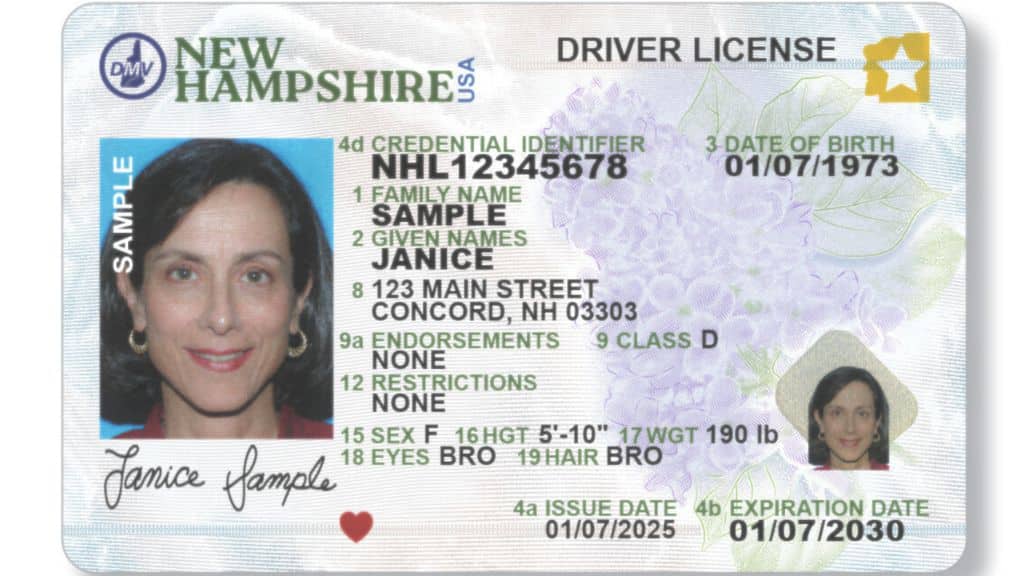
Any person making the sale of beverages or liquor to any person whose age is in question must require the purchaser to furnish documentation that they are 21 years of age or over.
All photographic identification must be consistent with the appearance of the person presenting it and must be correct and free of alteration, erasure, blemish, or other impairment.
New Hampshire provides a legal protection for sellers who check ID in good faith, though it uses different terminology than most states. Rather than calling it an “affirmative defense,” New Hampshire establishes “prima facie evidence of innocence” when all three of the following facts are proven:
This is a strong legal protection. Establishing prima facie evidence of innocence means the defendant is presumed innocent and the burden shifts to the prosecution to overcome that presumption. While not identical to an affirmative defense in structure, the practical effect is similar: if you checked ID, the person appeared to be of age, and you acted in good faith, you have a presumption of innocence.
New Hampshire gives retailers a unique statutory right: the ability to sue a minor who uses a false ID to purchase alcohol for any losses or fines suffered by the retailer as a result of the illegal sale. This is an unusual provision that few other states offer.
New Hampshire’s administrative regulations authorize legitimate businesses to electronically record, store, or retain personal information from driver’s licenses under specific conditions.
A legitimate business may scan and store information from a driver’s license if:
A business may transmit personal information from a scanned license to another business entity only if it meets all of the above requirements, receives the consent of the license holder, and the information is being obtained for one of the following purposes only:
Contrary to some interpretations, New Hampshire does authorize ID scanning for age verification. The regulation permits scanning to “verify the identity of the consumer or to prevent fraud,” which covers age verification for alcohol and tobacco sales. The restrictions are on what you do with the data after scanning, not on the scanning itself.
New Hampshire has a unique enforcement provision. Selling liquor or beverages to a minor during enforcement activity initiated solely for compliance verification purposes is a violation (the lowest level of offense). However, knowingly selling during such enforcement activity is a misdemeanor. The Liquor Commission may require the licensee to initiate additional staff training following a compliance failure.
Whether you operate a bar, restaurant, hotel, liquor store, grocery store, convenience store, or event venue, understanding New Hampshire’s framework is essential.
Saf-C 5606.06 authorizes scanning and storing information from driver’s licenses for identity verification and fraud prevention. This covers age verification for alcohol and tobacco sales.
To establish prima facie evidence of innocence, you need all three: the person falsely represented their age in writing with an official document, their appearance was consistent with being 21+, and you acted in good faith. An ID scanner helps you document the first element — that an official document was presented and inspected.
New Hampshire doesn’t prohibit scanning, but restricts how you can use and share the data. You may not sell, rent, or transfer scan data. You may not combine it with other databases for sale to third parties. Use it only for verification and fraud prevention.
New Hampshire uniquely allows retailers to pursue civil action against minors who use false IDs, seeking recovery of any losses or fines resulting from the sale. This is an unusual provision that adds a layer of deterrence.
New Hampshire prohibits the sale, gift, or furnishing of tobacco products, e-cigarettes, e-liquid, or alternative nicotine products to any person who has not attained 21 years of age.
The same three-element defense applies to tobacco sales:
New Hampshire’s prima facie evidence of innocence defense requires proof that an official document was presented and relied upon in good faith. ID scanners help you:
In a state where the defense depends on showing that an official document was presented and you relied on it in good faith, having a scan record of the document is significantly stronger evidence than relying on staff memory alone.
New Hampshire imposes criminal and administrative penalties for alcohol and tobacco violations.
No. New Hampshire does not mandate electronic ID scanning. However, scanning is authorized under Saf-C 5606.06 for identity verification and fraud prevention, and using a scanner creates documented evidence supporting the prima facie innocence defense.
New Hampshire provides “prima facie evidence of innocence” under RSA 179:7, which functions similarly to an affirmative defense. It requires three elements: the person falsely represented their age with an official document, their appearance was consistent with being 21+, and the sale was made in good faith.
Yes, under specific conditions. Saf-C 5606.06 authorizes businesses to record, store, or retain personal information from driver’s licenses for identity verification or fraud prevention. However, you may not sell, rent, or transfer the data, and you may not combine it with other databases for distribution to third parties.
A motor vehicle driver’s license from NH or any other state or Canadian province (bearing birth date, name, address, and photo), armed services identification card, or valid passport from a country with which the US maintains diplomatic relations.
Yes. New Hampshire uniquely provides retailers with the statutory right to sue a minor who uses a false ID to purchase alcohol for any losses or fines the retailer suffers as a result of the illegal sale.
Under RSA 179:5-b, a sale to a minor during enforcement activity initiated solely for compliance verification is a violation (the lowest level of offense). A knowing sale during such activity is a misdemeanor. All other instances of selling to a minor are charged as a Class B misdemeanor.
Yes. The same three-element defense applies: false written representation by the purchaser, appearance consistent with being of age, and good faith reliance on the documentation and appearance.
Prohibited Sales / Required Identification (RSA 179:5, 179:8)
Prohibits sale of alcohol to persons under 21. Requires ID verification for purchasers whose age is in question. Specifies acceptable identification types.
Status: Active
Amended: 2025
Prima Facie Evidence of Innocence (RSA 179:7)
Establishes three-element defense creating prima facie evidence of innocence for good-faith sellers who verify age with official documentation.
Status: Active
ID Scanning Authorization / Data Restrictions (Saf-C 5606.06)
Authorizes legitimate businesses to scan and store driver’s license information for identity verification and fraud prevention. Restricts data use and dissemination.
Status: Active
Effective: January 1, 2003
Tobacco Sales (RSA 126-K)
Prohibits sale of tobacco, e-cigarettes, e-liquid, and alternative nicotine products to persons under 21. Same prima facie innocence defense applies.
Status: Active
Amended: 2025
Important Notes: New Hampshire authorizes ID scanning for age verification under Saf-C 5606.06 but restricts how scan data can be used and shared. The state provides prima facie evidence of innocence (functionally similar to affirmative defense) for sellers who verify age in good faith with official documentation. New Hampshire uniquely allows retailers to sue minors who use fake IDs for any resulting losses or fines.
IDscanner.com by TokenWorks is not a legal organization, nor should anything on this page constitute legal guidance. It is meant to be a list of resources and helpful links. Please consult your attorney before making any decisions related to scanning IDs in your state.to scanning IDs in your state.