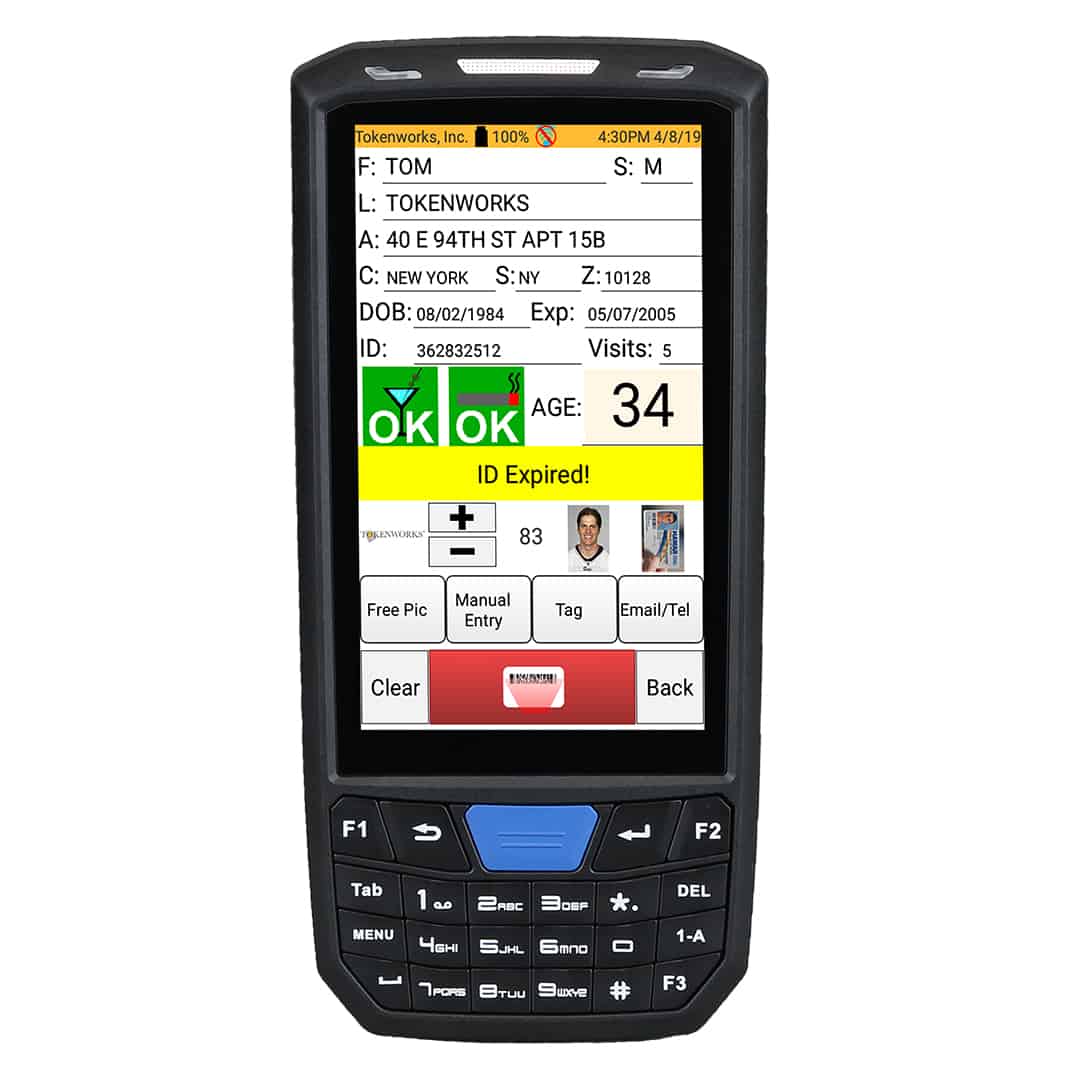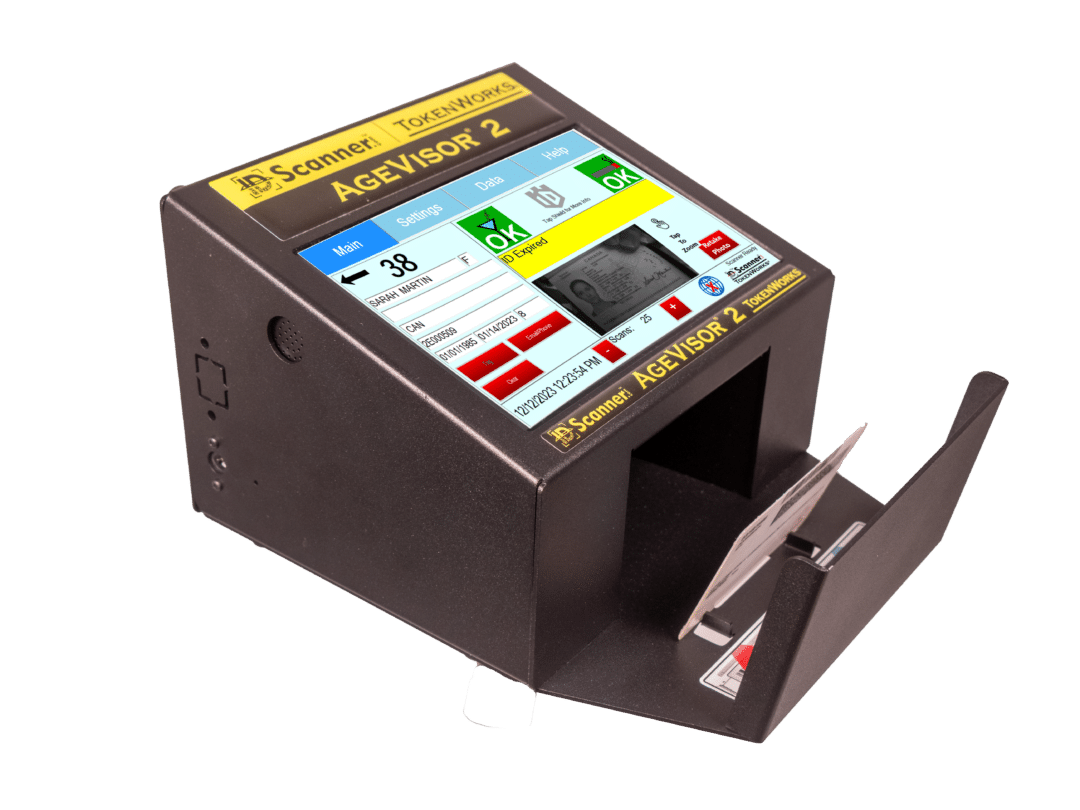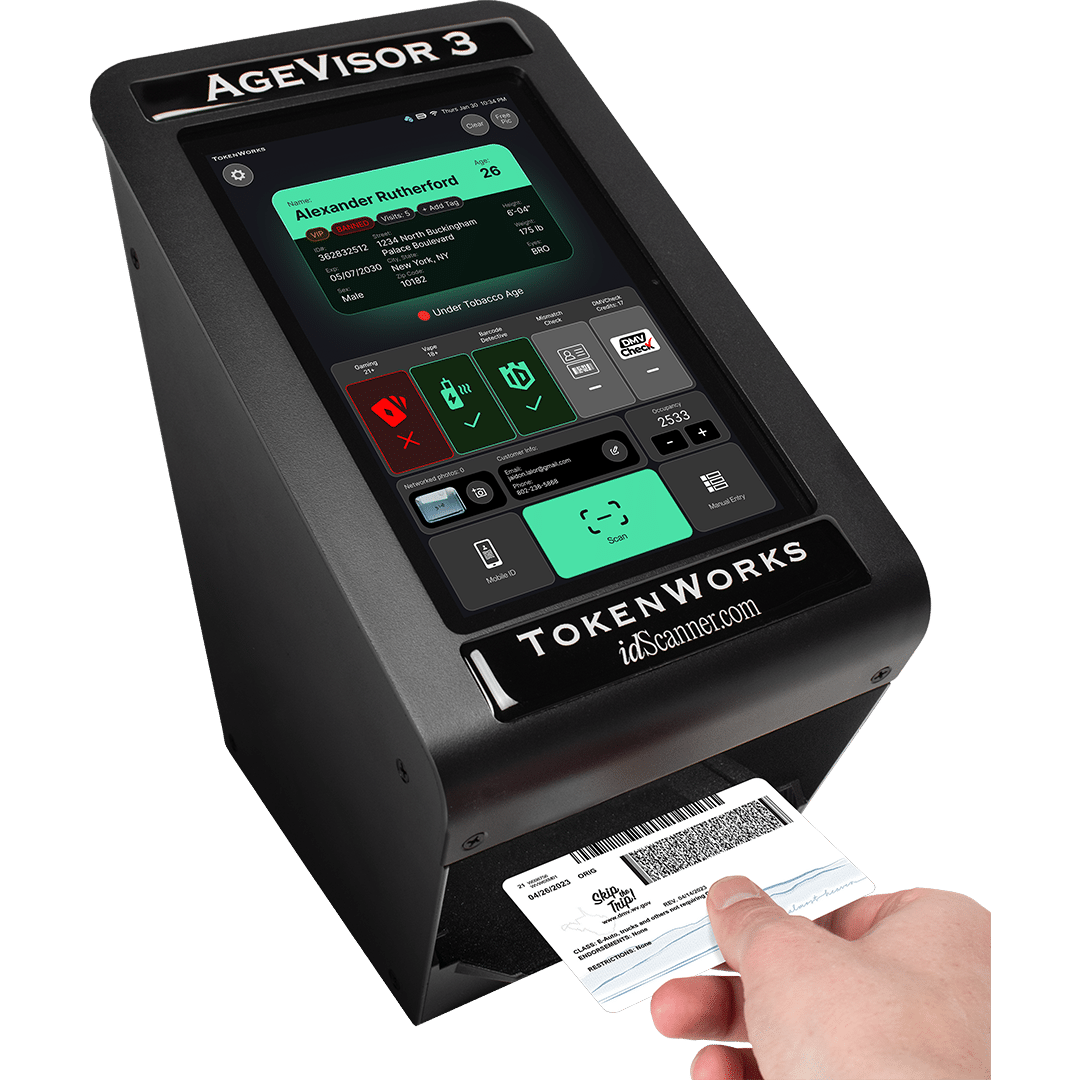


Minnesota does not require electronic ID scanning, and it does not tie any legal protection to scanning. What it does instead is define acceptable identification narrowly: under Minn. Stat. §340A.503, proof of age for alcohol can be established only by a short list of approved IDs, and a seller’s defense depends on proving good-faith reliance on one of them. Selling alcohol to anyone under 21 is a gross misdemeanor, and a customer is not legally 21 until 8:00 a.m. on their 21st birthday. Since 2023, the same age-21 line has also applied to adult-use cannabis and hemp-derived THC edibles and beverages, which are sold in dispensaries as well as liquor stores, bars, and convenience stores, backed by mandatory annual compliance checks. For Minnesota businesses, careful ID checks and good records are the protection.
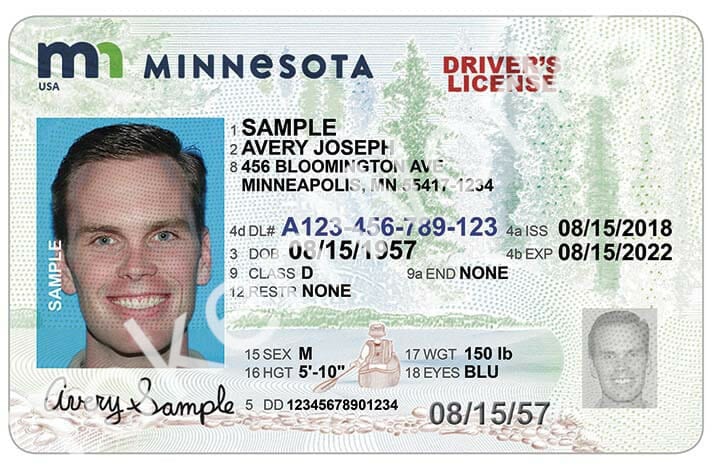
Minnesota makes it unlawful for any person to sell, barter, furnish, or give alcoholic beverages to anyone under 21 (§340A.503, subd. 2). A violation is a gross misdemeanor (§340A.702). The same section makes it unlawful to lend or knowingly allow someone under 21 to use your driver’s license or ID to buy alcohol, and it prohibits licensees from permitting anyone under 21 to drink on the licensed premises (§340A.503, subd. 1).
Any business licensed to sell alcohol in Minnesota, including on-sale and off-sale intoxicating liquor licensees, 3.2 percent malt liquor licensees, municipal liquor stores, and bottle clubs. In practice, that covers bars, nightclubs, restaurants, hotels, liquor stores, grocery stores, convenience stores, event venues, and city-owned municipal liquor stores.
For purposes of purchasing, possessing, consuming, selling, furnishing, and serving alcohol, a person is not 21 until 8:00 a.m. on the day of their 21st birthday. A customer celebrating at midnight is still legally 20 for the rest of that night. Staff who see today’s date as the birthday need to know that the answer is still no until 8:00 a.m.
Every licensee is responsible for conduct in the licensed establishment. Any alcohol sale by an employee authorized to sell is treated as the act of the licensee for purposes of Chapter 340A, except for the criminal penalty sections. In other words, the employee who makes an underage sale can be charged personally, and the business answers for the same sale on its license.
Minnesota law says proof of age for purchasing or consuming alcohol may be established only by one of the following:
The word “only” matters. Tribal identification cards, student IDs, employee badges, and foreign driver’s licenses (other than those from Canadian provinces) are not on the alcohol list. Minnesota identification cards issued to anyone under 21 are a distinguishing color and plainly marked “Under-21” (§171.07), which gives staff a quick visual cue.
A licensed retailer or municipal liquor store may seize a form of identification if it has reasonable grounds to believe the ID has been altered or falsified or is being used to violate any law. A seized ID must be delivered to a law enforcement agency within 24 hours.
Minnesota does not offer a scanner-based affirmative defense like the states covered in our affirmative defense guide. Instead, the statute provides a narrower defense built around the ID check itself.
In a prosecution for selling, bartering, furnishing, or giving alcohol to a person under 21, it is a defense for the defendant to prove by a preponderance of the evidence that they reasonably and in good faith relied on one of the forms of proof of age authorized in subdivision 6(a).
Here is what that means in practice:
An ID scanner does not create this defense, but it helps you prove it. A scan confirms that the document is a recognized ID type, that it has not expired, and that the date of birth shows 21 or older, and it creates a timestamped record that the check happened.
Minnesota has no statute that limits what a business may record from an ID scan for alcohol or tobacco age verification. That does not mean scan data is unregulated.
The practical approach for most Minnesota businesses is to keep only what you need, secure it, and decide in advance how long you will retain it.
Whether you run a bar, restaurant, hotel, liquor store, grocery store, convenience store, or event venue, Minnesota puts the weight of compliance on the quality of your ID check.
There is no safe harbor for using technology. Your protection is proof that staff checked an approved ID and reasonably relied on it. Consistent checks and documented results are what make that proof possible.
Alcohol, tobacco, cannabis, and hemp THC products do not share identical ID lists. Military IDs work for alcohol and tobacco but are not on the cannabis list. Tribal IDs work for cannabis but are not on the alcohol list. If you sell more than one age-restricted product, train staff on the differences.
Under the 8:00 a.m. rule, a customer who turns 21 today cannot be served before 8:00 a.m. Late-night birthday service is an underage sale.
License sanctions under §340A.415 can proceed separately from criminal charges, and the statutory defense is written for criminal prosecutions. Many Minnesota cities also adopt their own presumptive penalty schedules by ordinance.
Minnesota does not dictate retention rules for age verification scans, so the responsibility falls on you. Store only what you need and protect it.
Minnesota raised its tobacco sales age to 21 in 2020, and state law now matches the federal Tobacco 21 minimum. It is illegal for any person 21 or older to sell, give, or otherwise furnish tobacco, tobacco-related devices, or electronic delivery devices (e-cigarettes, vapes, and their components) to anyone under 21. A companion statute applies the same under-21 prohibition to nicotine and lobelia products that are not tobacco or electronic delivery devices (§609.6855).
Minnesota’s tobacco statutes tie ID checks to the same approved proof-of-age list used for alcohol (§340A.503, subd. 6). Federal regulations also require retailers to verify age with photo ID for any customer under 30.
Unlike the alcohol statute, Minnesota’s tobacco laws expressly use the term affirmative defense, and the defense reaches both criminal and administrative cases:
As with alcohol, the defense depends on an approved form of ID. The burden is on the seller.
Cities, towns, and counties license tobacco retailers. The licensing authority must conduct unannounced compliance checks at least once each calendar year at every location that sells tobacco, vapes, or nicotine products, using buyers at least 17 but under 21 working under the direct supervision of law enforcement or licensing staff. Local governments may adopt stricter tobacco ordinances (§609.685, subd. 4).
A tobacco licensee may seize an ID it reasonably believes is altered, falsified, or being used to violate the law, and must deliver it to law enforcement within 24 hours.
Minnesota legalized adult-use cannabis in 2023. The Office of Cannabis Management (OCM) regulates licensed businesses under Chapter 342. Before initiating a sale, an employee of a business licensed or endorsed for retail cannabis sales must verify that the customer is at least 21.
Proof of age may be established only by:
Note the two differences from the alcohol list: Tribal IDs are accepted for cannabis, and military IDs are not listed.
OCM rules require verification at two points. The retail area must be open only to people who are 21 or older or enrolled in the medical cannabis registry, and entrances must post a “No persons under 21 allowed” sign. The retailer must then confirm age or registry enrollment again when selling any regulated product, using an ID from the §342.27 list.
For online, app, or phone preorders, the retailer must collect the customer’s name, address, phone, email, and date of birth, and verify the name and age on an approved ID at pickup. Retailers may collect only the information necessary to complete the transaction, may use it only for that purpose, and must maintain a written data security and privacy procedure.
Minnesota also licenses lower-potency hemp edible retailers, the license held by many liquor stores, bars, restaurants, breweries, and convenience stores that sell THC seltzers and gummies. Before initiating a sale or completing a delivery, the retailer’s employee or contractor must verify that the customer is at least 21, and the same §342.27, subd. 4 ID list applies. A liquor store that sells both beer and THC beverages is working with two different approved ID lists at the same counter.
Cannabis delivery services must verify that the customer is at least 21 (or enrolled in the medical registry) before completing a delivery, using the §342.27, subd. 4 ID rules.
Local governments must conduct unannounced age verification compliance checks of every registered cannabis and hemp retailer at least once each calendar year, using buyers at least 17 but under 21. Under 2026 amendments, local governments now report compliance check results to OCM, including any failure to request ID or use of an age verification method that violates Chapter 342.
A cannabis retailer may seize an ID it reasonably believes is altered, falsified, or being used to violate the law, and must deliver it to law enforcement within 24 hours.
Before performing any tattoo or piercing on a client who states they are 18 or older, a technician must require proof of age: a valid state driver’s license or ID with photo and date of birth, a U.S. military ID, a valid passport, a resident alien card, or a Tribal identification card. Establishments must keep records of each procedure for three years, including the name, age, and current address from the client’s picture ID. Tattooing anyone under 18 is a gross misdemeanor regardless of parental consent.
Scrap metal dealers must create an electronic record of each purchase that includes a photocopy or electronic scan of the seller’s proof of identification, including the ID number. Proof of identification means a driver’s license, Minnesota ID, or other government-issued ID with the person’s photograph, full name, birth date, and signature. Records must be kept for three years. Since January 1, 2025, sellers of scrap copper must hold a state license, and dealers must scan that license or supporting documentation as part of the record. Dealers may not disclose customers’ personal information without consent except as required by law or to law enforcement, and must use reasonable safeguards to protect it.
Charitable pull-tab games are common in Minnesota bars. Before playing electronic pull-tabs, a player must present a valid picture ID showing date of birth. Organizations must require ID from winners of paper pull-tab prizes of $100 or more and from anyone cashing out $600 or more in electronic pull-tab credits, and must retain the winner’s identification for three and a half years. Outside of those prize receipts, organizations are not required to retain information from a player’s ID.
Suppliers of regulated precursor substances (chemicals that can be used to manufacture controlled substances) must report each transaction to the Bureau of Criminal Apprehension at least 21 days before delivery. Reports must include the purchaser’s driver’s license or state ID number and address taken from that ID. Suppliers must keep copies for five years.
The name, address, driver’s license number, and date of birth collected in Department of Natural Resources electronic licensing transactions (game and fish licenses, ski and horse passes, snowmobile trail passes, and recreational vehicle registrations) are classified as private data, with disclosure limited to specified purposes such as law enforcement.
Minnesota does not mandate scanning, but its laws reward businesses that can prove exactly what they checked and when. ID scanners help you:
With multiple age-restricted product categories and different approved ID lists for each, consistent technology-assisted checks take guesswork off the counter.
Minnesota enforces age verification through criminal penalties, license sanctions, and local administrative penalties.
No. Minnesota state law does not require electronic ID scanning for alcohol, tobacco, or cannabis sales. Scrap metal dealers are the exception in practice, since they must keep an electronic record with a photocopy or electronic scan of the seller’s ID. Cities can adopt stricter local ordinances, so check with your local licensing authority.
Not one tied to ID scanning. Minnesota provides a good-faith reliance defense: in a prosecution for selling to someone under 21, the seller can prove by a preponderance of the evidence that they reasonably and in good faith relied on an approved form of ID (§340A.503, subd. 6(b)). The defense is written for criminal prosecutions and does not expressly cover license sanctions.
Only a valid driver’s license or ID card from Minnesota, another state, or a Canadian province with photo and date of birth; a U.S. military ID; a U.S. passport; a valid instructional permit with photo and date of birth issued to someone of legal age; or, for foreign nationals, a valid passport (§340A.503, subd. 6(a)). Other documents do not support the statutory defense.
At 8:00 a.m. on their 21st birthday (§340A.503, subd. 5a). A customer who turns 21 at midnight cannot legally purchase or be served alcohol until 8:00 a.m. that day.
It depends on the product. Military IDs are on the approved list for alcohol and tobacco but not for cannabis or hemp THC products. Tribal IDs are on the approved list for cannabis, hemp THC products, and body art, but not for alcohol.
Yes. Minnesota has no alcohol- or tobacco-specific restriction on scanning or storing ID data. General laws still apply: stored names with driver’s license numbers trigger breach notification duties (§325E.61), and larger businesses covered by the Minnesota Consumer Data Privacy Act must follow data minimization and consumer rights requirements.
Yes. Alcohol retailers, tobacco licensees, and cannabis retailers may seize an ID they reasonably believe is altered, falsified, or being used to violate the law. The ID must be delivered to a law enforcement agency within 24 hours.
Yes. It is an affirmative defense to both criminal charges (§609.685, subd. 1a(b)) and local administrative penalties (§461.12, subd. 6) that the seller relied in good faith on an approved form of proof of age.
Yes. Lower-potency hemp edible retailers, including liquor stores, bars, and convenience stores that sell THC drinks, must verify that every customer is at least 21 before the sale, using the cannabis ID list in §342.27, subd. 4. These retailers are also subject to annual unannounced compliance checks.
None of Minnesota’s proof-of-age lists specifically address mobile or digital IDs, and Minnesota has not launched its own mobile driver’s license. Until the law or regulators say otherwise, the safest practice is to ask for a physical ID.
Sale to Persons Under 21 / Proof of Age / Good-Faith Defense (Minn. Stat. §340A.503)
Prohibits selling or furnishing alcohol to anyone under 21, lists the only acceptable forms of proof of age, sets the 8:00 a.m. birthday rule, provides a good-faith reliance defense, and authorizes seizure of false IDs.
Status: Active
Amended: 2015
Sale of Tobacco to Persons Under 21 (Minn. Stat. §609.685)
Prohibits selling tobacco, tobacco-related devices, and electronic delivery devices to anyone under 21. Affirmative defense for good-faith reliance on approved proof of age.
Status: Active
Amended: 2020
Cannabis Retail Age Verification (Minn. Stat. §342.27, Subd. 4; Minn. R. 9810.2501)
Requires age verification before every cannabis sale using a defined list of IDs, restricts retail areas to customers 21 and older, and limits data collected for online preorders.
Status: Active
Amended: 2016
Lower-Potency Hemp Edible Retailer Age Verification (Minn. Stat. §342.46, Subd. 3)
Requires hemp THC edible and beverage retailers to verify customers are 21 or older before every sale or delivery. Retailers are subject to annual age verification compliance checks under §342.22.
Body Art Proof of Age and Records (Minn. Stat. §146B.07)
Requires proof of age from body art clients and three-year retention of records that include ID information. Tattooing a minor is a gross misdemeanor.
Status: Active
Amended: 2017
Scrap Metal Dealer Records (Minn. Stat. §325E.21)
Requires an electronic purchase record with a photocopy or electronic scan of the seller’s ID, three-year retention, and protection of customer personal information.
Status: Active
Amended: 2026
Important Notes: Minnesota does not require electronic ID scanning and does not provide a scanner-based affirmative defense. Its protections depend on proving good-faith reliance on an approved form of ID, and the approved lists differ by product: military IDs are accepted for alcohol and tobacco but not cannabis, while Tribal IDs are accepted for cannabis but not alcohol. A person is not legally 21 for alcohol purposes until 8:00 a.m. on their 21st birthday. Tobacco, cannabis, and hemp retailers face mandatory annual compliance checks.
IDscanner.com by TokenWorks is not a legal organization, nor should anything on this page constitute legal guidance. It is meant to be a list of resources and helpful links. Please consult your attorney before making any decisions related to scanning IDs in your state.