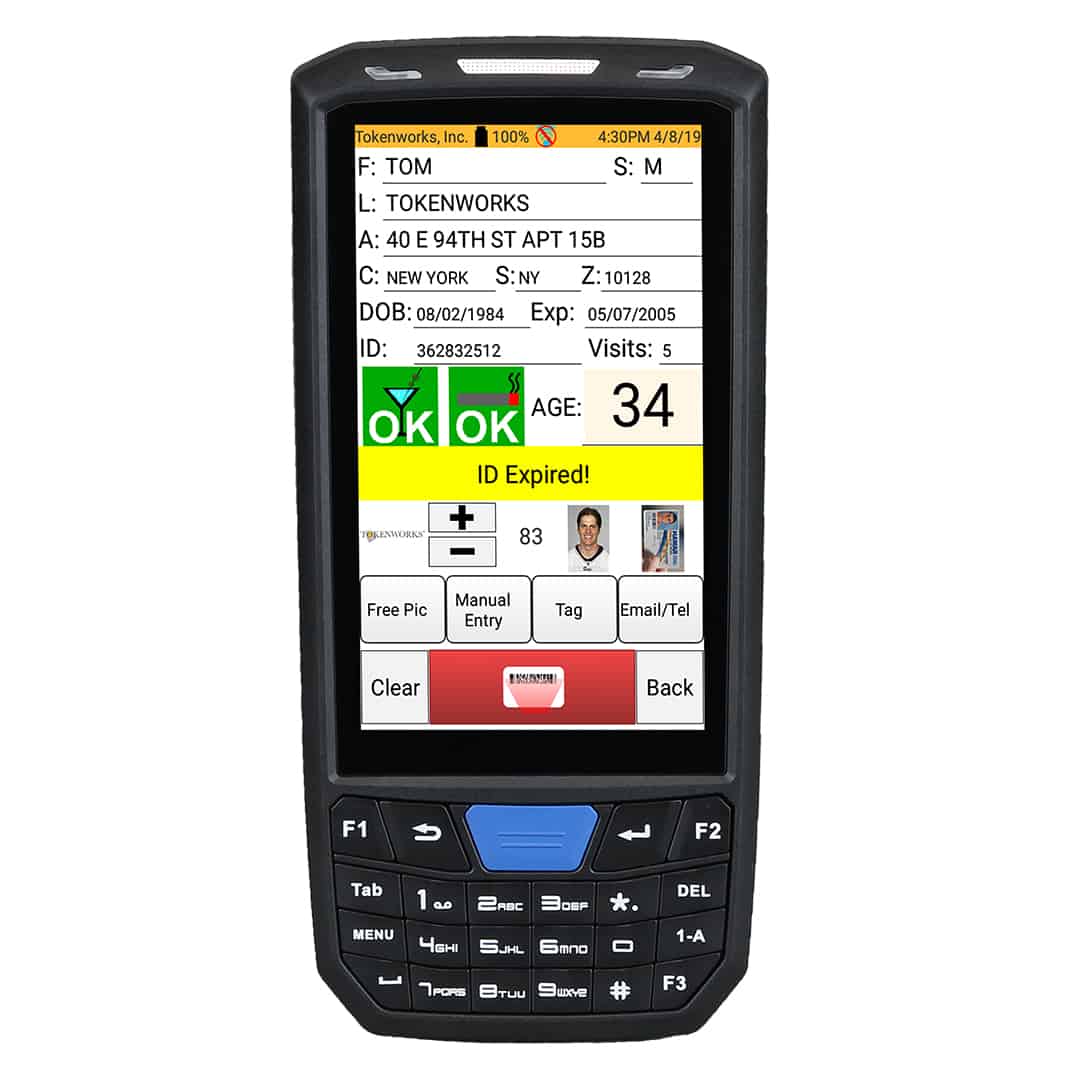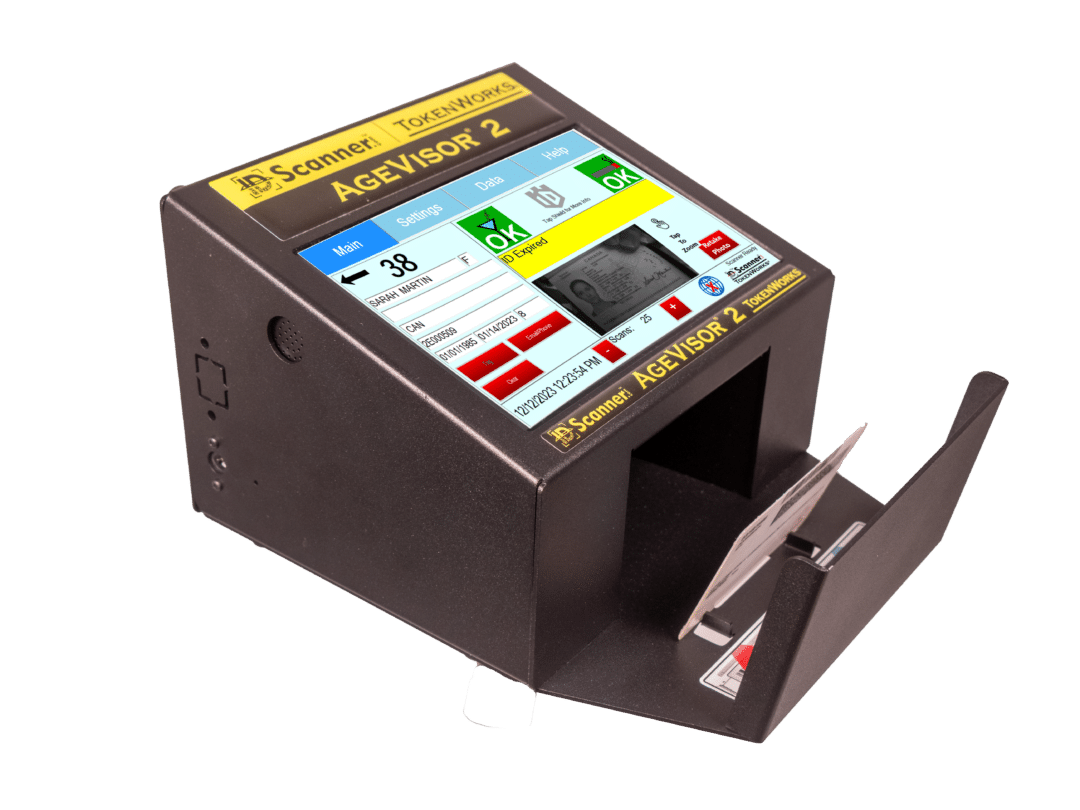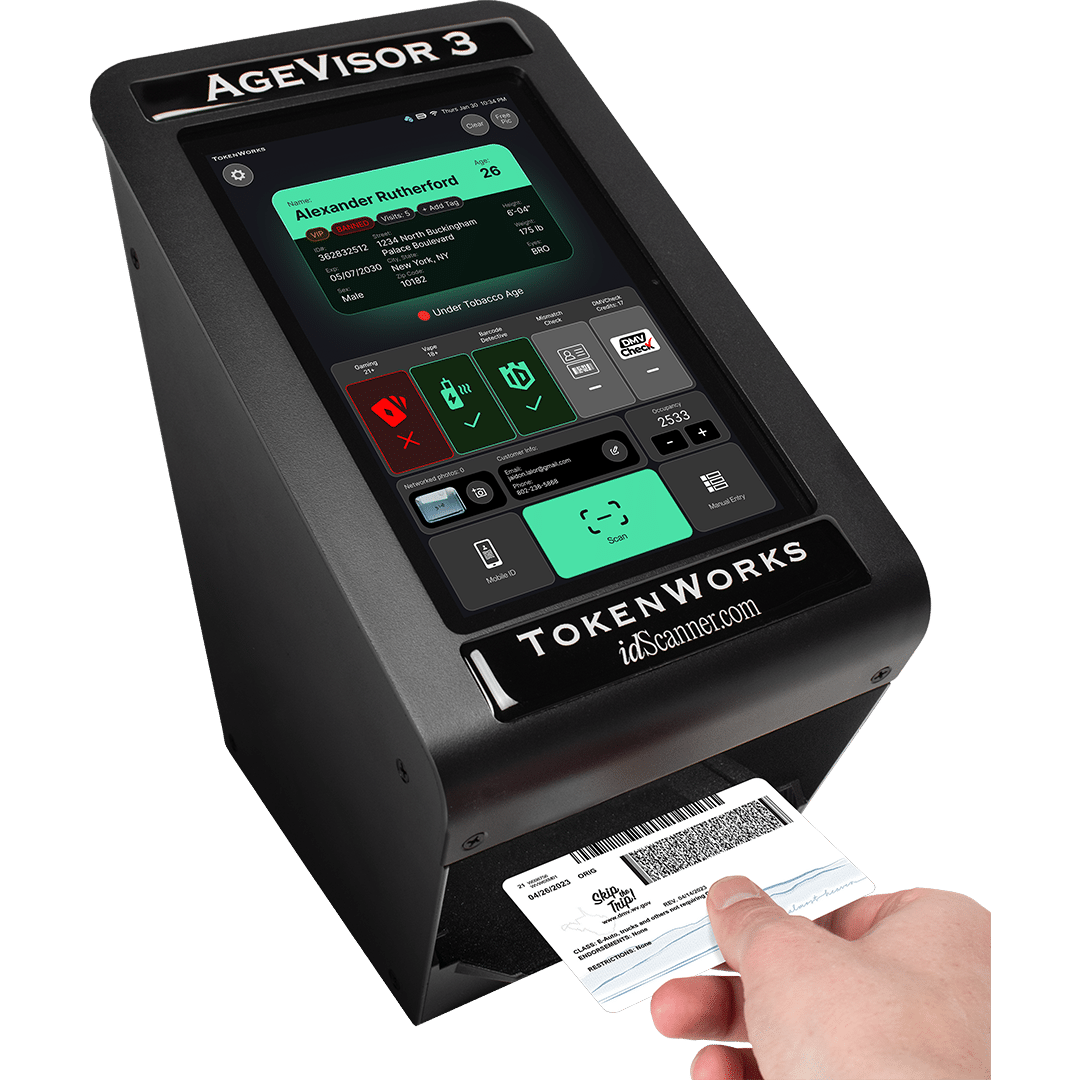


Colorado takes a distinctive approach to ID verification for alcohol sales. While the state doesn’t mandate electronic ID scanning for most licensees, its liquor rules explicitly authorize the use of biometric identity verification devices and provide a dedicated affirmative defense tier for businesses that use them. Between clear identification standards, a strong responsible vendor program, and Colorado’s acceptance of digital IDs, businesses selling alcohol need to understand the full compliance landscape.
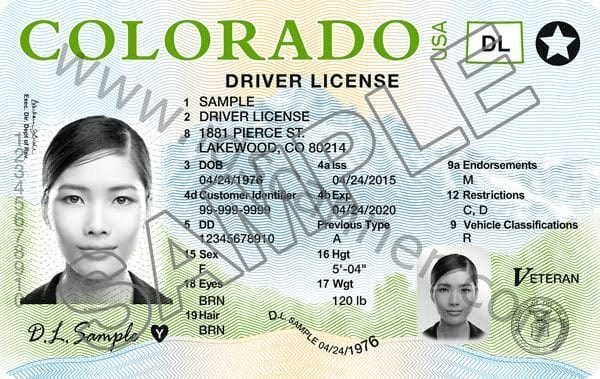
Colorado law makes it unlawful for any person to sell, serve, give away, dispose of, exchange, or deliver any alcohol beverage to a person under 21 years of age. Retail licensees are held to additional requirements, including a prohibition on permitting anyone under 18 to sell or dispense alcohol and a requirement that employees between 18 and 20 be supervised by someone at least 21 years old.
Any person or business licensed to sell alcohol in Colorado. This includes bars, nightclubs, restaurants, taverns, hotels, liquor stores, brew pubs, distillery pubs, event venues, grocery stores, and any other establishment operating under a Colorado alcohol beverage license.
Colorado law provides specific protections for licensees who encounter fraudulent IDs:
Colorado’s liquor rules define exactly what constitutes adequate identification and explicitly authorize two methods for verifying age.
Licensees may verify age by requiring adequate identification that contains a picture and date of birth. Acceptable forms include:
Colorado is one of the few states that explicitly authorizes the use of biometric identity verification devices for alcohol age verification. Under Regulation 47-912(A)(2), a biometric identity verification device is defined as a device that:
Before using a biometric identity verification device, the licensee must ensure the device provider has systems in place to:
If a liquor-licensed drugstore or fermented malt beverage and wine retailer uses a biometric identity verification device at a self-checkout machine, the licensee must not allow the consumer to complete the purchase without assistance from and completion of the entire transaction by an employee.
Colorado provides affirmative defense protection for licensees facing administrative action for an alleged sale to a minor. The licensee must establish, by a preponderance of the evidence, one of the following:
The minor presented fraudulent identification of an acceptable type, and the licensee possessed an identification book issued within the past two years that contained a sample of the specific kind of identification presented.
The licensee used and relied upon a biometric identity verification device that indicated the minor was 21 years of age or older. The licensee asserting this defense is responsible for obtaining and providing all records necessary to establish that the device was used for the transaction in question.
Colorado does not mandate electronic ID scanning for most license types. However, the biometric identity verification device defense is a distinct, standalone tier of affirmative defense, meaning businesses that invest in this technology have a dedicated legal protection that goes beyond visual ID inspection alone.
Colorado provides a limited exception for certain retail licensees. It is not unlawful for a retail liquor store, liquor-licensed drugstore, fermented malt beverage and wine retailer, or fermented malt beverage on/off premises retailer to sell alcohol to a consumer who is or reasonably appears to be over 50 years of age and who failed to present acceptable identification.
This exception does not apply to bars, restaurants, taverns, or other on-premises license types.
Colorado’s responsible vendor program provides meaningful benefits to licensees who maintain compliance. The program requires:
The training curriculum covers acceptable forms of identification (including Regulation 47-912), how to check IDs, spotting false identification, and intervention techniques for intoxicated persons.
Being designated as a responsible vendor is a mitigating factor when the state or local licensing authority assesses penalties for violations. This can result in reduced penalties or lower-category treatment of a violation.
Colorado accepts verified digital identification for alcohol age verification. The Colorado Digital ID, available through the myColorado app, is explicitly recognized in Regulation 47-912(A)(1) as adequate identification if it is valid and unexpired. Users can hide information not relevant to a transaction, showing only the data necessary for age verification.
Whether you operate a bar, restaurant, liquor store, brew pub, hotel, event venue, or grocery store, Colorado’s alcohol laws shape your daily operations.
Colorado doesn’t mandate ID scanning for most license types. However, using a biometric identity verification device gives you a dedicated affirmative defense tier under Regulation 47-912(B)(2) that isn’t available through visual ID checks alone.
Licensees may refuse to sell to anyone who cannot produce adequate identification. While the age-50 exception exists for certain off-premises retailers, best practice is to verify every customer’s age, especially since the penalty structure for underage sales is severe.
The Responsible Alcohol Beverage Vendor program isn’t just a best practice, it’s a mitigating factor in penalty assessments. Trained staff and responsible vendor designation can reduce the severity of any administrative action.
Colorado explicitly accepts the Colorado Digital ID for age verification. Train your staff to recognize and verify it alongside traditional physical IDs.
Unlike some states, Colorado does not currently have laws prohibiting or restricting the electronic scanning of IDs or the storage of data from scanned IDs in the alcohol sales context. However, the Colorado Privacy Act’s biometric data amendments (effective July 1, 2025) impose new consent and notice requirements on any entity collecting biometric identifiers, which may affect businesses using biometric identity verification devices.
Colorado does not have state-specific tobacco sales ID verification requirements beyond the federal Tobacco 21 law.
While electronic scanning isn’t required for tobacco sales, many businesses use ID scanners to streamline verification across both alcohol and tobacco transactions.
Colorado’s legal framework gives businesses that use electronic verification a meaningful advantage. Even without a scanning mandate for most licensees, ID scanners help you:
Colorado’s biometric identity verification device provision in Regulation 47-912 creates a distinct affirmative defense path that isn’t available through other verification methods. This makes Colorado one of the most scanner-friendly states in the country from a legal protection standpoint.
Colorado imposes both criminal and administrative penalties for alcohol violations. The penalty structure is tiered by severity.
Colorado’s penalty framework uses four levels of severity:
Penalties may also include license suspension, suspension held in abeyance, or license revocation. Responsible vendor designation is a mitigating factor that can reduce penalty severity.
No. Colorado does not mandate electronic ID scanning for most license types. However, the state explicitly authorizes the use of biometric identity verification devices and provides a dedicated affirmative defense for businesses that use them, making scanning a strong legal advantage even where it’s not required.
Under Regulation 47-912(A)(2), it’s a device that instantly verifies identity and age by scanning a biometric characteristic (fingerprint, iris, face, etc.), references the person against an acceptable form of ID, and contemporaneously provides the licensee with verification. The device provider must have systems in place for electronic authentication, secondary identity verification, and secure encrypted storage.
Yes. Colorado provides a specific affirmative defense tier for businesses that use biometric identity verification devices. If the device indicated the person was 21 or older and the licensee relied on those results, the licensee has an affirmative defense against administrative action for an alleged sale to a minor.
Yes. Colorado explicitly accepts verified digital identification, including the Colorado Digital ID available through the myColorado app, as adequate identification for age verification under Regulation 47-912(A)(1).
Yes. Licensees may refuse to sell alcohol beverages to any person unable to produce adequate identification of age, except that certain off-premises retailers cannot refuse to sell to a person who is or reasonably appears to be over 50 years of age.
Penalties depend on the circumstances. A first-offense sale to a minor (outside a compliance check) is a Level 2 violation with fines up to $25,000. Repeat offenses or sales that result in injury or death are Level 4 violations with fines up to $100,000. Responsible vendor designation is a mitigating factor.
Yes. Under Regulation 47-603(G), maintaining responsible vendor training certification is an explicit mitigating factor that the licensing authority must consider when assessing penalties. It can result in reduced fines or lower-category treatment of a violation.
Colorado does not currently restrict scanning IDs or storing data from scanned IDs in the alcohol sales context. However, the Colorado Privacy Act’s biometric data amendments (effective July 1, 2025) impose consent and notice requirements on entities collecting biometric identifiers, which may affect businesses using biometric verification devices.
Identification Requirements (Regulation 47-912)
Defines acceptable forms of ID, authorizes biometric identity verification devices, and establishes affirmative defense for both visual ID checks and biometric verification.
Status: Active
Amended: 2023
Underage Alcohol Sales (C.R.S. §44-3-901)
Prohibits selling, serving, or providing alcohol to persons under 21. Includes fraudulent ID confiscation provisions and protections for licensees acting in good faith.
Status: Active
Amended: 2024
Responsible Alcohol Beverage Vendor Program (Regulation 47-605)
Establishes training requirements and responsible vendor designation, which serves as a mitigating factor in penalty assessments.
Status: Active
Amended: 2023
Administrative Penalty Framework (Regulation 47-603)
Four-tiered penalty structure for alcohol violations, with fines ranging from $5,000 to $100,000 depending on severity.
Status: Active
Amended: 2020
Important Notes: Colorado is one of the few states that explicitly authorizes biometric identity verification devices for alcohol age verification and provides a dedicated affirmative defense for their use. While electronic scanning is not mandated for most license types, it provides the strongest available legal protection under state regulations.
IDscanner.com by TokenWorks is not a legal organization, nor should anything on this page constitute legal guidance. It is meant to be a list of resources and helpful links. Please consult your attorney before making any decisions related to scanning IDs in your state.