

New York has one of the most detailed ID verification frameworks in the country. The state defines “transaction scan devices” in statute, provides a multi-tiered affirmative defense system for alcohol sales, restricts what data can be recorded from scanned IDs, and explicitly accepts the New York State Mobile ID (MiD) for alcohol purchases. Between the Alcoholic Beverage Control Law and the Public Health Law, businesses selling alcohol and tobacco in New York need to understand both the protections available to them and the strict data limitations that apply.
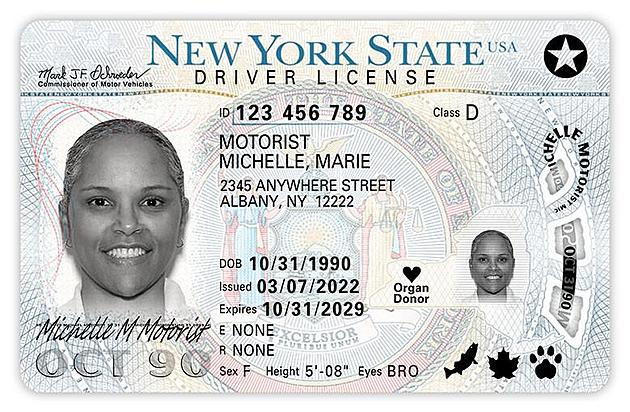
New York law prohibits any person from selling, delivering, or giving away any alcoholic beverage to any person actually or apparently under 21 years of age. Licensees who believe a person is under 21 must require proof of age before completing any sale.
Any person or business licensed to sell alcoholic beverages in New York. This includes bars, nightclubs, restaurants, taverns, hotels, liquor stores, grocery stores, event venues, and any other establishment operating under a New York State Liquor Authority (SLA) license.
No licensee may accept any documentation other than the following as written evidence of age:
New York accepts the New York State Mobile ID (MiD) as a permissible form of identification for the sale of alcohol and as a precondition for admission to licensed establishments. The SLA confirmed this in Advisory 2024-2, issued following the DMV’s launch of MiD on June 11, 2024. The MiD app contains all identity data from the holder’s physical ID, including age, date of birth, and expiration date.
A licensee who refuses to sell or deliver alcohol based on a good-faith belief that the person is underage is not liable in any civil or criminal action, except that sales may not be refused on account of race, creed, color, or national origin.
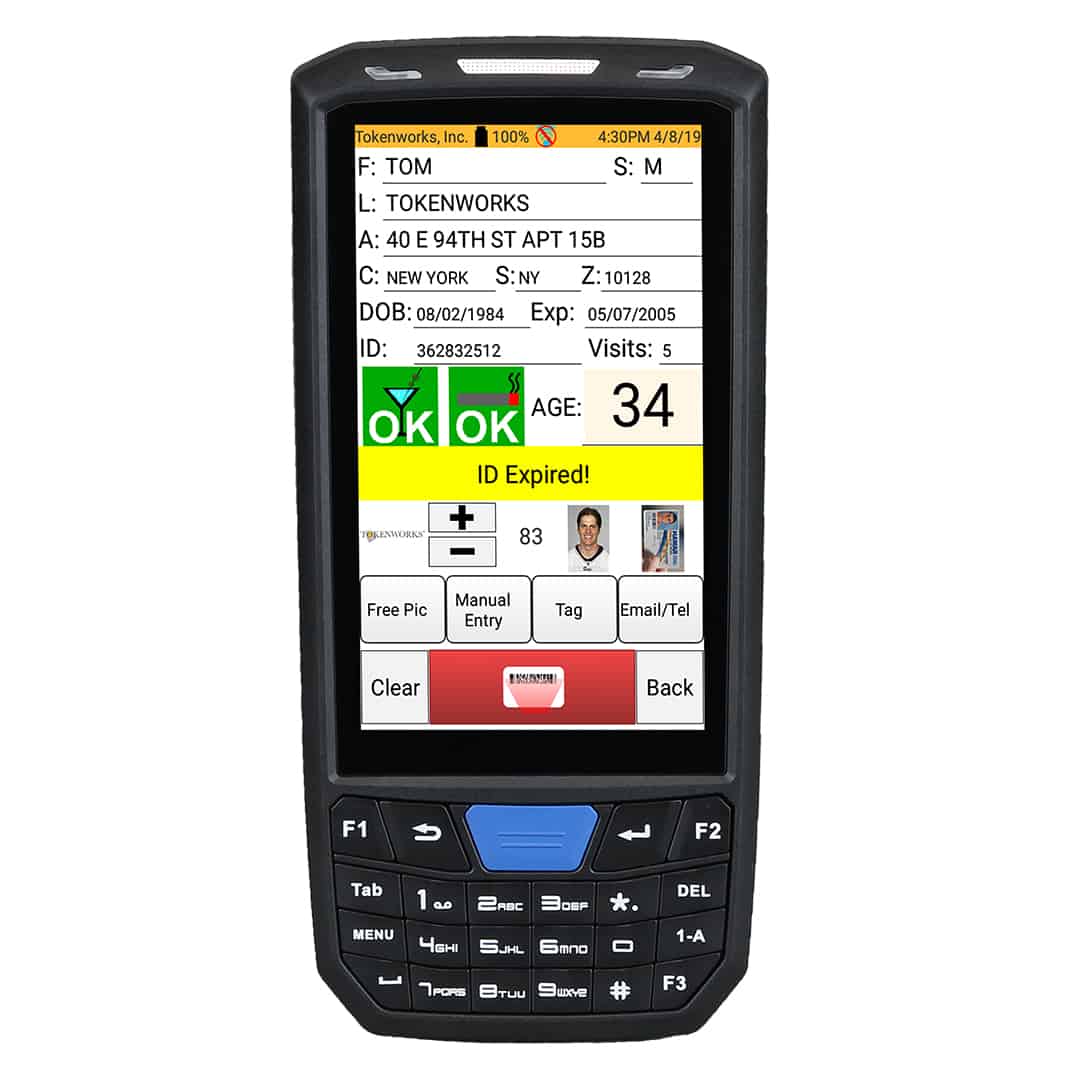
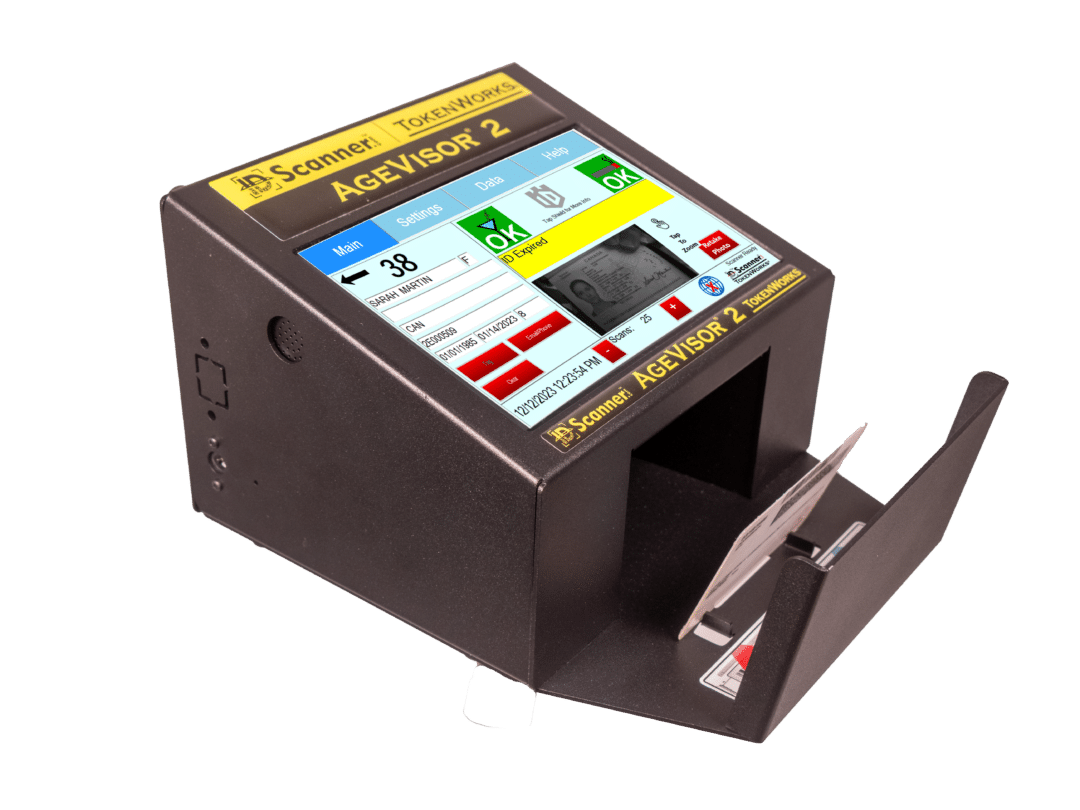
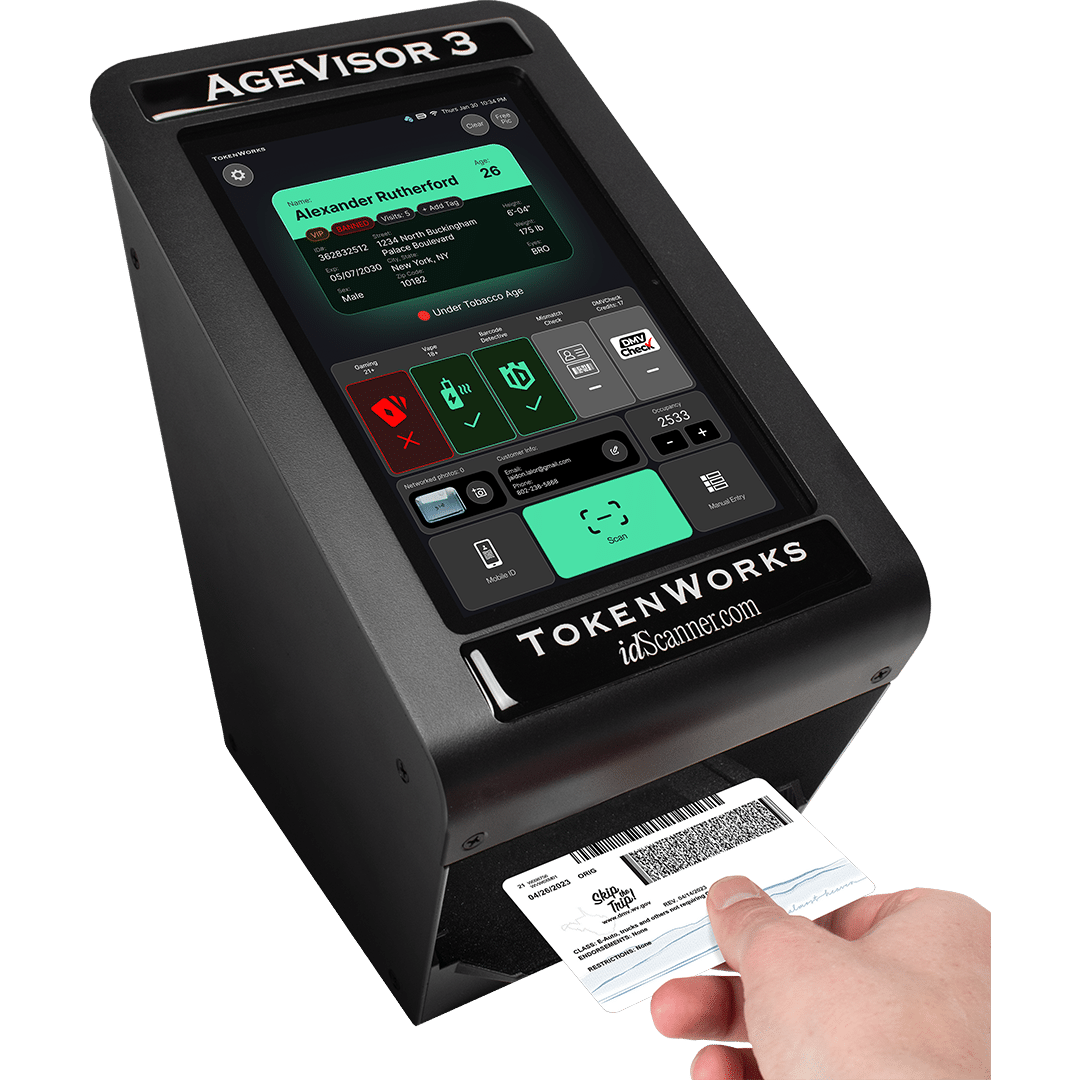
New York explicitly defines and authorizes the use of electronic ID scanning devices for alcohol sales.
A “device capable of deciphering any electronically readable format” (or “device”) means any commercial device or combination of devices used at a point of sale or entry that is capable of reading the information encoded on the magnetic strip or bar code of a driver’s license or non-driver identification card.
A “transaction scan” means the process by which a licensee reviews a driver’s license or non-driver identification card as a precondition for the purchase of an alcoholic beverage or admission to a licensed establishment.
Upon presentation of a driver’s license or non-driver ID, a licensee may perform a transaction scan as a precondition for the sale of any alcoholic beverage. If the transaction scan reveals that the information on the card does not match the encoded data, or if the scan indicates the information is false or fraudulent, the sale must be denied.
New York provides a multi-tiered affirmative defense system for licensees facing SLA administrative proceedings for alleged sales to minors.
It is an affirmative defense that the minor produced a photographic identification card apparently issued by a governmental entity, and that the alcoholic beverage was sold, delivered, or given in reasonable reliance upon such identification. The SLA will consider any written policy adopted and implemented by the seller when evaluating this defense.
It is an affirmative defense that at the time of the violation, the person who committed the alleged violation held a valid certificate of completion or renewal from an authorized Alcohol Training Awareness Program (ATAP). The licensee must have diligently implemented and complied with all provisions of the approved training program. The licensee must prove each element by a preponderance of the credible evidence. Three unlawful sales by any employee within a two-year period may be considered evidence that the licensee did not diligently implement the program.
It is an affirmative defense that the minor produced a driver’s license or non-driver identification card apparently issued by a governmental entity, successfully completed the transaction scan, and that the alcoholic beverage was sold in reasonable reliance upon both the identification and the transaction scan.
Important: The SLA will consider any written policy adopted and implemented by the seller. The use of a transaction scan device does not excuse a licensee from exercising reasonable diligence. This means staff must still verify that the photo matches the person, the name matches, and the ID has not been obviously tampered with.
Scope limitation: The affirmative defense under §65-b applies only to SLA administrative proceedings. It does not apply to civil or criminal proceedings.
If a charge is sustained for an underage sale and the licensee has had no adjudicated violations at the licensed premises within the previous five years, and either the employee held a valid ATAP certificate at the time of the violation or the licensee enrolls all relevant employees in ATAP within 90 days, the civil penalty may be reduced by 25%.
New York places strict limits on what data licensees may record and retain from transaction scans.
A licensee may electronically or mechanically record and maintain only the following information from a transaction scan:
Each violation of the data restriction provisions is punishable by a civil penalty of up to $1,000.
Whether you operate a bar, restaurant, nightclub, hotel, liquor store, grocery store, or event venue, New York’s alcohol laws provide clear incentives to invest in electronic ID verification.
New York’s Tier 3 affirmative defense under §65-b is only available to licensees who use a transaction scan device. Without electronic scanning, you’re limited to the weaker Tier 1 defense (visual ID check alone) or the training-based Tier 2 defense.
New York explicitly states that using a transaction scan device does not excuse the licensee from exercising reasonable diligence. Your staff must still compare the photo on the ID to the person, check that the name matches, and look for signs of tampering. The scan strengthens your defense, but only when combined with visual checks.
The SLA has confirmed that the New York State MiD is a permissible form of identification. Train your staff to recognize and verify it.
ATAP certification provides its own affirmative defense tier and unlocks a 25% penalty reduction for licensees with a clean five-year record. Combined with transaction scanning, ATAP gives you the strongest compliance position available under New York law.
New York restricts what you can record from a scan to four fields: name, date of birth, license number, and expiration date. You may not use scan data for marketing or sell it to third parties. Violations carry a $1,000 per-occurrence penalty.
New York prohibits the sale of tobacco products, herbal cigarettes, liquid nicotine, shisha, electronic cigarettes, rolling papers, and smoking paraphernalia to individuals under 21 years of age.
Licensees may perform a transaction scan as a precondition for tobacco purchases. The same transaction scan framework applies:
The same data restrictions apply to tobacco transaction scans as to alcohol: licensees may only record name, date of birth, license number, and expiration date. No resale or dissemination of scan data is permitted. Each violation carries a civil penalty of up to $1,000.
New York requires junk dealers purchasing certain metal items to obtain identification from sellers and file records with law enforcement.
New York’s legal framework directly rewards businesses that invest in electronic ID verification. The transaction scan device affirmative defense under §65-b is a protection that visual inspection alone cannot provide. ID scanners help you:
With New York’s multi-tiered defense system, the combination of a transaction scan device and ATAP certification provides the maximum legal protection available. For high-volume establishments, this combination is the strongest compliance strategy in the state.
New York imposes both criminal and administrative penalties for alcohol and tobacco violations.
No. New York does not mandate electronic ID scanning. However, using a transaction scan device unlocks a dedicated affirmative defense under ABC Law §65-b(7)(a) that is not available through visual ID inspection alone. This makes scanning a significant legal advantage.
Under ABC Law §65-b, it is any commercial device or combination of devices used at a point of sale or entry that can read the information encoded on the magnetic strip or bar code of a driver’s license or non-driver identification card issued by the commissioner of motor vehicles.
Yes. New York provides three tiers of affirmative defense: (1) presentation of photographic ID from a governmental entity, (2) holding a valid ATAP certificate, and (3) successful completion of a transaction scan combined with government-issued ID. The transaction scan defense under §65-b is the strongest tier, but only applies to SLA administrative proceedings, not to civil or criminal cases.
Yes. The SLA confirmed in Advisory 2024-2 that the New York State MiD, launched June 11, 2024, is a permissible form of identification for alcohol sales and admission to licensed establishments.
Only four fields: name, date of birth, driver’s license or non-driver identification number, and expiration date. You may not resell or disseminate any scan data. Each violation of these restrictions carries a civil penalty of up to $1,000.
No. The transaction scan affirmative defense under §65-b applies only to SLA administrative proceedings (license suspension, revocation, or cancellation proceedings under §118). It does not apply to criminal proceedings or civil lawsuits.
The Alcohol Training Awareness Program is a state-authorized training program. Holding a valid ATAP certificate is an independent affirmative defense (Tier 2) and also unlocks a 25% penalty reduction for licensees with a clean five-year violation history. Combined with a transaction scan device, ATAP provides the maximum legal protection available.
Yes. Under Public Health Law §1399-cc, it is an affirmative defense in administrative proceedings that the minor produced a government-issued ID, successfully completed a transaction scan, and the product was sold in reasonable reliance on both the ID and the scan.
Prohibited Sales / Affirmative Defense (ABC Law §65)
Prohibits sale of alcohol to persons under 21. Provides a two-tiered affirmative defense for photographic ID and ATAP certification. Penalty reduction available for clean-record licensees.
Status: Active
Amended: 2022
Transaction Scan Devices / Data Restrictions (ABC Law §65-b)
Defines transaction scan devices, authorizes their use, establishes a dedicated affirmative defense for licensees using them. Restricts recordable data to four fields and prohibits resale or dissemination.
Status: Active
Amended: 2006
Tobacco Sales to Minors (Public Health Law §1399-cc)
Prohibits sale of tobacco products to persons under 18. Authorizes transaction scans with affirmative defense. Same data restrictions as alcohol.
Status: Active
Amended: 2014
Junk Dealer / Scrap Metal Records (General Business Law §62)
Junk dealers must obtain government-issued ID from sellers of certain metals and file records with law enforcement.
Status: Active
Amended: 2007
Important Notes: New York provides one of the most detailed ID scanning frameworks in the country, with defined transaction scan devices, a multi-tiered affirmative defense system, strict data restrictions, and acceptance of Mobile ID. The affirmative defense for transaction scans applies only to SLA administrative proceedings, not to civil or criminal cases. Licensees using transaction scan devices must still exercise reasonable diligence.
IDscanner.com by TokenWorks is not a legal organization, nor should anything on this page constitute legal guidance. It is meant to be a list of resources and helpful links. Please consult your attorney before making any decisions related to scanning IDs in your state.