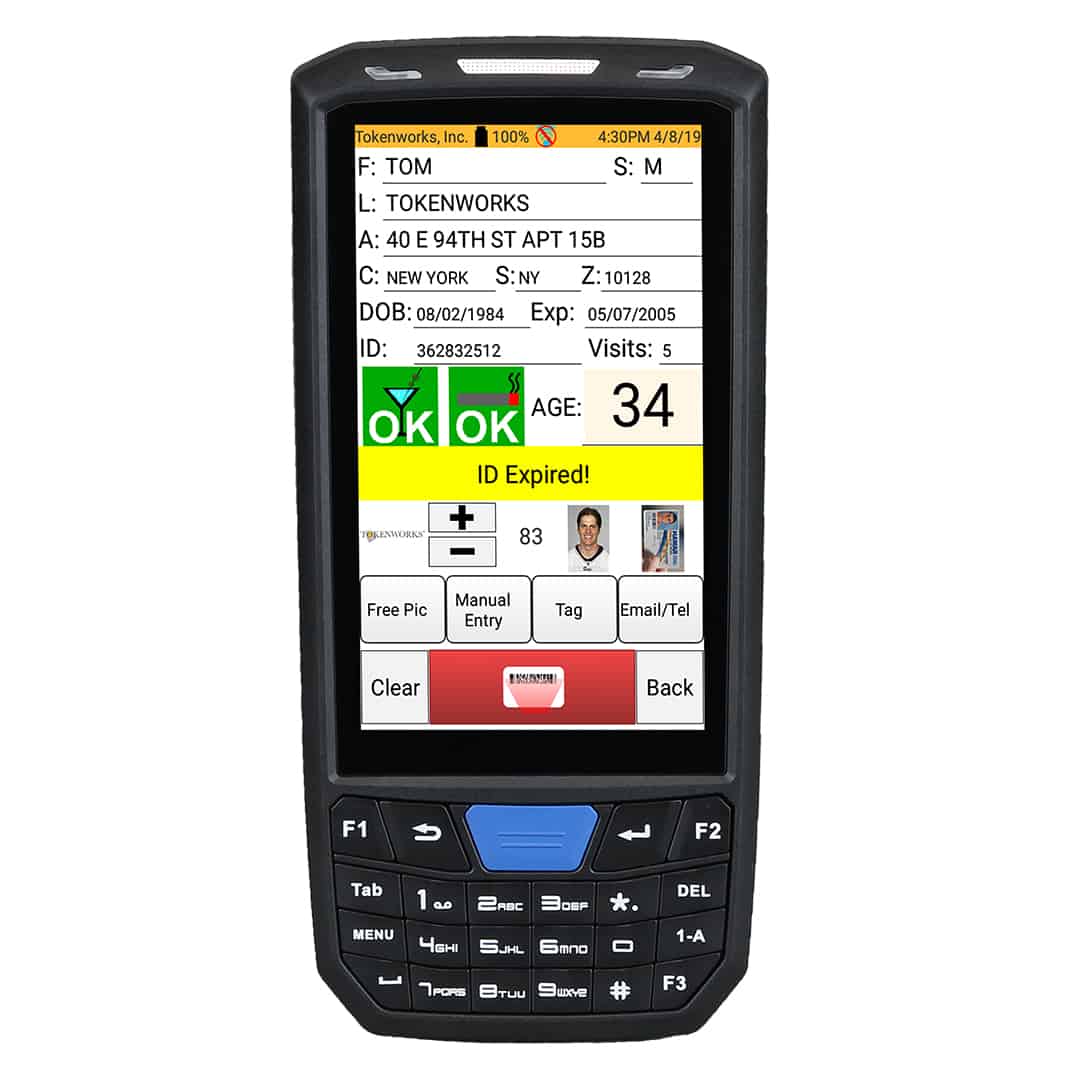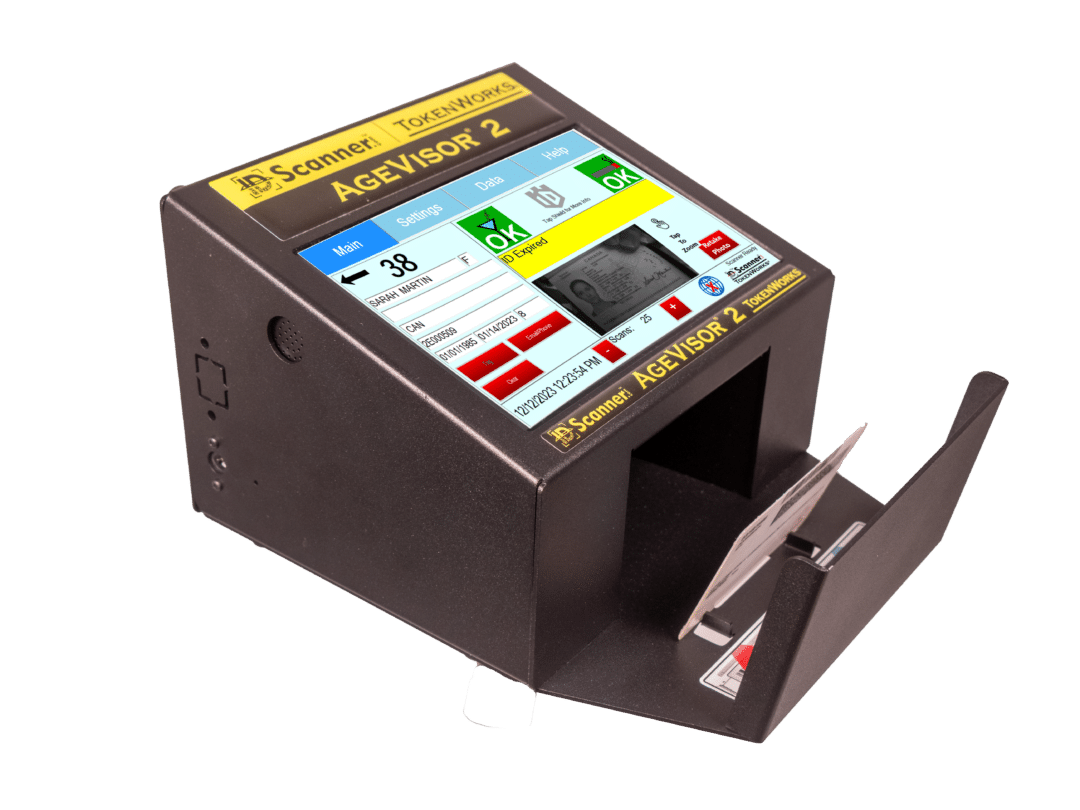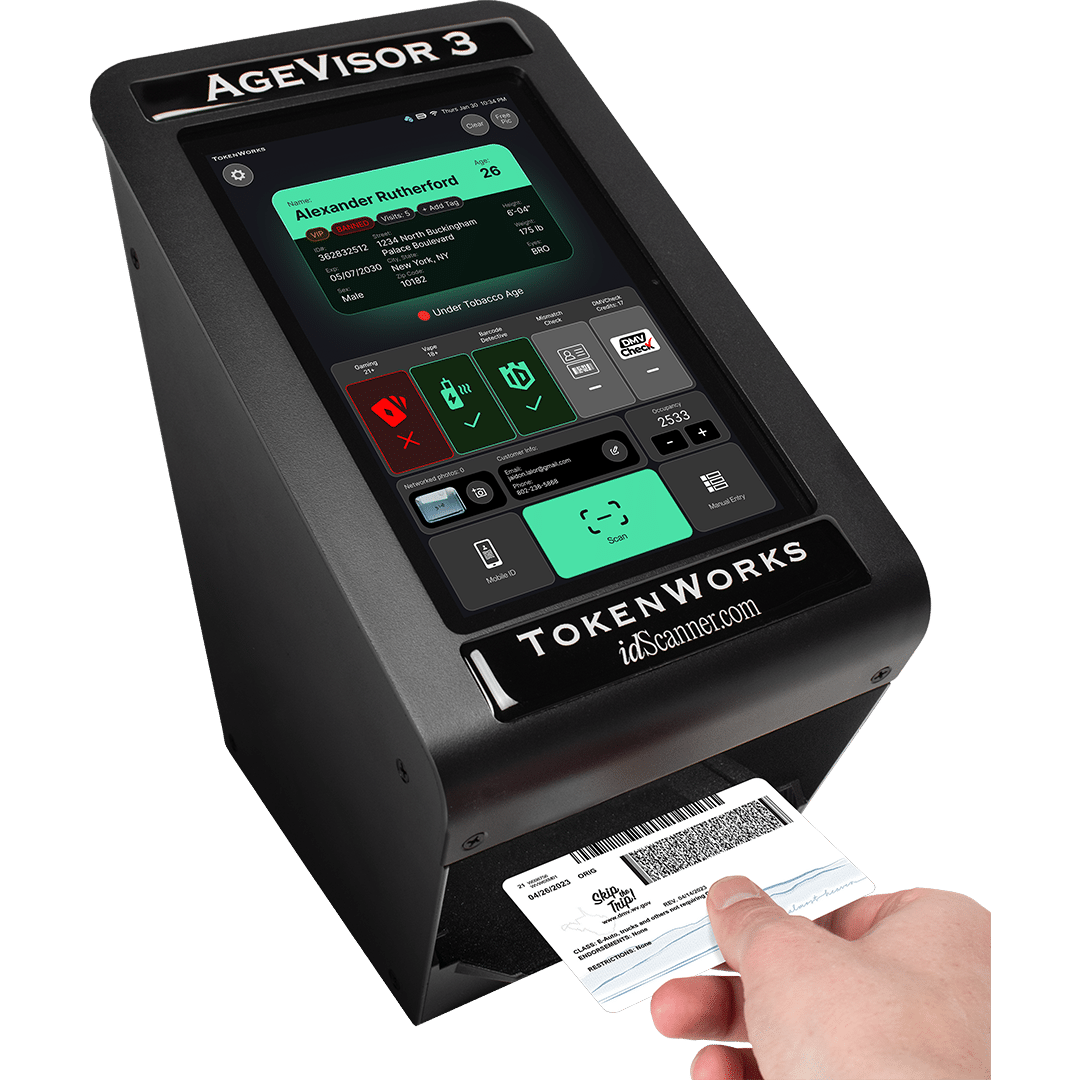


North Carolina provides one of the most comprehensive ID verification defense frameworks in the Southeast. The state recognizes three distinct paths to defend against underage alcohol sales, including a dedicated provision for biometric identification systems. North Carolina also requires the Division of Motor Vehicles to operate an electronic verification system that retailers and alcohol sellers can use to verify ID validity and date of birth, and the state extends parallel protections to tobacco sellers. Combined with strict scrap metal purchase documentation requirements, North Carolina businesses across multiple industries have clear incentives for electronic ID verification.
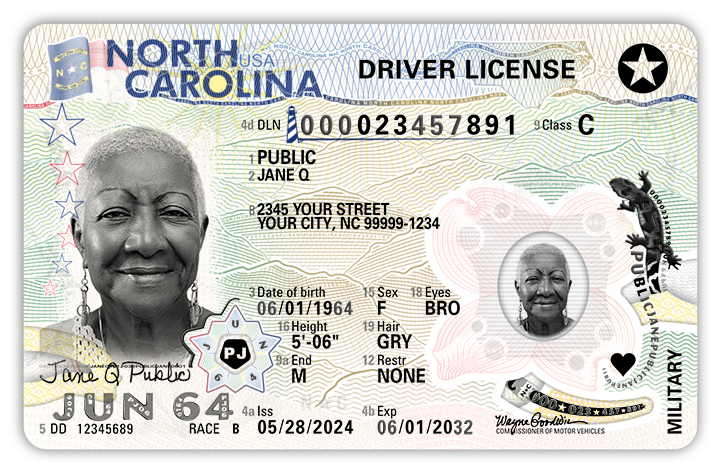
North Carolina law makes it unlawful for any person to sell or give malt beverages, unfortified wine, fortified wine, spirituous liquor, or mixed beverages to anyone less than 21 years old.
Any person or business holding an ABC permit in North Carolina. This includes bars, restaurants, taverns, hotels, ABC stores, grocery stores, convenience stores, event venues, and any other establishment operating under a North Carolina ABC permit.
Convictions are reported to the Division of Motor Vehicles, which may revoke the offender’s driver’s license.
North Carolina provides three distinct defense paths for sellers charged with selling alcohol to an underage person.
The seller shows that the purchaser produced one of the following forms of ID, showing the purchaser’s age to be at least the required age and bearing a physical description of the person reasonably describing the purchaser:
The seller produces evidence of other facts that reasonably indicated at the time of sale that the purchaser was at least the required age. This is a broader, circumstances-based defense that allows the court to consider the totality of the situation.
The seller shows that at the time of purchase, the purchaser utilized a biometric identification system that demonstrated both:
This tier provides the strongest statutory protection for businesses using electronic or biometric verification technology. The biometric system must link to a previously registered government-issued ID, creating a verified identity chain.
North Carolina law requires the Division of Motor Vehicles to establish and operate an electronic system that can be used by retailers and ABC permit holders to verify the validity of a consumer’s ID and date of birth. This system is designed to prevent the use of fictitious IDs for purchasing age-restricted products.
North Carolina makes it unlawful for any person to enter or attempt to enter a place where alcoholic beverages are sold, or to obtain or attempt to obtain alcoholic beverages, by using any of the following:
Whether you operate a bar, restaurant, hotel, ABC store, grocery store, convenience store, or event venue, North Carolina’s defense framework provides clear incentives for electronic verification.
North Carolina is one of the few states that provides three distinct defense tiers. The biometric identification system defense (Tier 3) gives businesses using scanning technology a dedicated statutory protection beyond visual ID checks alone.
The G.S. 20-37.02 electronic verification system provides a state-backed method for checking ID validity. Using this system and retaining the verification records creates documented evidence of compliance.
Unlike some states where any scan creates a defense, North Carolina’s biometric defense requires the purchaser to have previously registered a valid ID with the seller. This means the system must link the biometric data to a government-issued ID on file, creating a verified identity chain that’s difficult for minors using fake IDs to defeat.
Underage alcohol violations in North Carolina are reported to the DMV, which may revoke the offender’s driver’s license. This adds a significant deterrent beyond the criminal penalties alone.
North Carolina prohibits the distribution of tobacco products, tobacco-derived products, vapor products, and cigarette wrapping papers to any person under the age of 18 (with the federal minimum age of 21 also applying).
Proof of any of the following is a defense to any action for selling tobacco to a person under 18:
Distributors selling tobacco through the internet or remote sales methods must perform age verification through an independent, third-party age verification service that compares public records to personal information entered during the ordering process.
North Carolina requires secondary metals recyclers to maintain extensive electronic records and identification documentation for all purchase transactions involving regulated metals.
North Carolina’s legal framework directly rewards businesses that use electronic and biometric ID verification. The three-tier defense for alcohol, the three-path defense for tobacco, and the DMV electronic verification system all create clear incentives. ID scanners help you:
North Carolina’s biometric identification system defense is particularly valuable because it requires prior registration of a valid ID, creating a verified identity chain that’s significantly harder for minors to defeat with fake identification.
North Carolina imposes criminal and administrative penalties for alcohol and tobacco violations.
No. North Carolina does not mandate electronic ID scanning. However, the state provides a dedicated biometric identification system defense under §18B-302(d)(3) and authorizes the use of the DMV electronic verification system under G.S. 20-37.02. Both create strong incentives for electronic verification.
Yes. North Carolina provides three distinct defense tiers: (1) valid photo ID with physical description matching the purchaser, (2) other facts reasonably indicating the purchaser was of legal age, and (3) a biometric identification system verifying age through a previously registered ID.
Under §18B-302(d)(3), it is a system that demonstrates the purchaser’s age to be at least the required age and verifies that the purchaser had previously registered a valid government-issued ID (driver’s license, state ID, military ID, or passport) with the seller or seller’s agent.
Under G.S. 20-37.02, the DMV is required to operate an electronic system that retailers and ABC permit holders can use to verify the validity of a consumer’s ID and date of birth. Businesses may retain information from this system as necessary to provide evidence of verification.
Yes. Three defense paths are available: (1) demanded, was shown, and reasonably relied upon proof of age, (2) relied on the DMV electronic verification system, and (3) relied on a biometric identification system verifying age through a previously registered ID.
For the DMV electronic verification system, you may retain information as necessary to provide evidence that the consumer’s ID was validated or age verified. You may not collect, retain, transfer, or disclose information obtained through the system for other purposes.
Driver’s license, special identification card issued under G.S. 20-37.7 (or equivalent from another state), military identification card, or passport. The ID must show the purchaser’s age and bear a physical description reasonably describing the purchaser.
Using a fraudulent or altered ID, or an ID issued to another person, to purchase alcohol is a separate offense under §18B-302(e). Convictions are reported to the DMV for potential driver’s license revocation.
Sale to Underage Persons / Three-Tier Defense (G.S. §18B-302)
Prohibits sale of alcohol to persons under 21. Three-tier defense: valid photo ID, other reasonable evidence, or biometric identification system with prior registration.
Status: Active
Amended: 2021
DMV Electronic Verification System (G.S. §20-37.02)
Requires DMV to operate an electronic system for retailers and ABC permit holders to verify ID validity and date of birth. Data may only be retained for verification purposes.
Status: Active
Youth Access to Tobacco Products (G.S. §14-313)
Prohibits sale of tobacco, vapor products, and alternative nicotine products to persons under 18. Three-path defense including DMV electronic system and biometric identification system.
Status: Active
Amended: 2024
Secondary Metals Recycler Records (G.S. §66-421)
Requires electronic records, ID scanning/photocopying, video/photo documentation, and fingerprinting for certain transactions involving regulated metals.
Status: Active
Amended: 2021
Important Notes: North Carolina provides three distinct defense paths for both alcohol and tobacco sales, including a dedicated biometric identification system provision. The DMV electronic verification system (G.S. 20-37.02) provides a state-backed ID validation tool available to all retailers and ABC permit holders. The biometric defense requires prior ID registration, creating a verified identity chain that is more difficult for minors to defeat.
IDscanner.com by TokenWorks is not a legal organization, nor should anything on this page constitute legal guidance. It is meant to be a list of resources and helpful links. Please consult your attorney before making any decisions related to scanning IDs in your state.