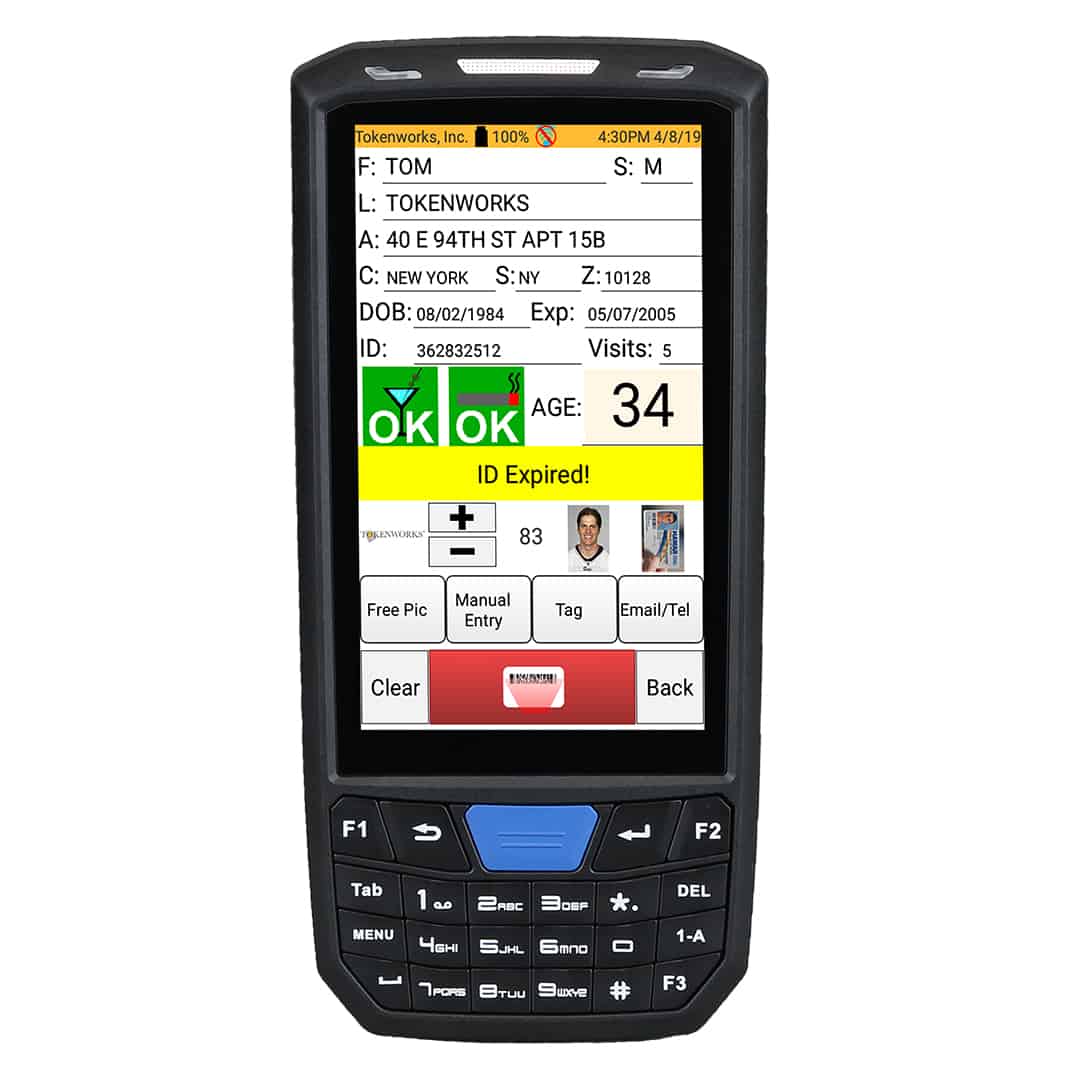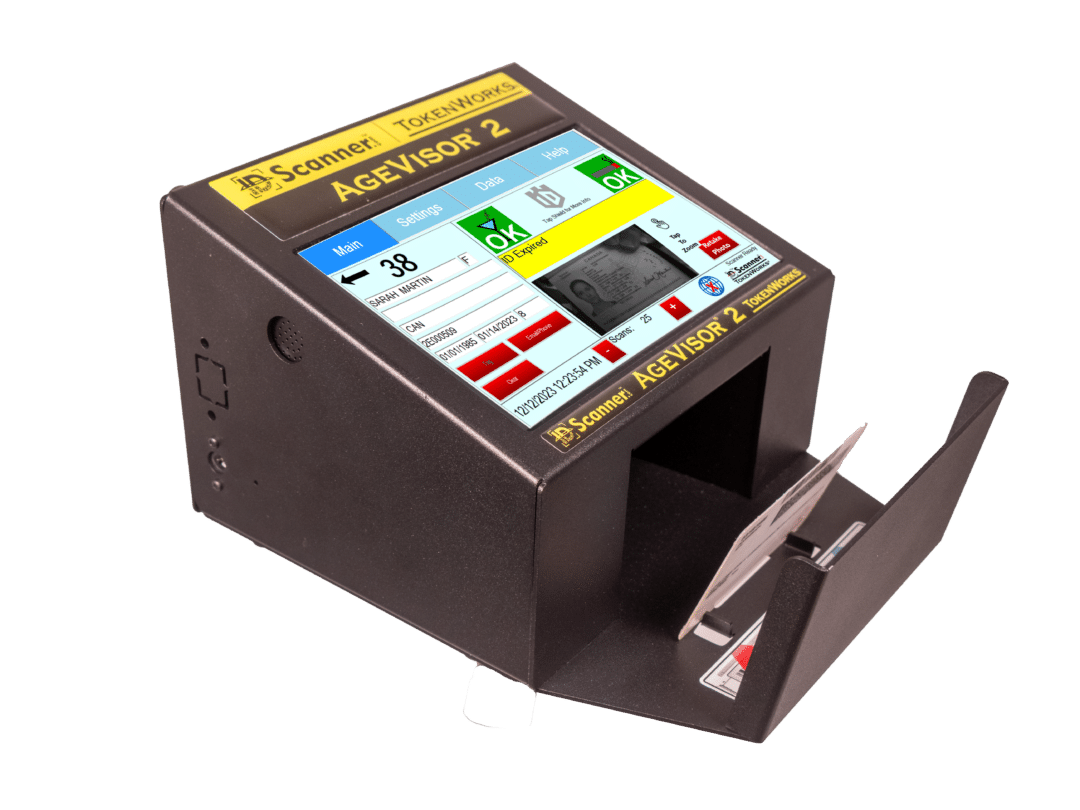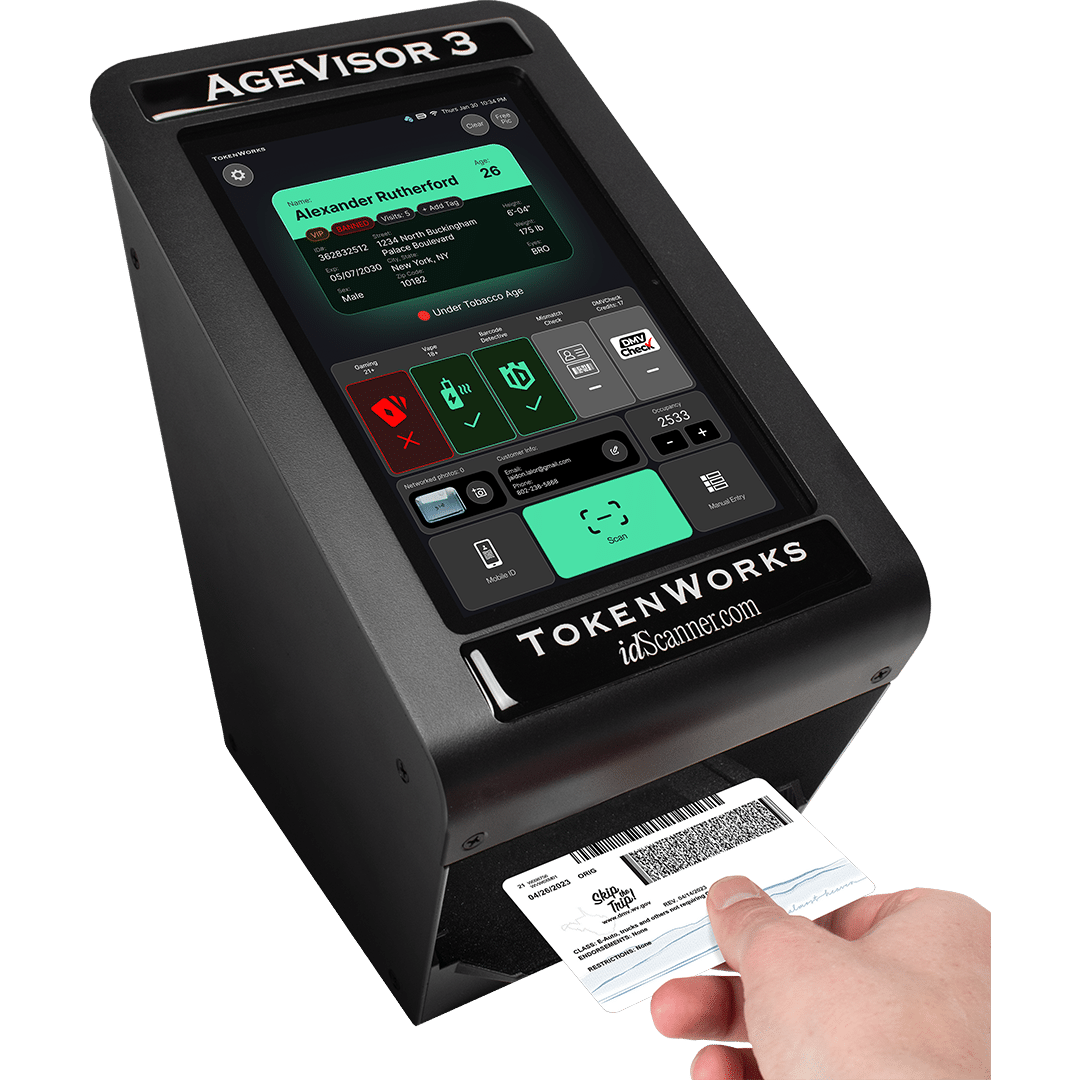


Ohio was one of the first states to establish a dedicated legal framework for transaction scan devices in alcohol and tobacco sales. The state’s Revised Code includes parallel statutes that define transaction scan devices, authorize their use, provide affirmative defense for both alcohol and tobacco, and impose strict data restrictions. Ohio’s framework is notable for its clarity: the affirmative defense requires three specific elements, and the law explicitly states that the transaction scan defense is in addition to the standard false-ID defense. For Ohio businesses, electronic scanning provides a distinct, dedicated layer of legal protection beyond visual ID inspection alone.

Ohio law prohibits any person from selling beer or intoxicating liquor to an underage person (under 21), buying beer or intoxicating liquor for an underage person, or furnishing it to an underage person, with limited exceptions for physician-prescribed use, established religious purposes, or supervision by a parent, non-underage spouse, or legal guardian.
Any person or business holding a permit issued under Chapter 4303 of the Ohio Revised Code. This includes bars, restaurants, taverns, hotels, liquor stores, grocery stores, convenience stores, event venues, private clubs, and any other establishment operating under an Ohio liquor permit.
Whoever violates §4301.69 is guilty of a misdemeanor of the first degree, punishable by up to 6 months imprisonment and/or up to $1,000 fine. Permit holders also face administrative action from the Ohio Liquor Control Commission, including permit suspension or revocation.
Ohio’s transaction scan statute provides a comprehensive framework for electronic ID verification in alcohol sales.
A “transaction scan” is the process by which a permit holder checks, by means of a transaction scan device, the validity of a driver’s or commercial driver’s license or an identification card as a condition for purchasing any beer, intoxicating liquor, or low-alcohol beverage, or for gaining admission to a premises where admission is restricted to persons 21 or older.
A “transaction scan device” is any commercial device or combination of devices used at a point of sale that is capable of deciphering in an electronically readable format the information encoded on the magnetic strip or bar code of a driver’s or commercial driver’s license or an identification card.
A permit holder or their agent or employee may perform a transaction scan to check the validity of a driver’s license or identification card. If the scan reveals that the information does not match what is printed on the ID, or if the scan indicates the information is false or fraudulent, the permit holder may not sell any beer, intoxicating liquor, or low-alcohol beverage to that person.
Permit holders may also use a transaction scan device to check documents other than driver’s licenses or state ID cards, provided the document includes a bar code or magnetic strip that can be scanned.
Ohio places strict limits on what data permit holders may record from transaction scans:
What you may record:
What you may not do:
Penalty for data violations: Up to $1,000 civil penalty per violation.
Ohio provides a dedicated affirmative defense for permit holders and their agents or employees who use transaction scan devices.
A permit holder cannot be found guilty of a violation of the Liquor Control Law in which the age of a purchaser is an element if the permit holder raises and proves all three of the following:
The use of a transaction scan device does not excuse a permit holder from exercising reasonable diligence. In evaluating the defense, the Ohio Liquor Control Commission or court will consider:
The transaction scan affirmative defense under §4301.611 is explicitly in addition to the defense provided by §4301.639 (the standard false-ID defense). This means Ohio businesses have two distinct layers of legal protection: the basic false-ID defense and the transaction scan defense.
Whether you operate a bar, restaurant, hotel, liquor store, grocery store, convenience store, or event venue, Ohio’s legal framework gives you clear incentives to invest in electronic verification.
The §4301.611 defense is only available to businesses that use a transaction scan device. Without scanning, you’re limited to the §4301.639 false-ID defense alone. Scanning gives you a second, independent layer of protection.
Ohio explicitly states that the transaction scan defense requires “reasonable reliance” on both the ID and the scan. Staff must still compare the photo, check the physical description, and look for signs of tampering. The scan strengthens your defense, but only when combined with diligent visual inspection.
Ohio law specifically directs the Commission and courts to consider any written policy the permit holder has implemented to prevent underage sales. Having a documented ID verification policy works in your favor when asserting the affirmative defense.
Ohio limits recordable scan data to four fields: name, date of birth, expiration date, and ID number. Data may only be used for affirmative defense purposes. No marketing, no third-party dissemination. Violations carry a $1,000 civil penalty per occurrence.
Ohio prohibits the sale, gift, or other distribution of cigarettes, other tobacco products, or alternative nicotine products to persons under 21 years of age.
Ohio provides a parallel transaction scan framework for tobacco sales that mirrors the alcohol statute.
A seller or their agent or employee may perform a transaction scan to check the validity of a driver’s license or identification card presented as a condition for purchasing tobacco products. If the scan reveals a mismatch or indicates false or fraudulent information, the seller may not sell tobacco products to that person.
The same restrictions apply as for alcohol scans:
Ohio provides an affirmative defense for tobacco sales that parallels the alcohol defense.
A seller cannot be found guilty of a violation of §2927.02 in which the age of the purchaser is an element if the seller raises and proves all three of the following:
As with alcohol, the use of a transaction scan device does not excuse the seller from exercising reasonable diligence. The trier of fact will consider written policies and whether the seller verified that the person appeared to match the ID.
Ohio’s legal framework directly rewards businesses that use transaction scan devices. The §4301.611 and §2927.022 affirmative defenses are only available to businesses that scan. ID scanners help you:
Ohio’s parallel frameworks for alcohol and tobacco mean that a single investment in scanning technology protects your business across both product categories.
Ohio imposes criminal, civil, and administrative penalties for alcohol and tobacco violations.
No. Ohio does not mandate electronic ID scanning. However, using a transaction scan device unlocks a dedicated affirmative defense under §4301.611 that is not available through visual ID inspection alone. This makes scanning a significant legal advantage.
Yes. Under §4301.611, a permit holder who performs a transaction scan, receives a valid result, and sells in reasonable reliance on both the ID and the scan has an affirmative defense against charges in which age is an element. This is in addition to the standard false-ID defense under §4301.639.
Under §4301.61, it is any commercial device or combination of devices used at a point of sale that can decipher in an electronically readable format the information encoded on the magnetic strip or bar code of a driver’s or commercial driver’s license or identification card.
Only four fields: name, date of birth, expiration date, and identification number. The data may only be used for affirmative defense purposes. No marketing, no third-party sales. Violations carry a $1,000 civil penalty per occurrence.
Yes. Under §4301.611, the defense applies in proceedings before the Liquor Control Commission and in criminal actions in which the age of the purchaser is an element of the alleged violation.
Yes. Under §2927.022, the same three-element defense applies to tobacco sales: valid ID presented, successful transaction scan, and sale in reasonable reliance on both. The same reasonable diligence requirements and written policy considerations apply.
No. Ohio explicitly states that the use of a transaction scan device does not excuse a permit holder from exercising reasonable diligence. Staff must still verify that the photo and description on the ID match the person presenting it.
Yes. §4301.61(B)(3) allows permit holders to scan documents other than driver’s licenses or state ID cards, provided the document includes a bar code or magnetic strip. However, the affirmative defense under §4301.611 specifically references driver’s or commercial driver’s licenses and identification cards.
Transaction Scan Devices (ORC §4301.61)
Defines transaction scan devices, authorizes their use for alcohol sales and age-restricted admission. Restricts recordable data to four fields. Prohibits data marketing and third-party dissemination. Civil penalty up to $1,000 per violation.
Status: Active
Amended: 2015
Affirmative Defense for Alcohol (ORC §4301.611)
Three-element affirmative defense for permit holders using transaction scan devices. Applies to Liquor Control Commission proceedings and criminal actions. In addition to the standard false-ID defense under §4301.639.
Status: Active
Effective: September 21, 2000
Tobacco Transaction Scan (ORC §2927.021)
Parallel transaction scan framework for tobacco and alternative nicotine product sales. Same data restrictions and civil penalty structure as alcohol.
Status: Active
Amended: 2014
Affirmative Defense for Tobacco (ORC §2927.022)
Three-element affirmative defense for tobacco sellers using transaction scan devices. Mirrors the alcohol defense structure.
Status: Active
Amended: 2019
Important Notes: Ohio provides parallel affirmative defense frameworks for both alcohol and tobacco sales through transaction scan devices. The transaction scan defense under §4301.611 is explicitly in addition to the standard false-ID defense under §4301.639, giving permit holders two distinct layers of legal protection. Data restrictions limit recordable information to four fields, and all scan data may only be used for affirmative defense purposes.
IDscanner.com by TokenWorks is not a legal organization, nor should anything on this page constitute legal guidance. It is meant to be a list of resources and helpful links. Please consult your attorney before making any decisions related to scanning IDs in your state.