

Hawaii combines one of the most detailed ID scanning privacy statutes in the country with a general good-faith defense for alcohol sales. The state’s Personal Information Protection Act (HRS §487J-6) explicitly authorizes scanning IDs for age verification but prohibits retaining any data from those scans. Meanwhile, Hawaii’s alcohol defense requires only that the licensee was misled by the minor’s appearance and acted in good faith, without specifically requiring inspection of an identification card. For businesses operating in Hawaii’s tourism-heavy market, where high-volume establishments serve visitors from across the world, understanding both the scanning authorization and the strict data restrictions is essential.

Hawaii law prohibits any licensee from selling or allowing the consumption of liquor by a person under 21 years of age.
Any person or business holding a liquor license issued by a county liquor commission in Hawaii. This includes bars, restaurants, nightclubs, hotels, resorts, liquor stores, grocery stores, convenience stores, event venues, cabarets, and any other establishment operating under a Hawaii liquor license.
Hawaii provides a general good-faith defense for licensees who sell to a minor.
The sale of liquor to a minor is not deemed to be a violation if, at the time, the licensee:
The burden is on the licensee to prove that they acted in good faith.
Unlike most states in this series, Hawaii’s defense does not specifically require the licensee to have inspected an identification card. The defense is based on the minor’s appearance and attending circumstances, not on documentary proof. While this means an ID check isn’t technically a legal prerequisite for the defense, checking ID is the most reliable way to demonstrate good faith in practice.
Any adult who provides or purchases liquor for consumption or use by a person under 21 is guilty of an offense under §712-1250.5.
No minor may consume or purchase liquor or have liquor in their possession or custody in any public place, public beach, public park, or motor vehicle on a public highway (with exceptions for employment delivery, religious ceremonies, and law enforcement controlled purchases).
No minor may falsify any identification or use any false identification, identification of another person, or identification of a fictitious person for the purpose of buying or attempting to buy liquor or obtaining employment to sell or serve liquor on licensed premises.
Persons 18-20 may sell or serve liquor only in licensed establishments where selling or serving is part of their employment and where there is proper supervision to ensure minors do not consume the liquor.
Whether you operate a bar, restaurant, hotel, resort, nightclub, liquor store, grocery store, or event venue, Hawaii’s framework has important implications.
Hawaii’s good-faith defense is based on appearance and circumstances, not on documentary proof. However, demonstrating “good faith” is significantly easier when you can show you checked the person’s ID. An ID scanner creates documented, contemporaneous evidence of verification.
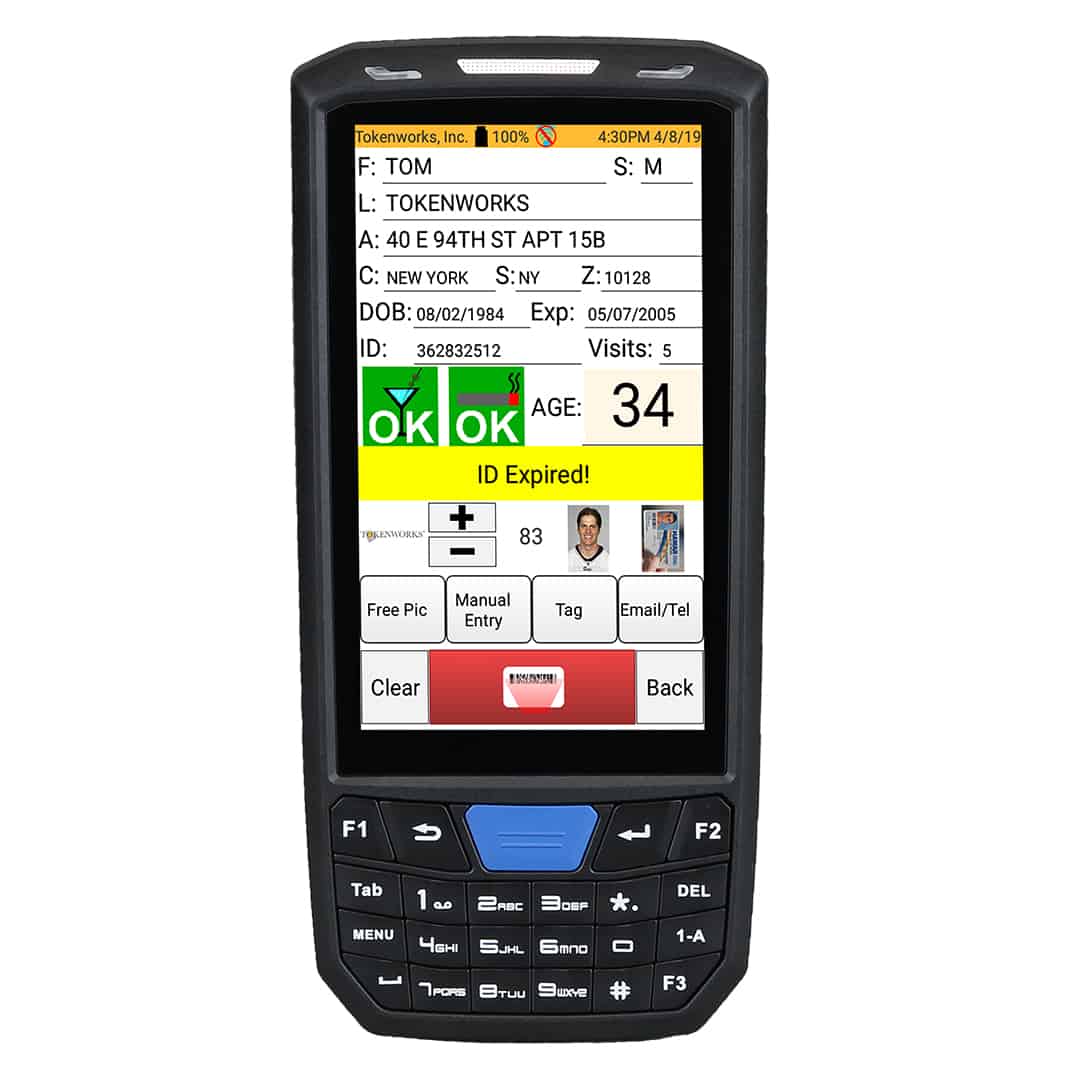
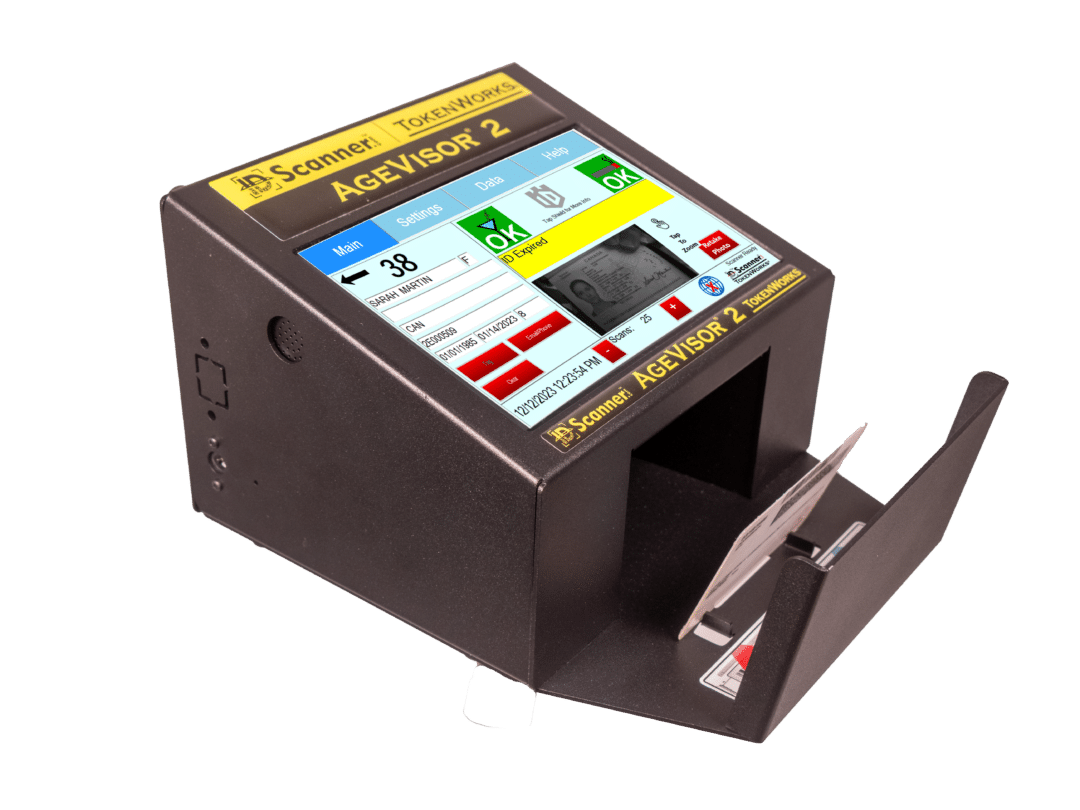
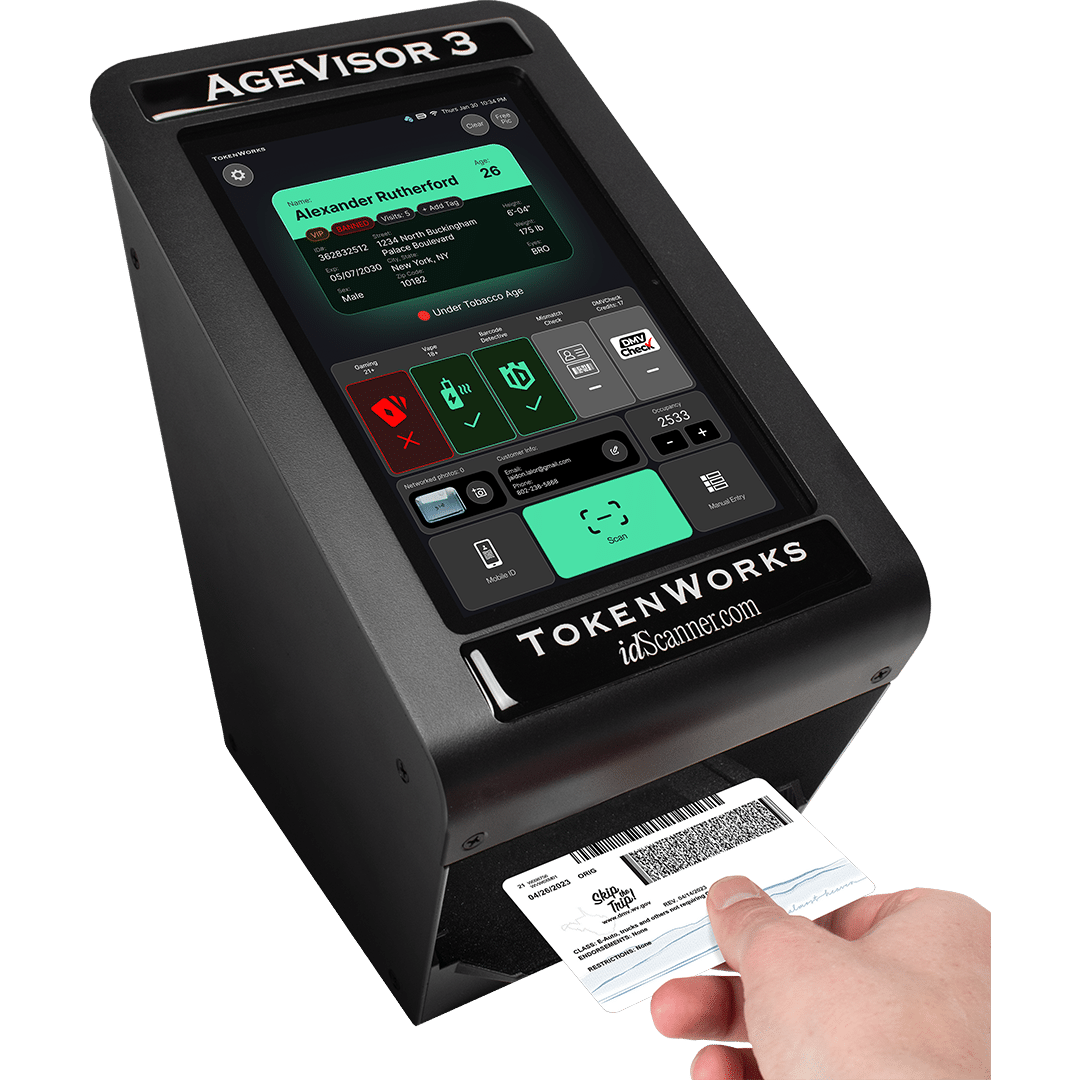
§487J-6 explicitly authorizes scanning for age verification but prohibits retaining any data from those scans. Your scanner should be configured to verify and clear.
Hawaii’s tourism-heavy market means establishments frequently serve customers from many different states and countries. Staff may be less familiar with out-of-state or international IDs. An ID scanner that reads encoded data can verify authenticity faster and more reliably than visual inspection alone.
Hawaii’s Personal Information Protection Act establishes detailed rules for when and how businesses may scan IDs.
A business may scan the machine-readable zone of an individual’s identification card or driver’s license only for the following purposes:
This is the critical distinction:
Businesses must make reasonable efforts, through systems testing and other means, to ensure compliance with these requirements.
Any waiver of these provisions is contrary to public policy and is void and unenforceable.
Hawaii was the first state in the nation to raise its tobacco purchase age to 21 (effective January 1, 2016).
Hawaii requires secondhand dealers (including pawnbrokers) to maintain detailed records of every article received.
Hawaii’s good-faith defense and its scanning privacy law create a framework where scanners provide immediate verification value without data retention. ID scanners help you:
In a state where the defense requires proving you “honestly believed” the minor was of legal age and acted in “good faith,” having a scanner that verified the ID’s authenticity at the point of sale is far stronger evidence than relying on staff memory of a visual check.
Hawaii imposes criminal and administrative penalties for alcohol violations.
No. Hawaii does not mandate electronic ID scanning. However, scanning is authorized under §487J-6 for age verification, and using a scanner supports the good-faith defense under §281-78 by creating documented evidence of verification.
Hawaii provides a general good-faith defense under §281-78(b)(1). The licensee must prove they were misled by the minor’s appearance and attending circumstances into honestly believing the minor was of legal age, and that they acted in good faith. Unlike most states, Hawaii does not specifically require inspection of an ID card for this defense.
Not for age verification scans. §487J-6(b) explicitly excludes age verification (purpose 2) from the data retention exception. You may scan to verify age, but you may not retain any information from that scan. Configure your scanner to verify and clear.
Hawaii’s alcohol statute does not enumerate specific acceptable ID types. The §487J-6 scanning law references driver’s licenses and identification cards. In practice, county liquor commissions may establish acceptable forms through their rules.
Persons 18-20 may sell or serve liquor only in licensed establishments where it is part of their employment and where there is proper supervision to ensure minors do not consume the liquor.
Yes. Hawaii raised its tobacco purchase age to 21 effective January 1, 2016, before any other state and before the federal Tobacco 21 law (December 2019).
Persons 18-21 who use false identification to purchase liquor are guilty of a petty misdemeanor. In addition, all violators are sentenced to 75 hours of community service and an 8-12 hour alcohol education program.
Prohibitions on Sales to Minors / Good Faith Defense (HRS §281-78)
Prohibits sale of liquor to persons under 21. General good-faith defense based on appearance and circumstances, not requiring specific ID inspection.
Status: Active
Amended: 2019
ID Scanning Privacy (HRS §487J-6)
Authorizes scanning for age verification. Prohibits retaining any data from age verification scans. No selling or disseminating scan data for marketing. Waivers void.
Status: Active
Amended: 2014
Prohibitions Involving Minors (HRS §281-101.5)
Prohibits minors from purchasing, consuming, or possessing liquor in public places. Prohibits use of false identification. Criminal and administrative penalties.
Status: Active
Amended: 2008
Secondhand Dealer Records (HRS §486M-2)
Requires ID verification, photography, and detailed transaction records for all articles received by secondhand dealers and pawnbrokers.
Status: Active
Amended: 2022
Important Notes: Hawaii authorizes ID scanning for age verification under §487J-6 but explicitly prohibits retaining any data from those scans. The good-faith defense under §281-78 does not specifically require ID card inspection, making it one of the broadest (but hardest to prove) defenses in the country. Scanners should be configured to verify and clear without storing personal information.
IDscanner.com by TokenWorks is not a legal organization, nor should anything on this page constitute legal guidance. It is meant to be a list of resources and helpful links. Please consult your attorney before making any decisions related to scanning IDs in your state.