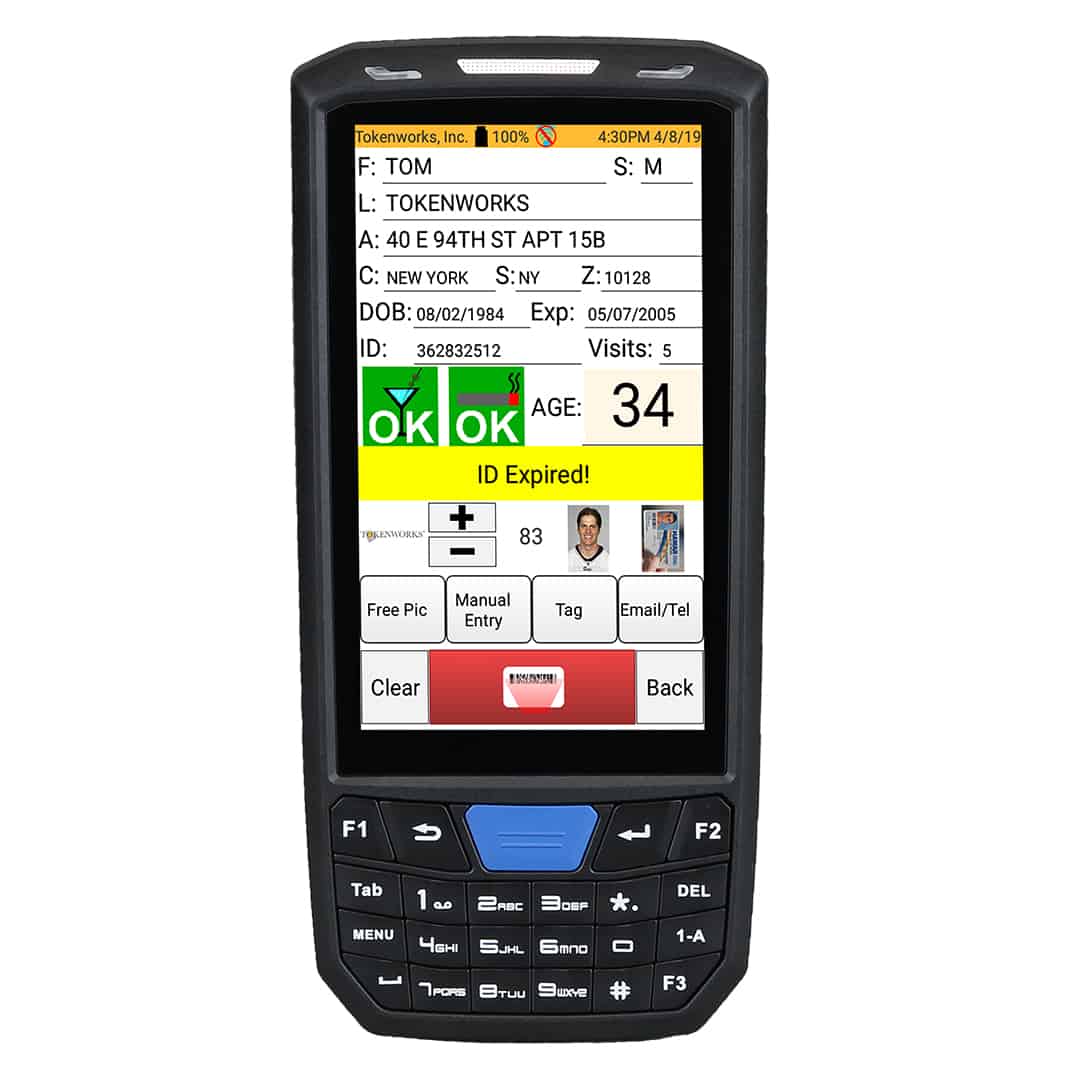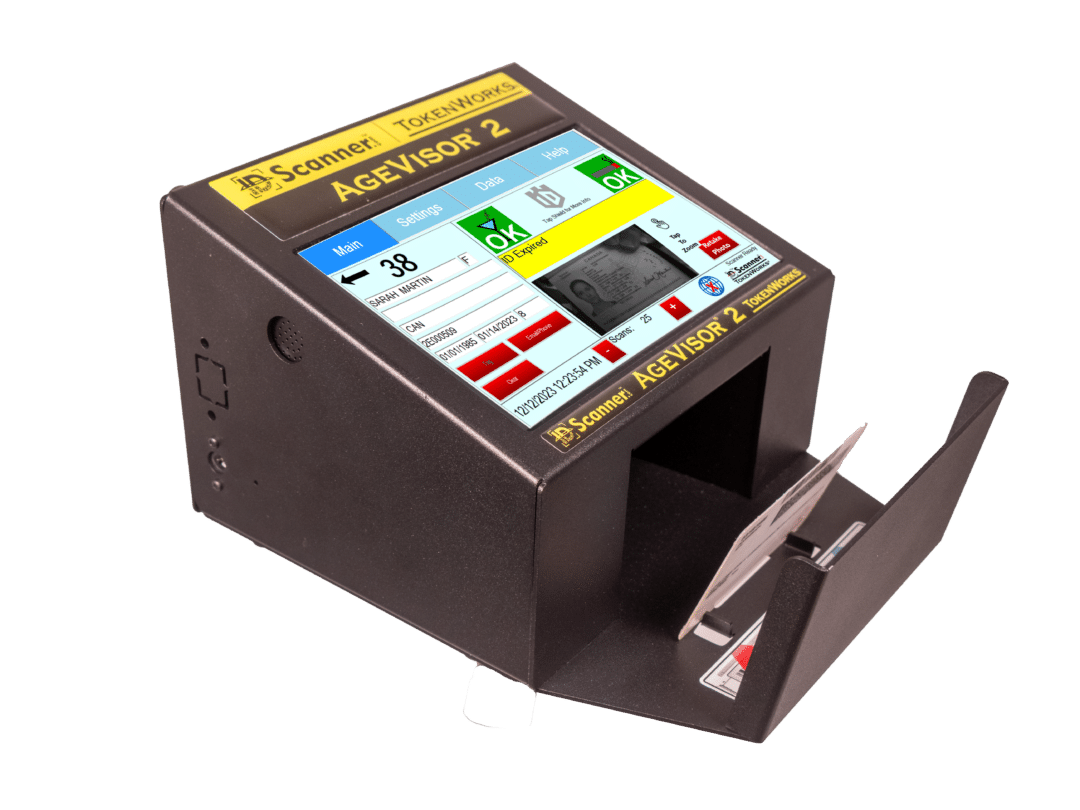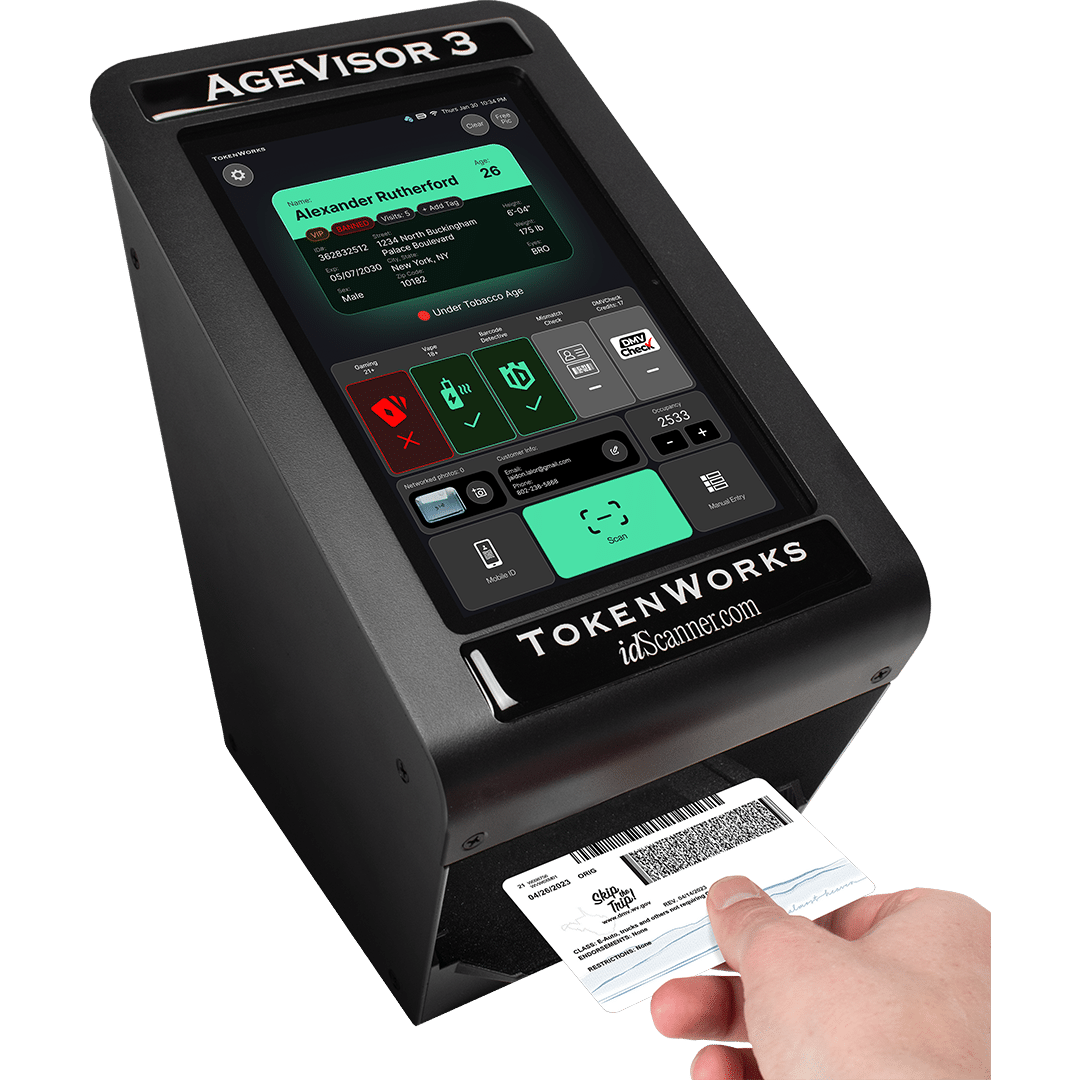


Texas is about to become one of the first states in the country to mandate electronic ID scanning for certain alcohol sales. The Deshawn Jagwan Act (SB 650), signed into law in 2025, requires all off-premises retailers, including grocery stores and convenience stores, to electronically verify purchaser age using a transaction scan device by September 1, 2027. This mandate sits on top of Texas’ existing affirmative defense framework under Section 109.61, which already provides legal protection for businesses that voluntarily use scanning technology. Between the upcoming mandate, the existing affirmative defense, tobacco transaction scan protections, and TABC’s active enforcement through underage compliance operations, Texas businesses selling age-restricted products need to prepare now.
Texas law makes it a criminal offense to sell an alcoholic beverage to a minor with criminal negligence. This is a Class A misdemeanor.
Any person or business permitted or licensed to sell alcoholic beverages in Texas. This includes bars, restaurants, taverns, private clubs, hotels, liquor stores, grocery stores, convenience stores, event venues, and any other establishment holding a TABC permit or license.
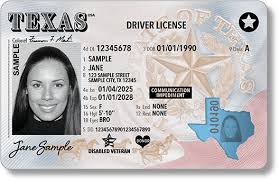
A person who sells a minor an alcoholic beverage does not commit an offense if the minor falsely represents themselves to be 21 years old or older by displaying an apparently valid proof of identification that:
Acceptable identification includes a driver’s license or identification card issued by the Department of Public Safety, a passport, or a military identification card.
Important limitation: This defense does not apply if the seller accessed electronically readable information under §109.61 that identified the driver’s license or identification certificate as invalid. In other words, if your scanner flags the ID as invalid and you sell anyway, you lose this defense.
SB 650, known as the Deshawn Jagwan Act, is the most significant change to Texas alcohol law in years. Named after an 18-year-old Dallas high school senior who was killed in 2022 after using a fake ID to purchase alcohol at a convenience store, this law mandates electronic ID scanning for off-premises alcohol sales.
Starting September 1, 2027 (when TABC rules take effect), a person selling alcohol at retail on a permitted or licensed premises for off-premises consumption must:
The mandate applies to off-premises retail sales of alcoholic beverages, which primarily affects grocery stores, convenience stores, and similar off-premises retailers. The law does not apply to:
TABC may not take any disciplinary action against a permit or license holder who electronically accessed the purchaser’s information as required and the transaction scan device identified the license or certificate as valid and the purchaser as 21 years of age or older on the date of the purchase.
This is a powerful protection: if your scanner says the ID is valid and the person is 21+, and you scanned as required, TABC cannot take administrative action against you for that sale.
SB 650 amended the data retention rules. A person may not retain information accessed through electronic scanning. This is a change from the previous law, which allowed TABC to require retention by rule. Under SB 650, the default is no retention.
Even before SB 650, Texas provided an affirmative defense for businesses that voluntarily use transaction scan devices.
Under §109.61, a “transaction scan device” is a device capable of deciphering electronically readable information on a driver’s license, commercial driver’s license, or identification certificate. The definition also includes an electronic age verification system authorized by TABC rule that operates with a point of sale terminal, scans the purchaser’s ID upon enrollment, associates personal identifying information with the ID, and allows the seller to verify age by accessing the data.
It is an affirmative defense to criminal prosecution under the Alcoholic Beverage Code, for an offense having as an element the age of a person, that:
Defense path 1: A transaction scan device identified the license or certificate of the purchaser as valid and that the person is over 21, and the defendant accessed the information and relied on the results in good faith.
Defense path 2: If the defendant is the owner of a store, the offense occurred in connection with a sale by an employee, and the owner had provided the employee with a transaction scan device in working condition and adequate training in its use.
The affirmative defense under §109.61(e) does not apply in actions to cancel, deny, or suspend a license or permit, except as provided by TABC rules. However, the new SB 650 immunity provision (§109.61(a-3)) creates a separate, direct prohibition on TABC disciplinary action for compliant scanning.
TABC and local law enforcement regularly conduct underage compliance operations, sending minors into retail establishments under peace officer supervision to attempt alcohol purchases. These “sting” operations are a primary enforcement tool and the most common source of underage sale violations.
Whether you operate a grocery store, convenience store, bar, restaurant, hotel, liquor store, private club, or event venue, the Texas landscape is changing fast.
SB 650 requires grocery stores, convenience stores, and similar off-premises retailers to electronically verify every purchaser’s age by September 1, 2027. The grace period is in effect now, but the time to acquire equipment, train staff, and build processes is before the deadline, not after.
For off-premises retailers subject to SB 650, compliant scanning creates immunity from TABC disciplinary action under §109.61(a-3). For all retailers, the §109.61(e) affirmative defense protects against criminal prosecution. Together, these provisions make electronic scanning the single most valuable compliance investment a Texas alcohol retailer can make.
While bars, restaurants, and private clubs aren’t covered by the SB 650 mandate, the §109.61(e) affirmative defense is available to any retailer who uses a transaction scan device. Given TABC’s active enforcement through compliance operations, voluntary scanning provides meaningful legal protection.
SB 650 changed the default: you may not retain information accessed through electronic scanning. You also may not market the information. Violations are Class A misdemeanors.
Texas prohibits the sale of cigarettes, e-cigarettes, and tobacco products to persons younger than 21 years of age (federal minimum; the state statute references 18 but federal Tobacco 21 applies).
A person may not sell cigarettes, e-cigarettes, or tobacco products to someone younger than 27 unless the purchaser presents apparently valid proof of identification.
It is an affirmative defense to prosecution under §161.082 that:
The same restrictions apply as for alcohol: information may not be sold or disseminated to a third party for any purpose, including marketing, advertising, or promotional activities.
Texas is transitioning from a state where scanning was optional (but legally incentivized) to one where scanning is mandatory for a major category of alcohol retailers. ID scanners help you:
The Deshawn Jagwan Act makes Texas one of the most important states in the country for ID scanning compliance. Businesses that act now will be ahead of the curve when the September 2027 enforcement deadline arrives.
Texas imposes criminal and administrative penalties for alcohol and tobacco violations.
Starting September 1, 2027, yes, for off-premises retail sales (grocery stores, convenience stores, and similar retailers). The Deshawn Jagwan Act (SB 650) mandates that these businesses electronically verify purchaser age using a transaction scan device. On-premises establishments (bars, restaurants, private clubs) and liquor stores are not covered by the mandate but can voluntarily use scanning to access the affirmative defense.
SB 650, named after an 18-year-old who was killed in 2022 after purchasing alcohol with a fake ID at a Dallas convenience store. The law mandates electronic ID scanning for off-premises alcohol retail sales and creates immunity from TABC disciplinary action for businesses that comply.
Yes. Under §109.61(e), it is an affirmative defense to criminal prosecution that a transaction scan device identified the purchaser’s ID as valid and the person as over 21, and the seller relied on the results in good faith. The defense also covers store owners who provide employees with working scan devices and adequate training. Note: this defense applies to criminal prosecution but does not apply to license suspension/revocation actions, except under SB 650’s new immunity provision for compliant scanning.
No. Under SB 650, information accessed through electronic scanning may not be retained. It also may not be marketed. Violations are a Class A misdemeanor.
SB 650 provides a defense: if the failure to scan was caused by a disruption of internet or data connectivity services, and the seller visually inspected the ID, TABC cannot take disciplinary action and the seller has a defense to prosecution.
Under SB 650, it is a defense to prosecution for failure to scan if the purchaser was 40 years of age or older. However, best practice is to scan every ID to maintain a consistent process and avoid judgment calls about a customer’s apparent age.
No. SB 650 applies to retail sales of alcoholic beverages for off-premises consumption. On-premises establishments are not covered by the mandate but can voluntarily use scanning to access the §109.61(e) affirmative defense.
Yes. Under Health & Safety Code §161.0825, it is an affirmative defense that a transaction scan device identified the ID as valid and the seller relied on the results in good faith, or that the store owner provided the employee with a working device and adequate training.
Sale to Minors / False ID Defense (Alcoholic Beverage Code §106.03)
Prohibits sale of alcohol to minors. Statutory defense available when minor presents apparently valid government-issued ID with photo and physical description consistent with appearance.
Status: Active
Amended: 2009
Deshawn Jagwan Act — Mandatory Electronic Scanning (SB 650 / Alcoholic Beverage Code §109.61(a-1))
Mandates electronic ID scanning for off-premises retail alcohol sales. TABC immunity for compliant scanning. No data retention permitted.
Status: Active
Effective: September 1, 2025
Enforcement begins: September 1, 2027
Transaction Scan Device / Affirmative Defense (Alcoholic Beverage Code §109.61)
Defines transaction scan devices, authorizes their use, and provides affirmative defense to criminal prosecution for sellers who scan in good faith. Data may not be marketed. Violations are Class A misdemeanors.
Status: Active
Amended: 2025
Tobacco Sales / Transaction Scan Affirmative Defense (Health & Safety Code §§161.082, 161.0825)
Prohibits sale of tobacco to persons under 21. ID check required for purchasers under 27. Affirmative defense available for sellers using transaction scan devices. Data may not be sold or disseminated.
Status: Active
Amended: 2015
Important Notes: Texas is transitioning to mandatory electronic ID scanning for off-premises alcohol sales under SB 650 (the Deshawn Jagwan Act), with full enforcement beginning September 1, 2027. Businesses selling alcohol at grocery stores, convenience stores, and similar off-premises retail locations must have transaction scan devices operational by that date. The law also creates immunity from TABC disciplinary action for compliant scanning and prohibits retention of scan data.
IDscanner.com by TokenWorks is not a legal organization, nor should anything on this page constitute legal guidance. It is meant to be a list of resources and helpful links. Please consult your attorney before making any decisions related to scanning IDs in your state.