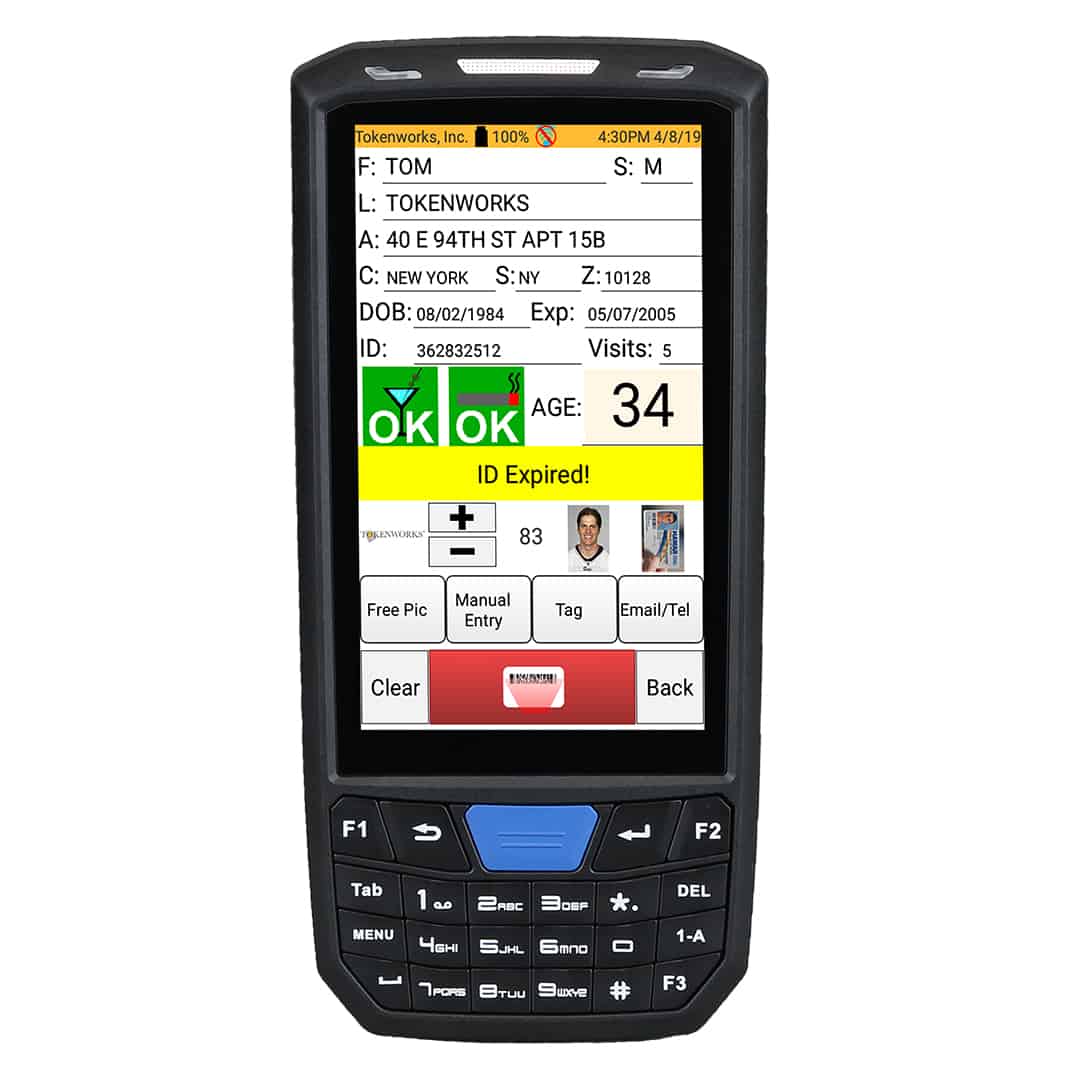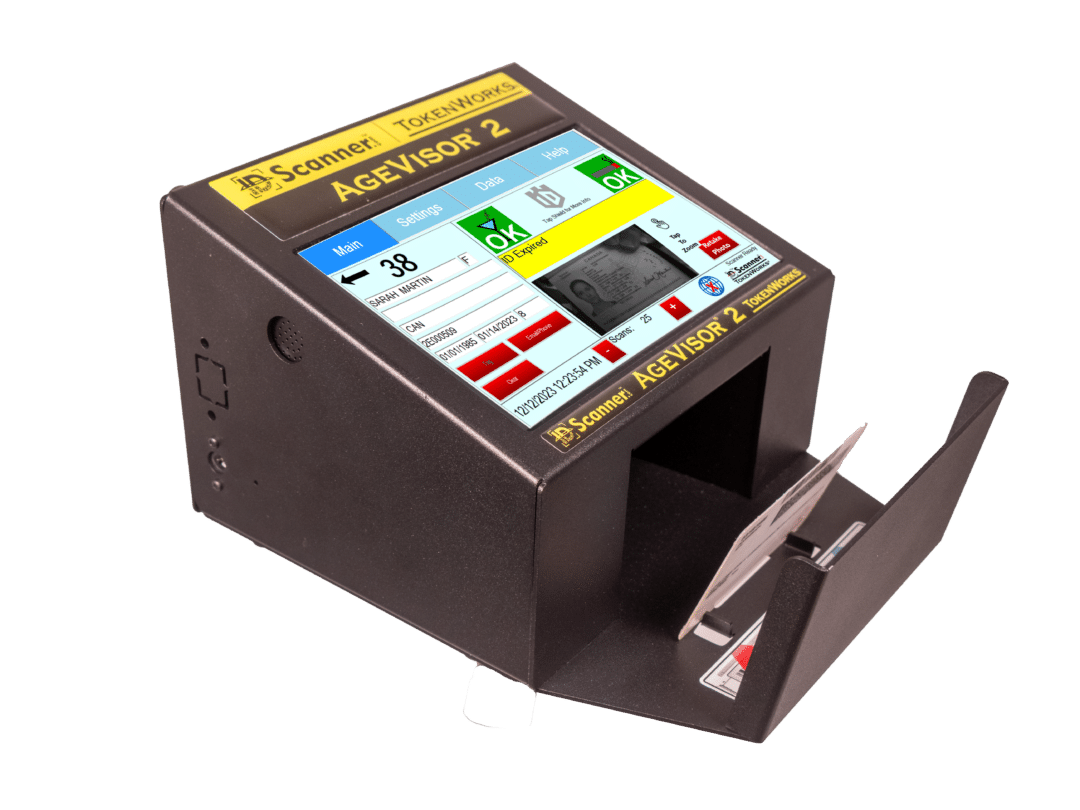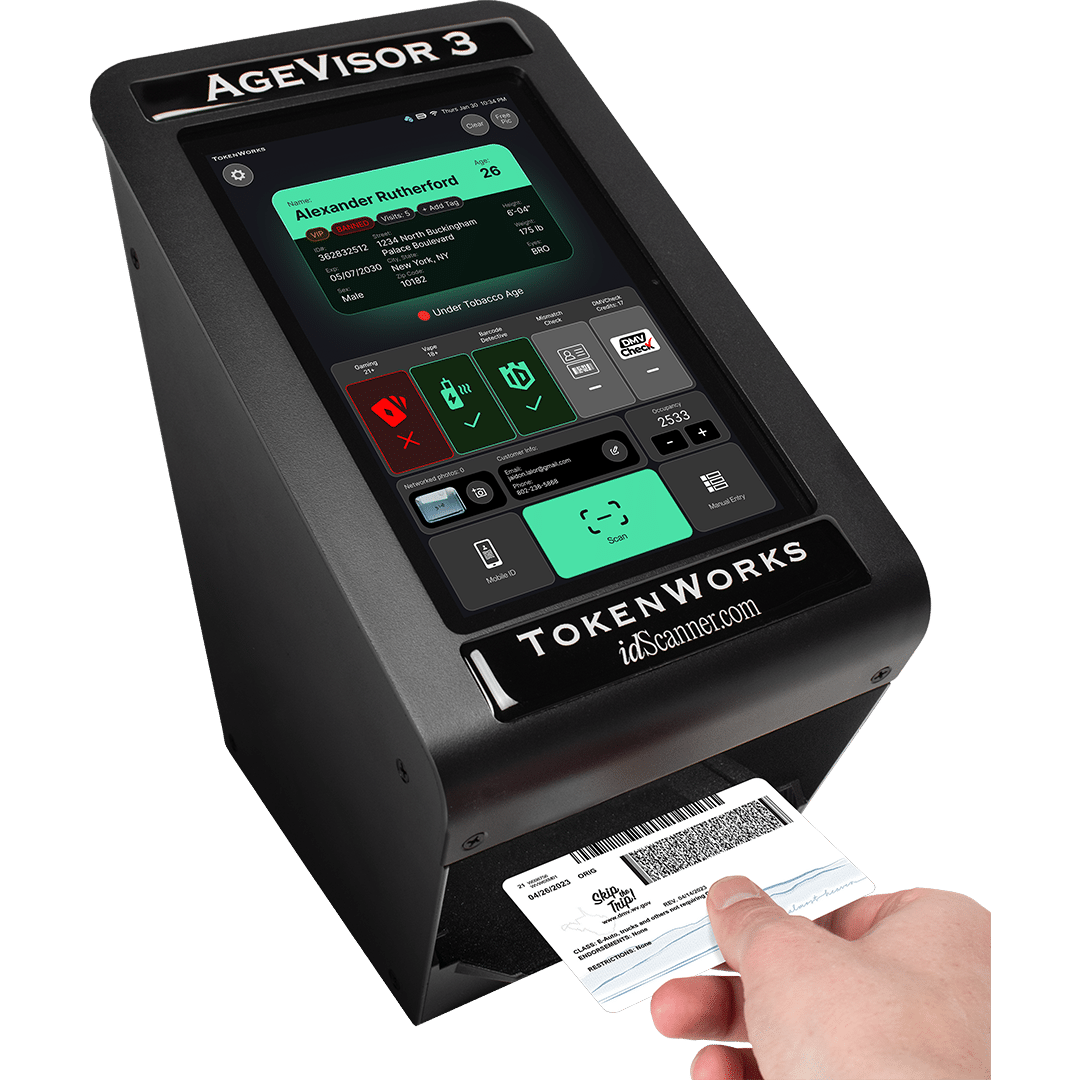


Maine takes a straightforward but strict approach to ID verification. The state requires licensees to check ID for anyone who appears under 27 before selling alcohol, and imposes serious criminal penalties for furnishing alcohol to minors, including Class C felony charges if a minor is seriously injured or killed. While Maine doesn’t mandate electronic scanning and notably does not offer affirmative defense for alcohol sales, the severity of its penalties makes consistent, accurate ID verification essential.
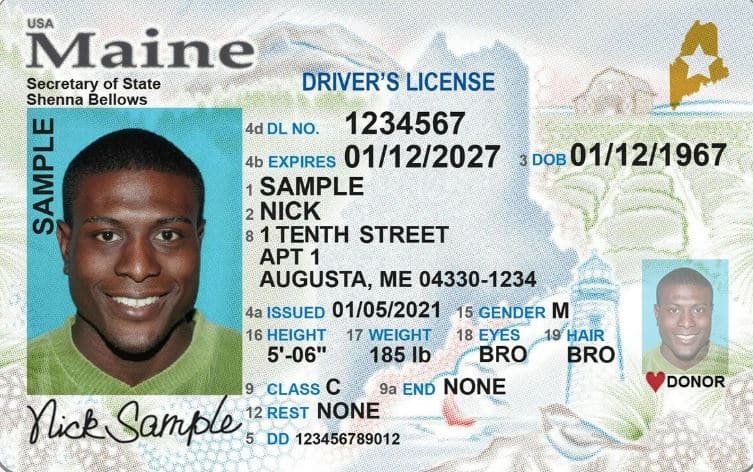
Maine law requires that licensees and their employees verify age before selling alcohol to anyone who appears to be under 27 years old.
Any licensee, or licensee’s employee or agent, selling liquor in Maine. This includes bars, restaurants, taverns, hotels, liquor stores, auditoriums, event venues, golf courses, and any other establishment operating under a Maine liquor license.
Maine does not require electronic ID scanning for alcohol sales. Visual inspection of a valid photo ID containing the person’s date of birth is sufficient.
Unlike many other states, Maine does not provide a statutory affirmative defense for licensees who sell alcohol to a minor. This means that even if a minor presents a convincing fake ID, the licensee does not have an automatic legal shield against charges.
This is one of the most important distinctions about Maine’s liquor laws. Without affirmative defense, the risk of selling to a minor falls entirely on the licensee and their employees, making consistent and accurate ID verification critical for every transaction.
Maine classifies furnishing alcohol to minors as a criminal offense with penalties that escalate based on the circumstances.
It is also unlawful to procure, furnish, give, sell, or deliver liquor to a visibly intoxicated person. This is a Class E crime with a fine of up to $500.
Maine law prohibits minors from purchasing, consuming, possessing, or using false identification to obtain alcohol. Violations are civil offenses with escalating fines:
Licensees may seize apparently false IDs and turn them over to the Division of Liquor Licensing and Compliance.
Whether you operate a bar, restaurant, tavern, hotel, liquor store, or event venue, Maine’s alcohol laws significantly affect your risk exposure.
This is a higher threshold than many states. Maine law requires verification for anyone who appears to be under 27, not just under 21 or under 25. Missing this check puts your business and your employees at risk.
Maine is not on the list of states that offer affirmative defense for alcohol sales. If your employee sells to a minor, even one who presents a convincing fake ID, there is no statutory shield against prosecution. This makes consistent verification more important in Maine than in almost any other state.
Furnishing alcohol to a minor is a criminal offense in Maine, not just a civil violation. If the minor is under 18, mandatory minimum fines apply. If the minor is seriously injured or dies as a result, the charge escalates to a Class C felony.
While Maine doesn’t mandate electronic scanning, using an ID scanner provides a consistent, documented verification process that reduces the likelihood of human error. When there’s no affirmative defense to fall back on, preventing the sale in the first place is your only line of defense.
Employees under 17 may not serve or sell alcohol at all. Employees between 17 and 20 may serve or sell alcohol only under the direct supervision of someone at least 21 years old.
Maine prohibits the sale of tobacco products to any person under 21 years of age.
Unlike alcohol, Maine does provide an affirmative defense for tobacco sales. It is a defense if the seller sold the product in reasonable reliance upon a fraudulent proof of age presented by the purchaser.
Maine requires scrap metal processors to maintain records of each purchase transaction, including ID verification of the seller.
Maine’s combination of mandatory under-27 ID checks and the absence of affirmative defense for alcohol sales makes accurate verification more critical here than in many other states. ID scanners help you:
Without affirmative defense, the only way to protect your business from an underage sale is to prevent it from happening. ID scanners dramatically reduce the risk of human error during busy shifts, high-volume events, and late-night service.
Maine imposes serious criminal and administrative penalties for alcohol and tobacco violations.
No. Maine does not mandate electronic ID scanning. Visual inspection of a valid photo ID containing the person’s date of birth is sufficient. However, using an ID scanner reduces the risk of human error and provides documented verification of every check.
No. Maine does not provide a statutory affirmative defense for licensees who sell alcohol to a minor. This is a critical distinction and without this protection, the risk of any underage sale falls entirely on the licensee and their employees.
Yes. It is a defense to prosecution if the seller sold the tobacco product in reasonable reliance upon a fraudulent proof of age presented by the purchaser.
Maine requires verification for anyone who appears to be under 27 years of age. This is a higher threshold than many states and applies to all licensees and their employees.
Maine accepts a state identification card issued under Title 29-A §1410 (including tribal IDs from federally recognized Indian tribes in the State) and a motor vehicle operator’s license bearing the photograph of the operator.
Furnishing alcohol to a minor is a Class D crime with up to 1 year imprisonment and/or up to $2,000 in fines. If the minor is under 18, a mandatory minimum fine of $500 applies. If serious bodily injury or death results, the charge escalates to a Class C crime with up to 5 years imprisonment.
Employees under 17 may not serve or sell alcohol. Employees between 17 and 20 may serve or sell alcohol only under the direct supervision of an employee who is at least 21 years old.
Maine does not have specific laws restricting the electronic scanning of IDs for age verification purposes. However, Maine has a statewide ban on the use of facial recognition by law enforcement and public officials (enacted 2022), and a comprehensive consumer data privacy bill (LD 1822) was proposed in 2025.
Age Requirement for Identification (Title 28-A, §706)
Licensees must verify age for anyone appearing under 27 using reliable photographic identification.
Status: Active
Amended: 2017
Furnishing Alcohol to Minors (Title 28-A, §2081)
Furnishing alcohol to a minor is a Class D crime with escalating penalties. No affirmative defense available.
Status: Active
Amended: 2019
Prohibited Acts by Minors (Title 28-A, §2051)
Minors are prohibited from purchasing, consuming, or possessing alcohol. Use of false identification is a civil violation.
Status: Active
Amended: 2021
Tobacco Sales (Title 22, §1555-B)
Sale of tobacco to persons under 21 is prohibited. Affirmative defense available for reliance on fraudulent proof of age.
Status: Active
Amended: 2025
Scrap Metal Processor ID Requirements (Title 30-A, §3772)
Scrap metal processors must verify seller identity with government-issued photo ID and maintain records.
Status: Active
Amended: 2015
Important Notes: Maine does not offer affirmative defense for alcohol sales to minors. This makes consistent ID verification critical, preventing the sale is the only line of defense. Furnishing alcohol to a minor is a criminal offense that can escalate to a Class C felony if serious bodily injury or death results.
IDscanner.com by TokenWorks is not a legal organization, nor should anything on this page constitute legal guidance. It is meant to be a list of resources and helpful links. Please consult your attorney before making any decisions related to scanning IDs in your state.