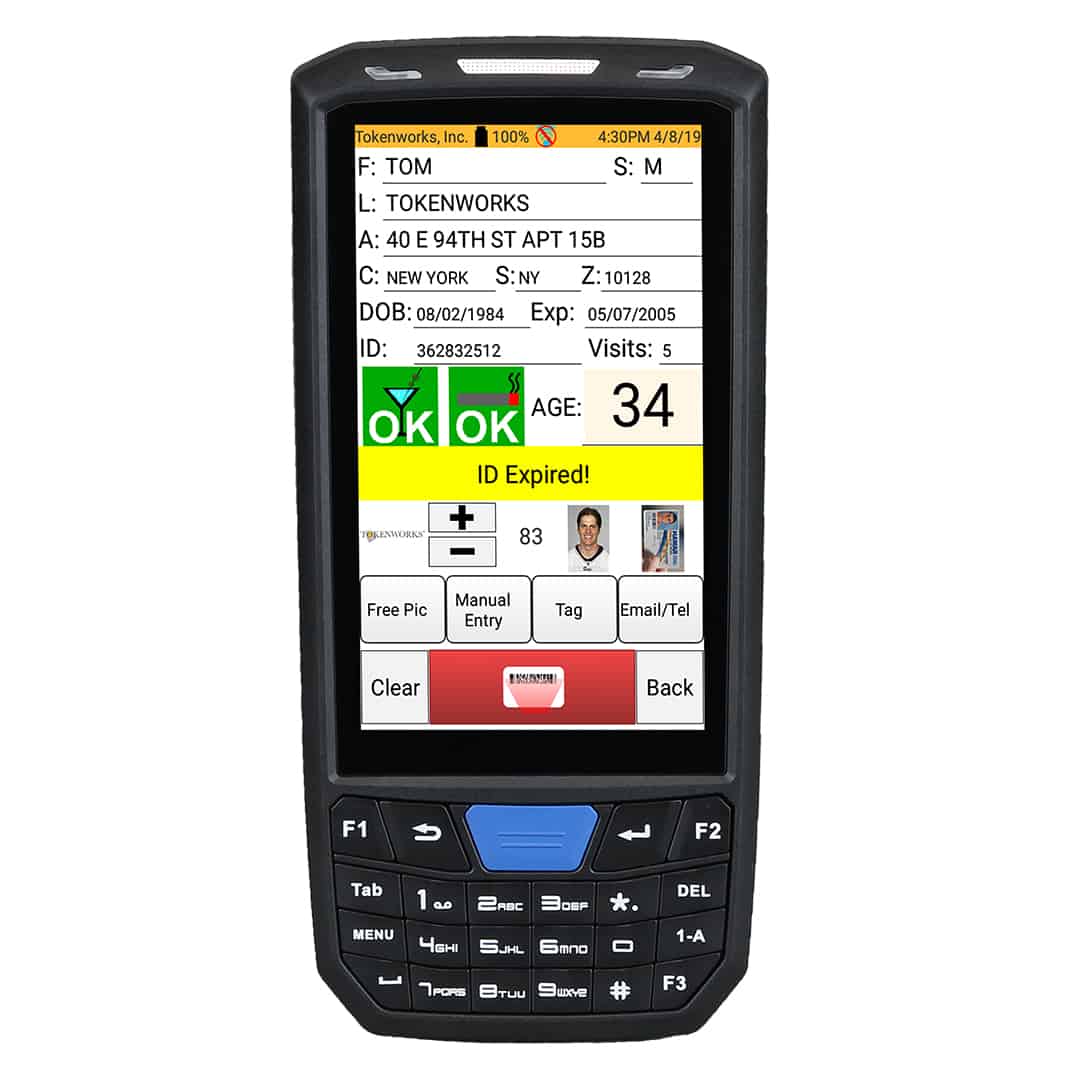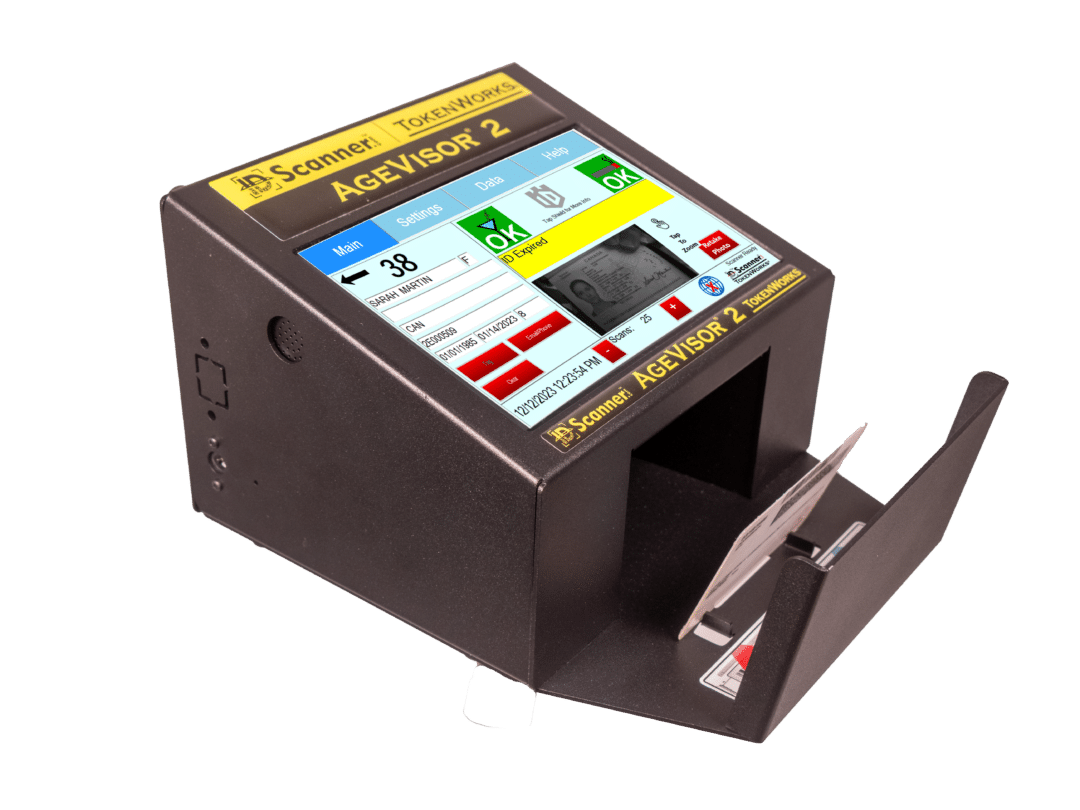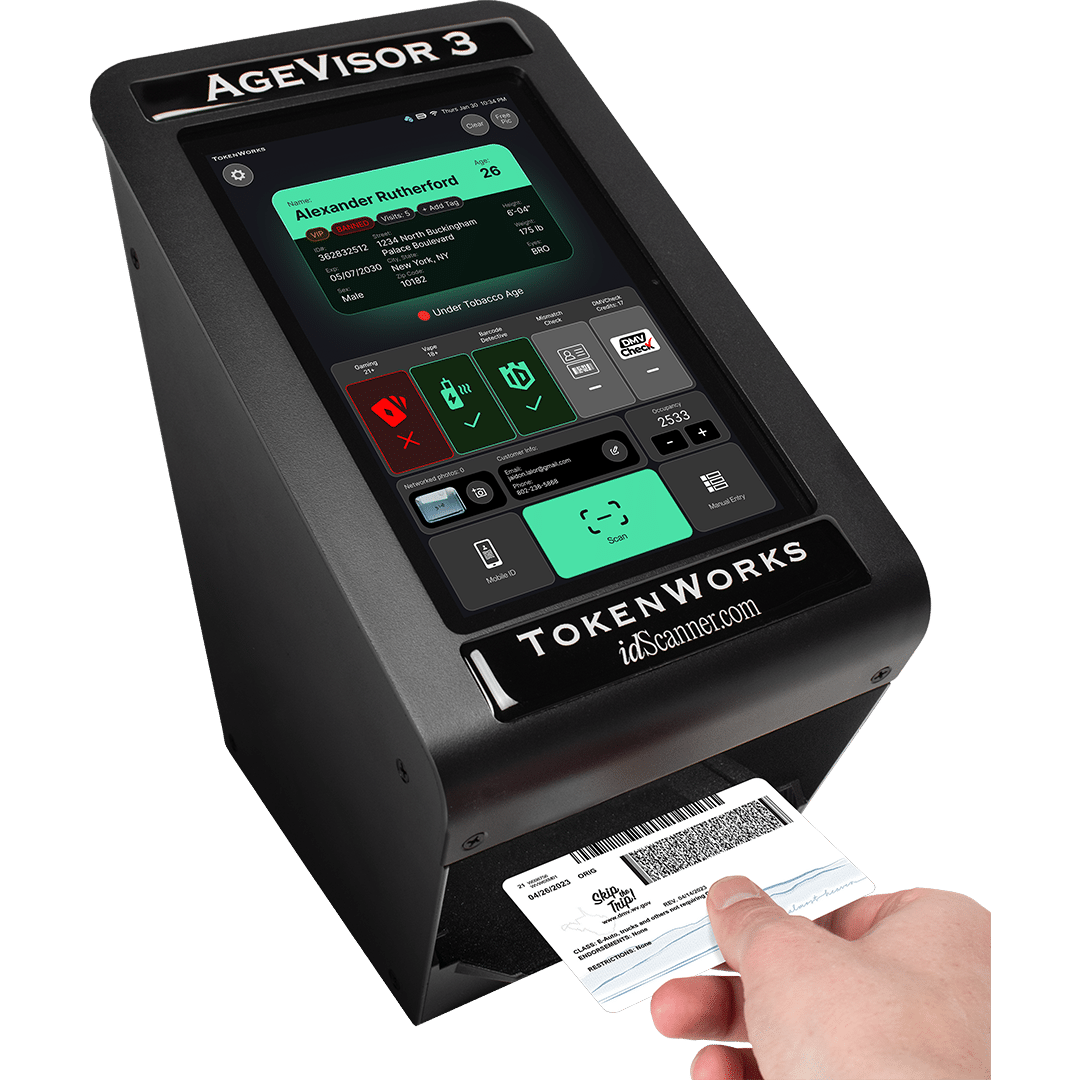


Florida takes a layered approach to ID verification. While the state doesn’t mandate electronic ID scanning for alcohol or tobacco sales, it provides strong legal protections for businesses that check IDs carefully and sets clear rules around when and how businesses can scan driver licenses. Between affirmative defense provisions, data privacy restrictions, and newer laws targeting adult entertainment and human trafficking, Florida businesses need to understand the full picture.
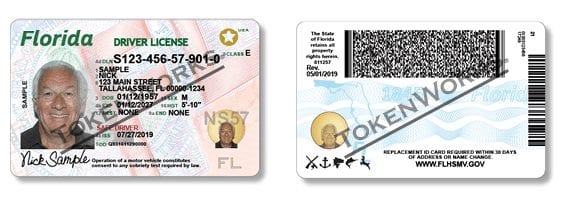
Florida law prohibits selling, giving, serving, or permitting to be served alcoholic beverages to any person under 21 years of age. It’s also unlawful to permit a person under 21 to consume alcoholic beverages on the licensed premises.
Any person or business licensed to sell alcoholic beverages in Florida. This includes bars, nightclubs, restaurants, liquor stores, hotels, grocery stores, event venues, and any other establishment operating under a Florida beverage license.
Florida does not require electronic ID scanning for alcohol sales. Visual inspection of a valid ID is sufficient to meet the state’s verification standard.
However, businesses that do use ID scanners benefit from greater accuracy, faster verification, and stronger legal protection under Florida’s affirmative defense provisions.
Florida provides one of the clearest affirmative defense provisions in the country for businesses that verify IDs before selling alcohol.
If a business is charged with selling alcohol to a minor, the licensee has a complete defense to any civil action (except administrative actions by the Division of Alcoholic Beverages and Tobacco) if, at the time of the sale:
A separate but similar defense applies to criminal charges. Any person charged with a violation of the underage sales law has a complete defense if the same conditions above were met at the time of sale.
Florida’s affirmative defense protections give businesses a strong legal incentive to check IDs consistently and carefully. While electronic scanning isn’t required, using an ID scanner strengthens your defense by creating a documented record that the ID was checked and verified at the time of sale.
For a deeper look at how affirmative defense works across states, see our guide to ID scanners as legal affirmative defense.
Florida restricts who can be employed by businesses licensed to sell alcohol.
Whether you operate a bar, restaurant, nightclub, hotel, event venue, or liquor store, Florida’s alcohol laws affect your daily operations.
Florida doesn’t mandate electronic ID scanning for alcohol sales. However, the state’s strong affirmative defense provisions make a compelling case for using ID scanners. A documented scan creates evidence that you checked the ID, verified its authenticity, and acted in good faith, which is exactly what you need if a sale is later questioned.
Florida’s affirmative defense only applies if you actually checked the ID. Inconsistent checking leaves gaps in your defense. Many businesses use ID scanners to ensure every customer is verified, every time, regardless of how busy the shift gets.
Florida law specifically recognizes the following forms of identification:
The strength of your defense depends on your team’s ability to check IDs carefully and act in good faith. Consistent use of ID scanners reduces the burden on individual employees and standardizes your verification process across all shifts.
Florida law prohibits selling, delivering, bartering, furnishing, or giving tobacco products to any person under 21 years of age.
Similar to alcohol, Florida provides a complete defense for tobacco sales if:
This makes Florida one of the states where businesses benefit from affirmative defense protections for both alcohol and tobacco sales.
Florida has specific laws governing when and how businesses can electronically scan driver licenses and state identification cards. These rules apply to any private entity that uses a scanner or card reader.
A private entity may scan (“swipe”) a driver license or identification card for the following purposes:
Florida’s rules on what you can do with scanned data depend on why you scanned the ID:
An individual may consent to allow a business to scan their ID and collect and store personal information. However, the business must inform the individual what information is being collected and how it will be used.
If the individual does not consent to scanning, the business may manually collect personal information instead. Importantly, a business may not withhold goods or services solely because an individual requests manual collection instead of scanning.
A private entity that violates Florida’s ID scanning restrictions may be subject to a civil penalty of up to $5,000 per occurrence.
If you use ID scanners for age verification at a bar, restaurant, liquor store, or vape shop, Florida law permits scanning for that purpose. However, you cannot store the personal information obtained from those age verification scans unless the customer consents and is informed about how the data will be used.
Our scanners can be configured to verify age without retaining personal data, keeping your business compliant with Florida’s data privacy requirements.
Effective July 1, 2024, Florida enacted new age verification requirements for adult entertainment establishments as part of broader human trafficking prevention legislation.
Even though Florida doesn’t mandate electronic ID scanning for alcohol or tobacco sales, electronic verification remains one of the most effective ways to:
Florida’s affirmative defense protections are among the strongest in the country, but they only work if you can demonstrate that you actually checked the ID. An ID scanner creates that documentation automatically, strengthening your legal position in any dispute.
Florida law imposes criminal and administrative penalties for businesses that violate alcohol and tobacco sales laws.
The Division of Alcoholic Beverages and Tobacco may pursue administrative actions against your license regardless of the outcome of criminal proceedings. These can include fines, license suspension, or license revocation.
Violating Florida’s ID scanning data privacy restrictions (F.S. §322.143) can result in civil penalties of up to $5,000 per occurrence.
No. Florida does not mandate electronic ID scanning for alcohol or tobacco sales. Visual inspection of a valid photo ID is sufficient. However, many businesses use ID scanners to improve accuracy, speed, and legal protection under Florida’s affirmative defense provisions.
Yes. Florida provides a complete defense to both civil and criminal charges for underage alcohol sales if the business carefully checked a valid form of ID and acted in good faith. A similar defense applies to tobacco sales. This is one of the strongest affirmative defense provisions in the country.
It depends on the purpose of the scan. If you scan an ID to verify age, Florida law prohibits storing the personal information obtained. If you scan for fraud prevention purposes, you may store the data. Customers may also consent to having their data collected and stored, but they must be informed of what’s being collected and why.
Florida law recognizes a driver license, a state identification card issued by any U.S. state, a passport, and a United States Uniformed Services identification card as acceptable forms of identification for age and identity verification.
If a minor presents a fake ID and the business carefully checked the ID and acted in good faith, the business has a complete defense under Florida law. This applies to both civil and criminal proceedings.
Yes. As of July 1, 2024, no person under 21 may work in an adult entertainment establishment. Owners and managers must check a valid form of ID and act in good faith to verify the person’s age.
A private entity that violates Florida’s ID scanning restrictions under F.S. §322.143 may face civil penalties of up to $5,000 per occurrence. This includes scanning for unauthorized purposes, storing data from age verification scans without consent, or withholding goods and services because a customer declines to be scanned.
Yes. Under Florida law, if an individual does not want their ID scanned electronically, the business may manually collect personal information instead. The business cannot withhold goods or services solely because the customer requests manual collection.
Underage Alcohol Sales (F.S. §562.11)
Selling, giving, or serving alcoholic beverages to a person under 21 is unlawful. Visual ID check is required.
Status: Active
Amended: 2019
Affirmative Defense for Alcohol Sales (F.S. §562.11(1)(c)–(d))
Businesses that carefully check a valid form of ID have a complete defense to civil and criminal charges for underage sales.
Status: Active
Amended: 2019
Underage Tobacco Sales (F.S. §569.101)
ng tobacco products to a person under 21 is unlawful. Affirmative defense available for careful ID checking.
Status: Active
Amended: 2021
ID Scanning Data Privacy (F.S. §322.143)
Private entities may scan IDs for specific purposes but face restrictions on data storage and use.
Status: Active
Effective: 2013
Adult Entertainment Age Verification (F.S. §787.30)
Adult entertainment establishments must verify that all employees and performers are at least 21 years old.
Status: Active
Effective: July 1, 2024
Important Notes: Florida’s affirmative defense protections apply only when businesses can demonstrate they checked a valid form of ID and acted in good faith. Consistent use of ID scanners creates the documentation needed to support that defense.
IDscanner.com by TokenWorks is not a legal organization, nor should anything on this page constitute legal guidance. It is meant to be a list of resources and helpful links. Please consult your attorney before making any decisions related to scanning IDs in your state.