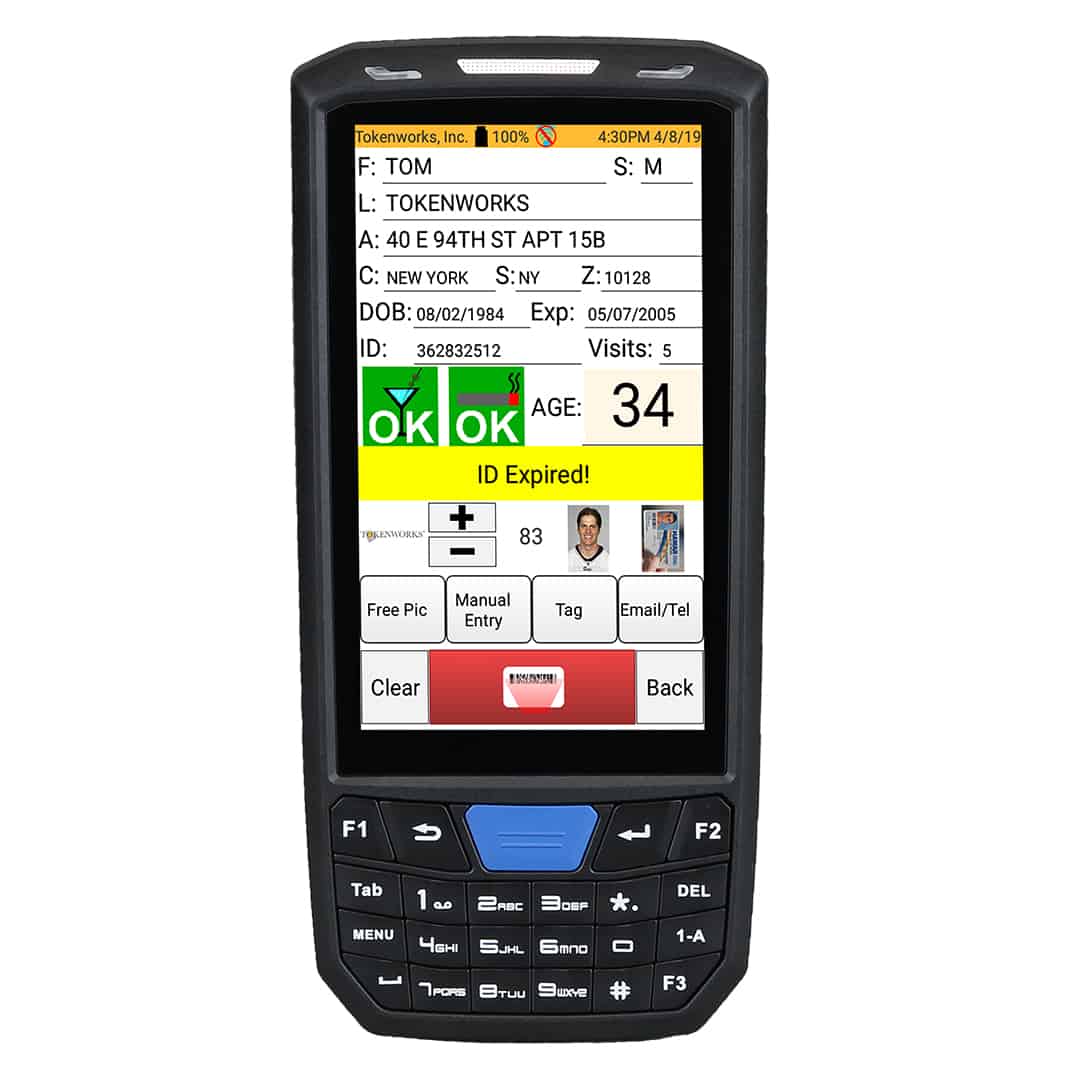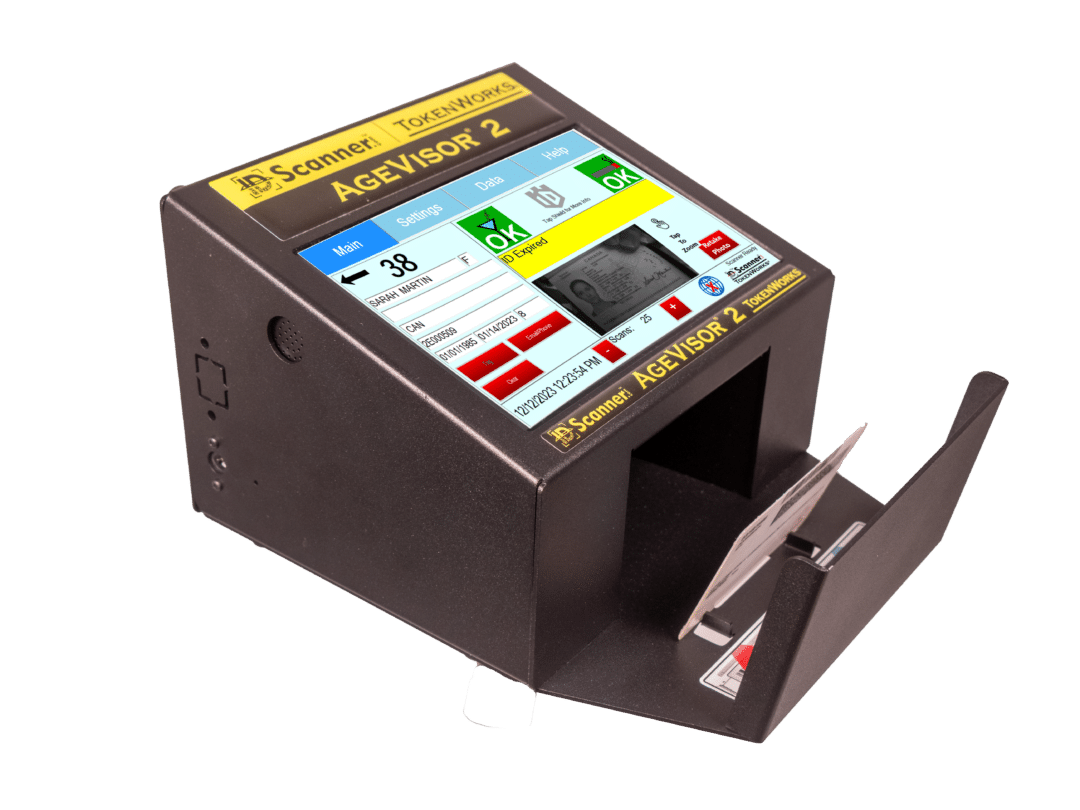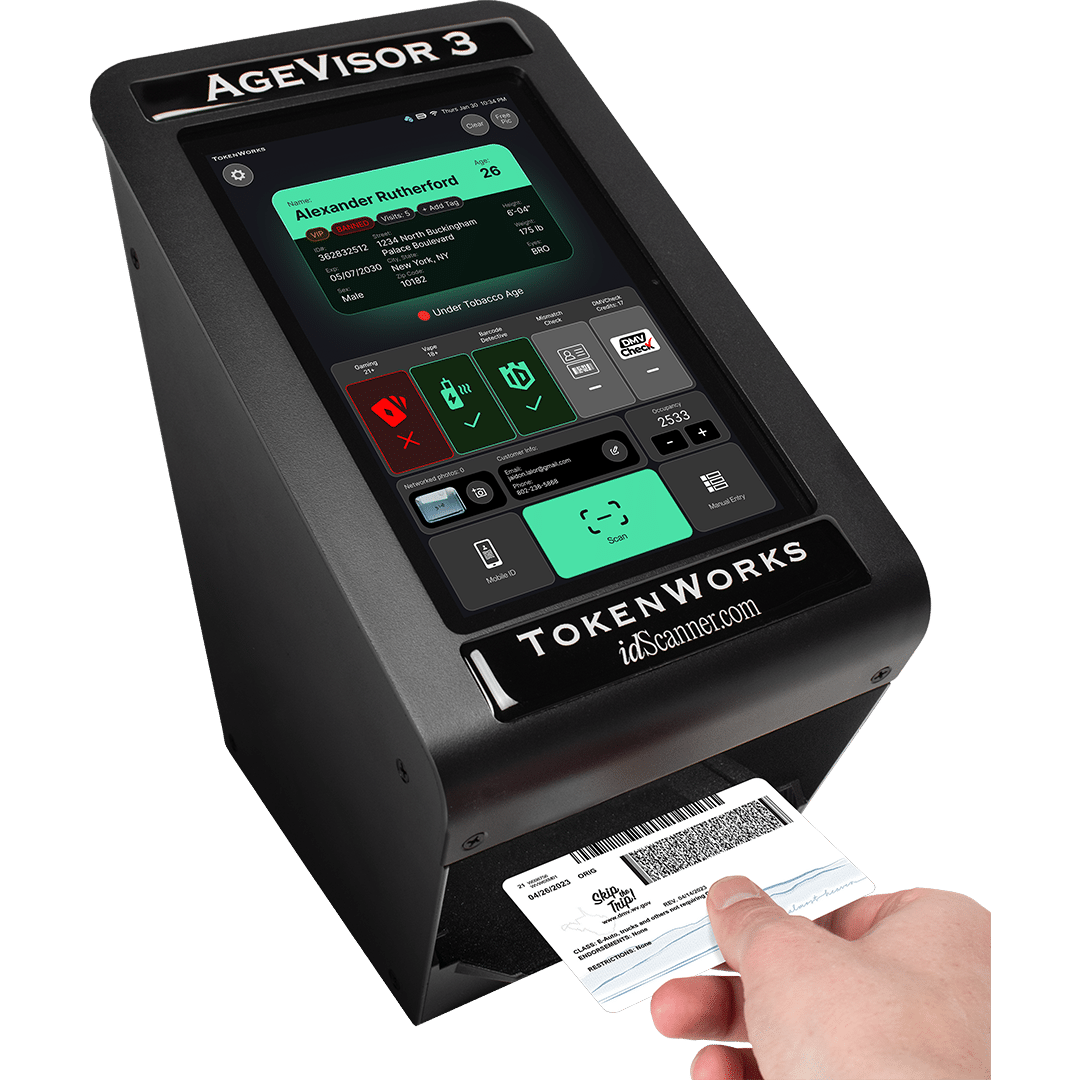


Utah has some of the strictest alcohol ID verification laws in the country. Between existing electronic scanning mandates and new 2026 requirements, businesses selling alcohol or tobacco need to understand exactly what’s required to stay compliant.
Since July 2022, Utah has required electronic ID verification for certain alcohol sales. This law remains in effect alongside the 2026 requirements.
Bars, taverns, and certain restaurant license types must electronically verify the age of anyone who appears to be under 35 before:
The scanning system must:
Utah law restricts how long businesses can store scanned ID data. Information obtained through electronic verification may only be retained for seven days after the date it was originally obtained. Our scanners are configured to comply with this requirement automatically.
If you operate a bar, nightclub, or qualifying restaurant in Utah, electronic ID scanning isn’t optional for customers who appear under 35, it’s the law.
As of January 1, 2026, Utah’s alcohol law requires 100% ID checks for every customer purchasing alcohol. Whether a customer looks 25 or 75, they must present valid identification before alcohol can be sold.
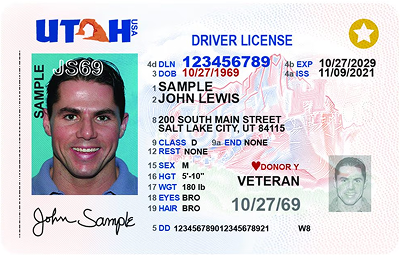
This change was the result of House Bill 437, which also directs Utah’s Driver License Division to issue a new form of ID for individuals legally prohibited from purchasing or consuming alcohol (typically due to extreme or multiple DUI convictions).
These individuals, called “interdicted persons,” receive ID cards clearly labeled:
NO ALCOHOL SALE
This label appears above the person’s photo, allowing staff to visually confirm that the person may not legally purchase alcohol.
Because of this, every alcohol-licensed business in Utah must check IDs 100% of the time to ensure:
And while not all license types require electronic scanning, many businesses rely on ID scanners to improve accuracy, detect fake IDs, and streamline compliance, especially as the volume of required ID checks increases.
If you sell alcohol in Utah whether at a bar, restaurant, hotel, nightclub, liquor store, grocery store, or event venue, these laws affect your daily operations.
There are no exceptions based on age appearance. Every alcohol sale requires ID verification as of January 2026.
Even if you scan IDs for age verification, scanning alone may not detect interdicted status. Your employees should also visually check for the “NO ALCOHOL SALE” label on Utah IDs.
We suggest that older IDs without the “NO ALCOHOL SALE” designation should still be scanned for age verification purposes.
Passports will not contain interdiction status, but they remain acceptable forms of ID for proving age.
The state has confirmed:
NOTE: Our scanners save data for seven days to prove the ID was scanned as evidence.
Since the policy began in 2026 and is not retroactive, relatively few interdicted IDs were in circulation initially, but that number continues to grow over time. Early preparation makes compliance smoother.
Utah requires businesses to check ID for tobacco and nicotine product sales but does not mandate electronic scanning.
While electronic scanning isn’t required for tobacco sales, many businesses use ID scanners to streamline verification across both alcohol and tobacco transactions.
Utah provides legal protection for businesses that use electronic ID verification systems.
If a business is charged with selling alcohol to a minor or prohibited person, having used a compliant electronic ID scanner can serve as a legal defense. This protection acknowledges that the business took reasonable steps to verify age and identity.
To qualify for affirmative defense, businesses must:
This legal protection is one of the strongest reasons to implement electronic ID scanning, even for license types where it isn’t explicitly required.
The original Utah Code 32B-1-407 still applies to bars, taverns, and certain restaurant license types who must electronically verify the age of anyone who appears to be under 35 before they can gain entry to the premises, be served alcohol, or access dispensing areas.
Even though interdiction requires a visual check, electronic ID scanning remains one of the most effective ways to:
And when your team is checking every customer, every time, efficiency and accuracy become critical.
Utah law prohibits selling alcohol to minors or interdicted persons and the penalties are real.
January 1, 2026. All alcohol-licensed businesses must check IDs for every customer, regardless of age appearance.
No. The state has confirmed that existing ID scanners can continue to be used. However, standard scanners may not detect interdicted status, so visual inspection is also required.
An interdicted person is someone legally prohibited from purchasing or consuming alcohol, typically due to extreme or multiple DUI convictions. Their Utah ID will display “NO ALCOHOL SALE” above their photo.
Not all license types require electronic scanning. However, under Utah Code 32B-1-407, bars, taverns, and certain restaurant license types must electronically verify the age of anyone who appears under 35. The new HB 437 law requires all businesses to check IDs, but allows visual checks for some license types.
Utah law limits data retention to seven days after the scan date. Our scanners are configured to comply with this requirement automatically.
Yes. Passports are acceptable for proving age. However, passports will not contain interdiction status, so they cannot be used to verify whether someone is prohibited from purchasing alcohol under Utah’s interdicted person system.
Utah Code 32B-1-407 (effective 2022) requires electronic ID scanning for customers appearing under 35 at bars, taverns, and certain restaurants. HB 437 (effective 2026) expands ID checks to all customers regardless of age and introduces the interdicted person system. Both laws remain in effect as they stack, not replace each other.
Yes. Businesses that use compliant electronic ID verification systems have legal protection if charged with selling to a minor or prohibited person, provided they scanned the ID at the time of sale.
Electronic Scanning for Alcohol Sales (32B-1-407)
ID scanning is required for anyone who appears 35 years old or younger for alcohol sales.
Status: Active
Effective: July 1, 2022
100% ID Check Requirement (HB 437)
All customers must show valid ID for alcohol purchases regardless of age appearance.
Status: Active
Effective: January 1, 2026
Affirmative Defense for Electronic Scanning
Businesses using compliant ID scanners have legal protection against certain violations.
Status: Active
Effective: July 1, 2022
Important Notes: DABS hasn’t published specific enforcement guidance for failing to comply with the 100% ID-check requirement itself, but selling to someone you should have checked puts your license and your business at serious risk. The ID check is a line of defense your business can’t ignore.
IDscanner.com by TokenWorks is not a legal organizations, nor should anything on this page constitute legal guidance. It is meant to be a list of resources and helpful links. Please consult your attorney before making any decisions related to scanning IDs in your state.