

South Carolina overhauled its alcohol liability and ID verification laws in 2025 with the passage of Act No. 42. Between new forensic ID scanning mandates, server training requirements, and a restructured liability framework, businesses selling alcohol for on-premises consumption need to understand exactly what’s required to stay compliant.
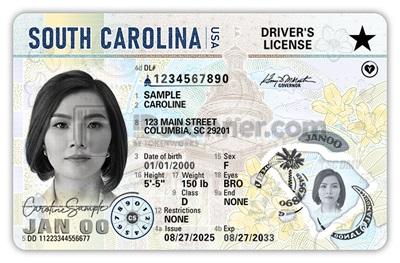
South Carolina requires certain alcohol-licensed businesses to use a forensic digital identification system approved by the South Carolina Department of Revenue (SCDOR). This requirement applies to specific business types and operating hours.
Any licensee selling alcoholic beverages for on-premises consumption between 12:00 a.m. and 4:00 a.m. must use a forensic digital identification system to validate the ID of anyone attempting to enter the premises.
Collegiate sports venues that sell beer and wine must also use a forensic digital identification system, or other means acceptable to the SCDOR, to authenticate IDs at the point of sale.
South Carolina’s requirements go beyond basic age verification. The SCDOR requires approved systems to scan the barcode on an ID card and:
Systems that only validate that barcode data matches the printed information on the front of the ID do not meet state requirements.
This distinction is critical for compliance, liability protection, and insurance conversations.
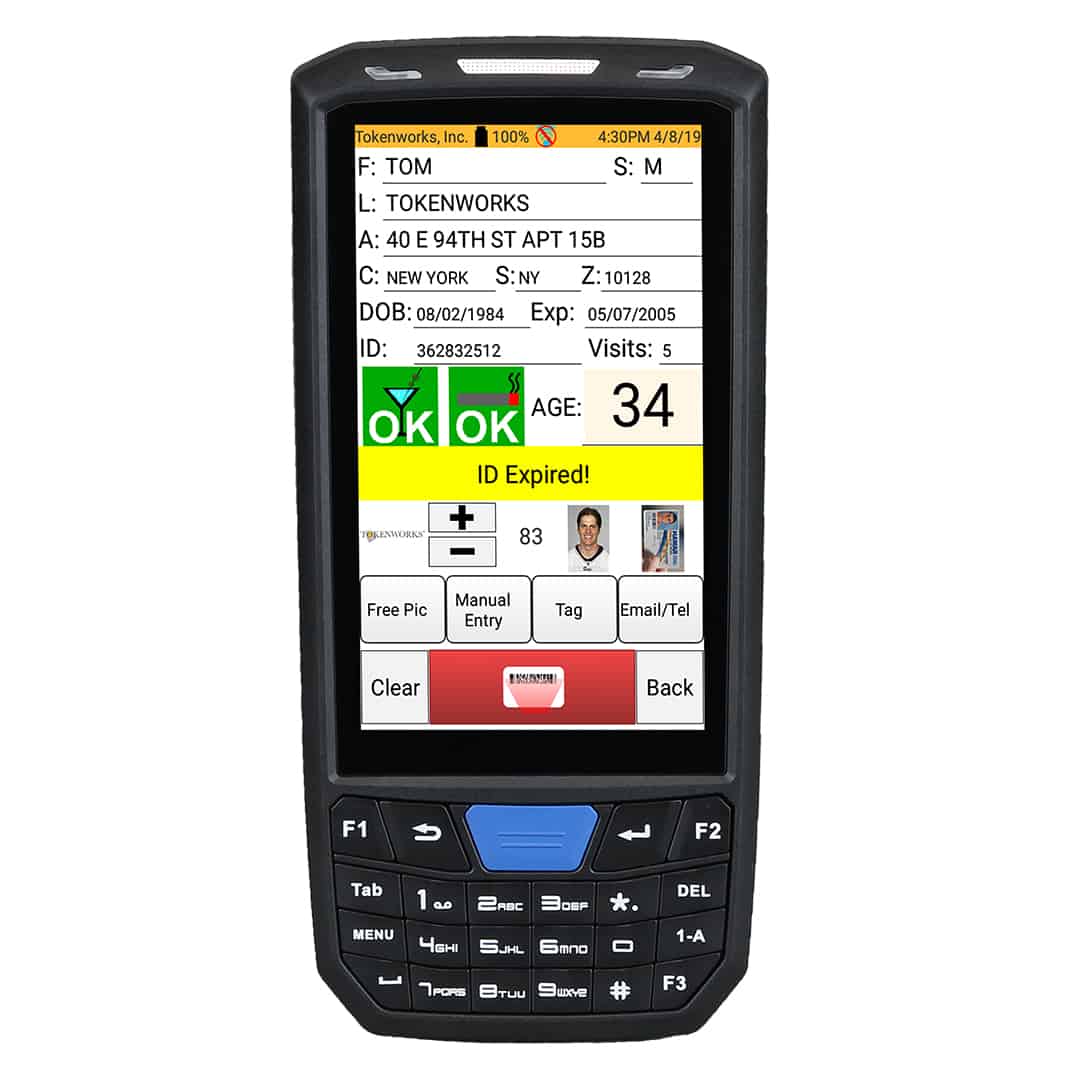
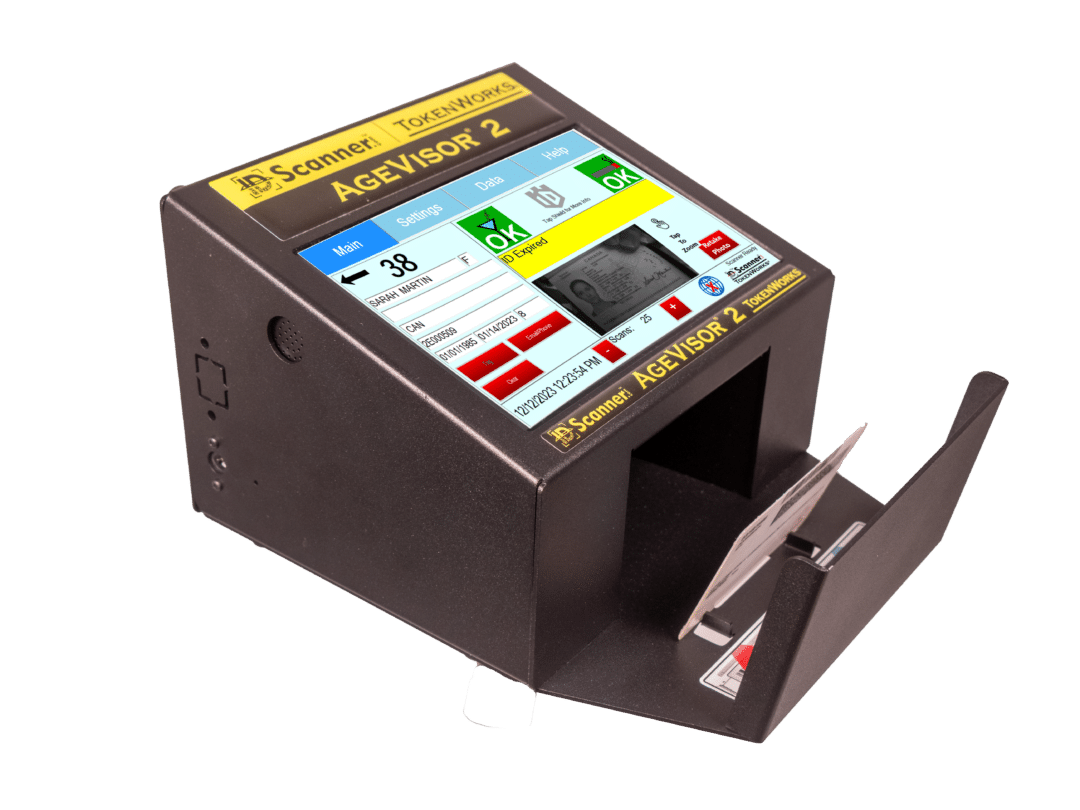
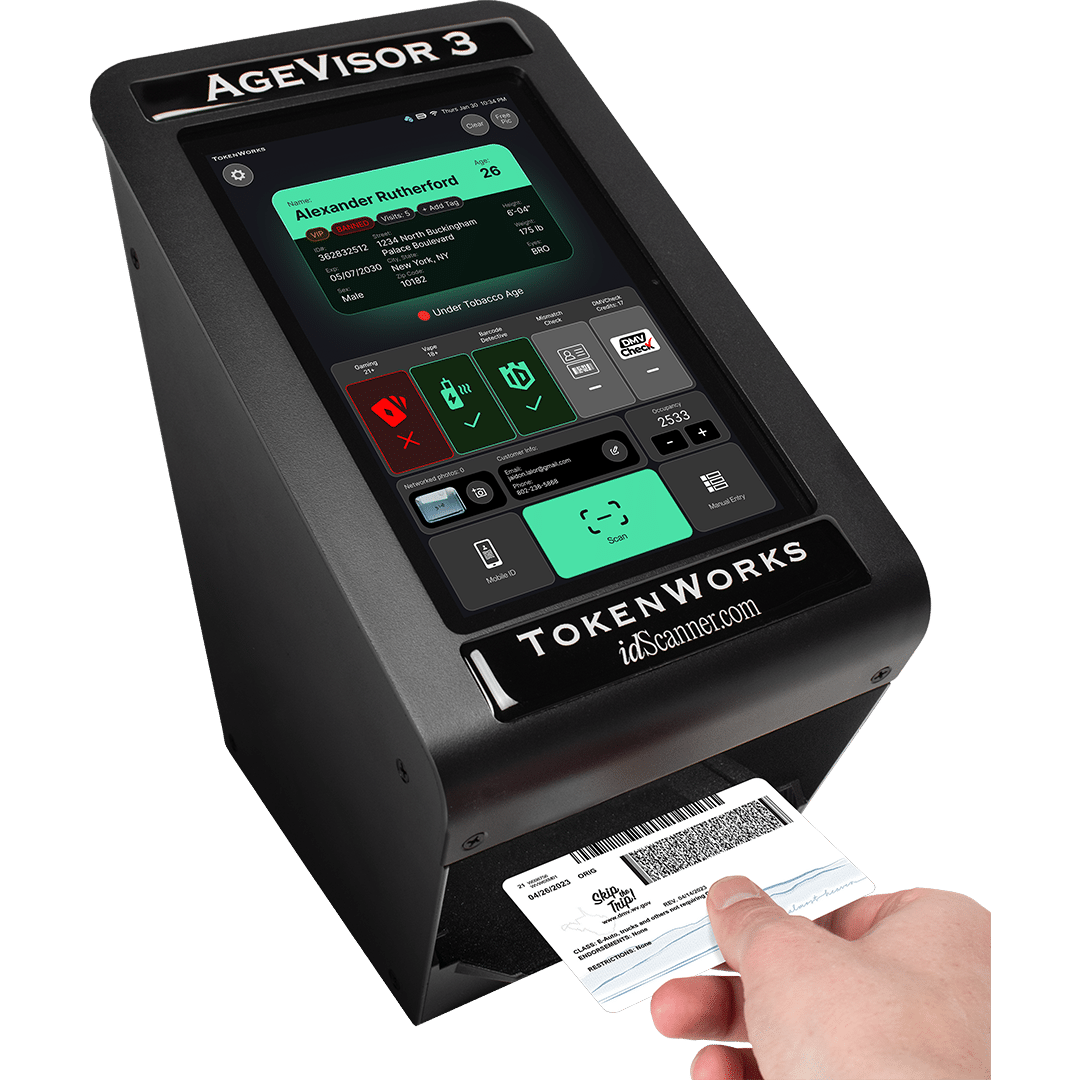
The South Carolina Department of Revenue has approved four forensic digital identification systems. Three of them are ours:
In May 2025, Governor McMaster signed Act No. 42 into law, fundamentally changing how liability is assigned in alcohol-related incidents. The law took effect January 1, 2026, and applies to causes of action arising after that date.
Before Act No. 42, alcohol-serving businesses could be held responsible for the full amount of damages in alcohol-related accidents, even when a drunk driver was primarily at fault. Under the new law, if both your business and the intoxicated person are found liable, your business’s joint and several liability is capped at 50% of the plaintiff’s actual damages.
You’re still on the hook for overserving, but you won’t be paying the entire bill.
Act No. 42 changed how courts evaluate your risk mitigation practices. Businesses that demonstrate compliance through measures like forensic ID scanning, server training, and responsible service policies are in a stronger legal position if an incident occurs.
Any business open after 5:00 p.m. to sell alcohol for on-premises consumption must maintain a liquor liability insurance policy with an annual aggregate limit of at least $1 million, unless the business qualifies for risk mitigation reductions.
The per occurrence coverage must be at least 50% of the total aggregate limit.
Act No. 42 introduced a risk mitigation framework that allows qualifying businesses to reduce their required insurance coverage. Each factor met reduces the coverage requirement:
These reductions are cumulative. However, permanent licensees cannot drop below $300,000 in annual aggregate coverage, and special event licensees cannot drop below $150,000.
For many businesses, especially bars, nightclubs, and late-night restaurants, the insurance savings alone make forensic ID scanning and server training a smart investment. If your venue operates after midnight, forensic ID scanning is already required by law. If you close by midnight, implementing an approved system still qualifies you for a $100,000 reduction in your coverage requirement.
Collegiate sports venues that sell beer and wine face additional requirements under Act No. 42.
Act No. 42 established mandatory alcohol server training for South Carolina. The requirement applies to any individual who serves alcohol for on-premises consumption at least 10 hours per week, including managers who oversee alcohol service.
Approved server training programs are listed at dor.sc.gov/abl-server-training.
Whether you operate a bar, restaurant, nightclub, hotel, event venue, or liquor store, these laws affect your daily operations.
Any business selling alcohol for on-premises consumption between 12:00 a.m. and 4:00 a.m. must use an SCDOR-approved forensic digital identification system to validate IDs at the door. This is not optional.
Even if your operating hours don’t trigger the scanning mandate, using an approved forensic ID scanner qualifies your business for a $100,000 reduction in your required liquor liability insurance coverage. Combined with server training and other mitigation factors, the savings add up quickly.
All employees who serve alcohol at least 10 hours per week must complete SCDOR-approved training by March 2, 2026, or within 30 days of hire. Certificates must be maintained on premises.
Under Act No. 42, your business’s liability in alcohol-related incidents is capped at 50% of actual damages when both you and the intoxicated person are found at fault. This is a significant change from the previous framework where businesses could bear full liability.
Not all ID scanners qualify under South Carolina’s forensic requirements. The SCDOR requires systems that analyze barcodes for formatting errors, embedded security coding, and database verification, not just age confirmation. Check that your system is on the SCDOR’s approved list.
NOTE: Three of the four SCDOR-approved forensic ID scanning systems are ours: AgeVisor 3, IDentiFake, and IDVisor Smart V2.
South Carolina requires businesses to check ID for tobacco and nicotine product sales but does not mandate electronic scanning.
While electronic scanning isn’t required for tobacco sales, many businesses use ID scanners to streamline verification across both alcohol and tobacco transactions.
Even if your operating hours don’t require forensic ID scanning, electronic verification remains one of the most effective ways to:
South Carolina’s risk mitigation framework gives businesses a direct financial incentive to implement approved scanning systems. And when your team is checking IDs during high-volume service, efficiency and accuracy become critical.
South Carolina imposes penalties on businesses that violate alcohol sales laws, and the consequences escalate quickly.
Act No. 42 (H.3430) is South Carolina’s 2025 tort reform and liquor liability law. It caps a licensee’s joint and several liability at 50% of actual damages in alcohol-related incidents, establishes mandatory server training, creates a liquor liability risk mitigation framework, and sets new requirements for forensic ID scanning at late-night venues and collegiate sports venues. The law was signed by the Governor on May 12, 2025, and took effect January 1, 2026.
No. Forensic ID scanning is required for businesses selling alcohol for on-premises consumption between 12:00 a.m. and 4:00 a.m. and for collegiate sports venues selling beer and wine. However, any business can use an approved system to qualify for insurance mitigation reductions.
The SCDOR requires approved systems to scan the barcode and review barcode data against a DMV database to verify legal age. Systems must also analyze barcode data for formatting errors, misplaced information, and embedded security coding. Scanners that only confirm the barcode matches the front of the card do not qualify.
Four systems have been approved: Tokenworks AgeVisor 3, Tokenworks IDentiFake, Tokenworks IDVisor Smart V2, and Intellicheck Identity Verification. Three of the four approved systems are ours.
Depending on your business type and compliance measures, you can reduce your required $1 million annual aggregate by $100,000 to $500,000 per qualifying factor. Reductions are cumulative, but permanent licensees must maintain at least $300,000 in coverage.
All employees serving alcohol for on-premises consumption at least 10 hours per week must complete SCDOR-approved training by March 2, 2026, or within 30 days of employment. Training certificates are valid for three years.
South Carolina does not currently have a blanket 100% ID-check requirement like some states. However, failure to check ID before selling to an underage person is considered prima facie evidence of a violation. Best practice is to check every customer’s ID.
SC Code §61-2-145 requires forensic ID scanning for any business selling alcohol for on-premises consumption between 12:00 a.m. and 4:00 a.m. SC Code §61-4-523 specifically governs collegiate sports venues, requiring forensic ID scanning at the point of sale plus additional restrictions on where and to whom beer and wine can be sold. Both laws remain in effect.
Yes. The mitigation factors are cumulative. For example, a business that stops serving by midnight ($250K reduction), completes server training ($100K), and keeps alcohol under 40% of sales ($100K) could reduce their required coverage from $1 million to $550,000, provided they don’t drop below the $300,000 minimum.
Forensic ID Scanning for Late-Night Venues (§61-2-145)
Forensic ID scanning is required for businesses selling alcohol for on-premises consumption between 12:00 am – 4:00 am.
Status: Active
Effective: January 1, 2026
Tort Reform and Liability Cap (Act No. 42 / H.3430)
Liability for alcohol-serving businesses is capped at 50% of actual damages in qualifying incidents.
Status: Active
Effective: January 1, 2026
Liquor Liability Risk Mitigation (§61-2-145(E))
Qualifying businesses can reduce their required insurance coverage through compliance measures including forensic ID scanning and server training.
Status: Active
Effective: January 1, 2026
Collegiate Sports Venue Requirements (§61-4-523)
Collegiate sports venues selling beer and wine must use forensic ID scanning and meet additional compliance standards.
Status: Active
Effective: May 12, 2025
Alcohol Server Training (Chapter 3, Title 61)
Mandatory server training for all employees serving alcohol at least 10 hours per week.
Status: Active
Effective: March 2, 2026
Important Notes: The SCDOR is the authority on which forensic digital identification systems are approved. Businesses required to use these systems should confirm their scanner is on the approved list. To submit a system for review, contact the SCDOR at ABL@dor.sc.gov.
IDscanner.com by TokenWorks is not a legal organization, nor should anything on this page constitute legal guidance. It is meant to be a list of resources and helpful links. Please consult your attorney before making any decisions related to scanning IDs in your state.